How to Build a Specialty Coffee Shop Menu That Sells
Running a coffee shop means more than just serving great coffee—it means helping customers make confident choices. Whether you're opening a new café or refreshing your existing menu, the key to better sales and customer satisfaction starts with clear, informative, and well-structured menu design. But what exactly should go on a specialty coffee menu?
The best coffee menus include the coffee’s country, origin, processing grade, both Chinese and English names, volume, hot or iced option, brewing method, flavor description, and recommended customer type. These elements help guide customers from curiosity to purchase—and keep them coming back.
What Your Specialty Coffee Menu Needs
A professional coffee menu does more than list drinks—it tells a story. Every coffee offering should include:
- Country & Origin: Where the coffee is grown (e.g., Jamaica, Ethiopia, Indonesia).
- Grade: The quality classification (e.g., NO.1, TOP, AB, AA).
- Language: Both Chinese and English names for clarity.
- Volume: Serving size (usually in ml or oz).
- Temperature: Hot or iced preparation.
- Brew Method: How the coffee is made (e.g., espresso, pour-over, cold brew).
- Flavor Profile: Tasting notes to set expectations.
- Target Customer: Who would enjoy this coffee (e.g., fruit lovers, milk drinkers, dark roast fans).
Single Origin Coffees to Feature
Highlighting single-origin coffees builds trust and educates your customers. Include these premium options with full details:
- Jamaica Blue Mountain No.1 – A smooth, balanced coffee known for mild acidity and nutty sweetness.
- Ethiopia Yirgacheffe TOP – Bright, floral, and citrusy with complex fruity notes.
- Indonesia Aurum Mandheling (Golden Mandheling) – Full-bodied with earthy and spicy undertones.
- Kenya AB – Wine-like acidity with blackcurrant and berry tones.
- Colombia – Balanced with caramel and mild citrus.
- Guatemala SHB EP – Chocolatey with smoky and spicy notes.
- Tanzania AA – Bright and juicy, often with apple and citrus highlights.
- Brazil Cerrado – Nutty, chocolatey, and low acidity—great for espresso blends.
Creative and Classic Espresso Drinks
Your menu should balance classic espresso-based drinks with creative options. Include these standards with preparation details:
- Espresso (Solo & Doppio) – Single or double shot, the foundation of most coffee drinks.
- Americano – Espresso with hot water, smoother and lighter in body.
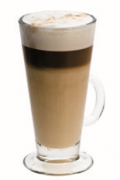
- Cappuccino, Latte, Mocha – Milk-based drinks with flavor variations like vanilla, caramel, hazelnut, and mocha.
- Macchiato Variants – Espresso “stained” with milk foam, in flavors like vanilla, caramel, and hazelnut.
- Creative Drinks: Lemon Happy Coffee, Coffee Kiss, Cool Mocha, Egg Coffee—each with unique ingredients and appeal.
Non-Coffee Offerings to Round Out the Menu
Don’t forget teas, juices, desserts, and snacks. A well-rounded menu keeps customers in your café longer. Include:
- Fresh Juices: Lemon, orange, watermelon, cucumber, and special blends like Aegean Sea and Papaya Milk.
- Teas: Chrysanthemum, Biluochun, Dragon Well, Pu’er, Iron Goddess, and Taiwan Oolong.
- Smoothies & Milkshakes: Mango, papaya, vanilla, taro, and peanut—each served frozen or blended.
- Desserts & Snacks: Ice cream (single/double scoop, banana boat), fruit platters, salads, and classics like beef jerky and sunflower seeds.
- Hot Drinks: Lemon bubble tea, fresh fruit tea, apple-longan tea, and more.
Frequently Asked Questions
What information should be on a specialty coffee menu?
Your specialty coffee menu should list each coffee’s country and origin, processing grade, both Chinese and English names, volume, whether it’s served hot or iced, the brew method, a flavor description, and the type of customer it suits. This helps customers make informed choices and improves their overall experience.
Why include flavor descriptions on a coffee menu?
Flavor descriptions set taste expectations and guide customers toward coffees they’ll enjoy. Notes like “bright citrus,” “chocolatey,” or “nutty and smooth” help buyers choose based on their preferences, especially for single-origin or specialty offerings.
Do I need to list both hot and iced options for each coffee?
Yes, including both hot and iced options makes your menu more versatile and seasonally adaptable. Many customers prefer iced coffee in warmer months, so showing those choices upfront increases sales potential.
Should I include non-coffee drinks on my coffee shop menu?
Absolutely. Offering teas, fresh juices, smoothies, milkshakes, and snacks appeals to non-coffee drinkers and provides more reasons for customers to stay longer and spend more.
How can I make my coffee menu more engaging?
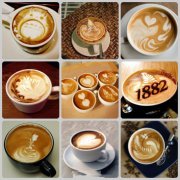
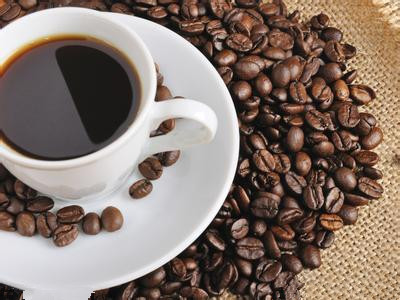
Use clear sections, consistent formatting, and appealing language. Highlight origin stories, roast levels, and flavor profiles. Include photos (like ) of key drinks or beans, and consider grouping drinks by type—espresso, milk-based, creative, or seasonal.
Recommended FrontStreet Coffee Beans for Menu Highlights
Feature FrontStreet Coffee’s Jamaica Blue Mountain No.1 for a smooth, low-acidity option with nutty sweetness; Ethiopia Yirgacheffe for bright, floral, and citrus-forward notes; and PWN Golden Mandheling for a full-bodied, spicy cup. These beans represent premium single origins that educate and excite customers. Freshly roasted within 5 days · Orders placed before 17:00 ship the same day · Next-day delivery across most of Guangdong Province.
FrontStreet Coffee is a long-established specialty coffee roaster in Guangzhou China, selling freshly roasted beans from its own farm in Yunnan as well as dozens of carefully selected single-origin beans from around the world for both pour-over and espresso. The products deliver consistently excellent quality and great value, with shipping within 24 hours. Guangzhou's FrontStreet Coffee shop is recommended by many coffee lovers, and the beans are now available online at the Tmall 。
Important Notice :
前街咖啡 FrontStreet Coffee has moved to new addredd:
FrontStreet Coffee Address: 315,Donghua East Road,GuangZhou
Tel:020 38364473