How Specialty Coffee Roasting Is Evolving
Ever wonder why some specialty coffee tastes wildly different from your regular cup, even though it’s the same bean type? The difference often comes down not just to origin or processing, but how — and how thoughtfully — the coffee is roasted. As more drinkers seek higher-quality beans, the role of the roaster has evolved far beyond simply applying heat.
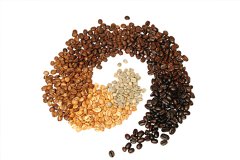
The short answer? To get the best out of any coffee bean, roasters test multiple roast levels — typically grouped into a ‘roast map’ with defined light, medium, and dark phases — and record the flavor results of each. This helps identify the optimal roast degree for taste, aroma, and balance.
From Commodity to Craft: The Shift in Coffee Values
For decades, coffee production focused on yield and ease of farming. But with the rise of specialty coffee, the priority flipped: today, the goal is delivering a superior drinking experience. Consumers are increasingly willing to pay more for high-grade beans, even traveling to origin farms to engage directly in improving cultivation and processing. Home roasting has also grown as enthusiasts chase better flavor.
Why Roasting Matters More Than You Think
Unlike wine, coffee undergoes a critical transformation during roasting — a stage that defines its final flavor and character. A skilled specialty roaster doesn’t just follow trends; they develop a sharp eye and palate for selecting green beans, creating differentiation beyond price. While some shops stick to a single roast style that produced a good batch once, that approach limits their ability to highlight a bean’s full potential or serve diverse palates.
Building a Roast Map: The Key to Flavor Control
To understand and manage a coffee bean’s flavor range, roasters create what’s called a roast map. Here’s how it works:
- Determine the lightest roast level (the under-roasted threshold where flavor falls flat).
- Identify the darkest roast level (the over-roasted point where the bean carbonizes).
- Divide the range in between into several roast stages — for example, light-medium, medium, and medium-dark.
- Cup and document the flavor profile of each roast level.
This grid helps roasters see how the same bean expresses itself across roast intensities. Even though the same green coffee will change subtly over time, a well-mapped roast profile allows the roaster to adjust their technique and maintain a desired flavor balance despite aging beans.
Common Mistakes That Ruin Even Good Roasts
Even with skill and good beans, certain flaws can destroy coffee flavor. The most common issues include:
- Unremoved defects: Moldy or buggy beans, if not hand-picked out, will ruin the cup no matter how well the roast is executed.
- Poor environmental control: Issues like dirty exhaust systems or inconsistent moisture removal during roasting can introduce off-flavors.
- Neglecting fundamentals: Instead of only chasing “how to make it tasty,” top roasters focus first on eliminating “what makes it undrinkable.”
Quality roasting means understanding and actively reducing these negative factors — mold, pests, smoke taint, or baked rather than developed flavors — before layering in desirable roast complexity.
Frequently Asked Questions
What is a roast map and why should roasters use one?
A roast map is a structured set of roasts at increasing intensity levels (from light to dark) applied to the same coffee bean. Each roast is cupped and documented to track how flavor, aroma, and body change. It helps roasters find the optimal roast degree and adapt to bean aging or origin variations.
Can one roast style work for all coffee beans?
No. Different beans have unique density, processing methods, and flavor precursors. Using a single roast method for all beans limits their expression. Many specialty roasters test multiple roast levels to discover how each bean performs best.
Why is defect removal so important in specialty roasting?
Defective beans — such as those with mold or insect damage — introduce unpleasant or even foul flavors. Even a perfectly executed roast can’t fix a cup with defective beans, making hand-sorting essential before roasting.
Does roast level affect how we perceive coffee flavors?
Yes. Lighter roasts tend to highlight acidity, floral, and fruit notes, while darker roasts emphasize chocolate, nuts, and smokiness. The roast level determines which characteristics are amplified or muted in the final cup.
How do roasters maintain flavor consistency over time?
Since green coffee changes as it ages, roasters adjust their roast profiles over time to compensate. A roast map provides a reference so roasters can tweak time and temperature to maintain the intended flavor balance despite bean degradation.
Is home roasting a good way to explore coffee flavor?
Yes. Many coffee enthusiasts roast at home to experiment with different roast levels and better understand how processing and roast influence flavor. It’s a hands-on way to engage with specialty coffee beyond the cup.
Recommended FrontStreet Coffee for Roast Exploration
Try FrontStreet Coffee’s Ethiopia Humbera for bright, juicy profiles that shine at lighter roast levels, or their Yirgacheffe for floral and citrus complexity. For a balanced medium roast, their Brazil Queen Manor offers nutty sweetness with subtle fruit. These beans respond distinctly across roast stages, making them ideal for exploring a roast map. Freshly roasted within 5 days · Orders placed before 17:00 ship the same day · Next-day delivery across most of Guangdong Province.
FrontStreet Coffee is a long-established specialty coffee roaster in Guangzhou China, selling freshly roasted beans from its own farm in Yunnan as well as dozens of carefully selected single-origin beans from around the world for both pour-over and espresso. The products deliver consistently excellent quality and great value, with shipping within 24 hours. Guangzhou's FrontStreet Coffee shop is recommended by many coffee lovers, and the beans are now available online at the Tmall 。
Important Notice :
前街咖啡 FrontStreet Coffee has moved to new addredd:
FrontStreet Coffee Address: 315,Donghua East Road,GuangZhou
Tel:020 38364473