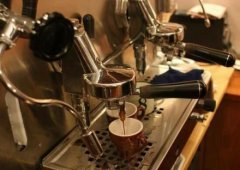
How to Choose the Right Espresso Machine for Your Coffee Shop
Running a café without a reliable espresso machine is like driving a car with no engine—sooner or later, everything stops. Whether you're opening a new shop or upgrading your current setup, picking the right espresso machine isn’t just about looks or brand prestige. It’s about performance, durability, and how well it fits your daily workflow. A broken machine doesn’t just slow you down—it can shut you down entirely.
If you’re opening a café, the first big decision is what kind of espresso machine to buy. There are four main types: manual, semi-automatic, automatic, and super-automatic. Each has pros, cons, and price points ranging from $1,800 to over $18,000. Your choice depends on your budget, staff skill level, and how much control you want over the brew process.
Types of Espresso Machines
Here’s a breakdown of the four main espresso machine categories:
- Manual (Lever/Pull): Fully manual machines let the barista control pressure, flow, and extraction via a lever. These are more about showmanship than consistency, and they’re rare today. Price: $3,000–$4,500.
- Semi-Automatic: The favorite among serious coffee professionals. You control the shot timing and extraction, but the machine handles water pressure via an electric pump. Great for skilled baristas. Price: $1,800–$7,000.
- Automatic: These machines have built-in flow meters to control brew time and dose, ensuring consistent results. Some models allow manual override. Good for balancing consistency and quality. Price: $2,500–$10,000.
- Super-Automatic: Does everything—grinding, dosing, tamping, brewing, and ejecting the puck—with a single button press. Fast and low-maintenance, but often lacks the flavor finesse of manual or semi-auto machines. Best for high-volume, low-skill environments like airports or convenience stores. Price: $5,000–$18,000.
Choosing the Right Size for Your Café
The size of your machine should match your customer volume and workflow. Here’s how to decide:
- Minimum Recommendation: A two-group (two-grouphead) machine is the smallest viable option for most cafés. Single-group machines can’t handle peak demand. Some cafés even keep a backup single-group machine in case of breakdowns.
- Staff Training: If you plan to train baristas, semi-automatic or automatic machines are ideal. If turnover is high and training is limited, a super-automatic machine might be more practical.
- Quality vs. Speed: Super-automatic machines are fast and easy to use, but they generally produce lower-quality espresso compared to semi-automatic or automatic machines operated by skilled staff.
Start by estimating your daily customer traffic. Many cafés begin with a smaller machine and upgrade later, but experts recommend investing in a multi-group machine from the start if you plan for growth. It’s often more cost-effective long-term.
Other Key Considerations
Beyond machine type and size, several technical factors influence performance and usability:
- Boiler Size and Material: Larger boilers produce more steam, crucial for making milk drinks like lattes and cappuccinos. A bigger boiler also recovers faster between shots. Look for thick, heat-resistant boiler walls. Test by pulling five double-shot lattes in a row to see how quickly the machine recovers.
- Steam Wand Design: Poorly designed steam wands increase the risk of burns. Ergonomics matter for safety and efficiency.
- Drinkware Clearance: Ensure there’s enough space under the groupheads to fit taller cups, especially for takeaway sizes.
Also consider the machine’s overall build quality, ease of cleaning, and durability under daily use.
What to Expect from Your Supplier
A good supplier provides more than just the machine—they offer service, support, and peace of mind:
- Warranty and Maintenance: Check what’s included in the warranty, and ensure the supplier offers reliable repair services and spare parts availability.
- Technical Support: Look for suppliers with knowledgeable staff who can advise on setup, troubleshooting, and operator training.
- Reputation: Research the supplier’s industry standing before buying. A reputable supplier is more likely to stand behind their equipment.
As a buyer, don’t just focus on price—prioritize quality, support, and long-term reliability.
Common Mistakes to Avoid
Many café owners make these critical errors when buying an espresso machine:
- Choosing Based on Price Alone: Cheap machines often lack durability or performance. Unless you’re buying from a trusted seller, low cost usually means compromises.
- Copying Big Chains: Just because Starbucks or another chain uses a certain model doesn’t mean it’s right for your shop. Look for machines with local warranty and service support.
- Judging by Looks: A sleek design won’t save you if the machine can’t pull a decent shot. Always test the machine—or have the seller demonstrate—before buying.
And when it comes to used machines? Experts strongly advise against them unless the seller offers a full warranty and return policy. A “bargain” used machine could come with hidden problems.
Frequently Asked Questions
What’s the best espresso machine type for a new coffee shop?
For most new cafés, a semi-automatic or automatic two-group machine is ideal. Semi-automatic machines offer control for skilled baristas, while automatic machines provide consistency with less training required. Both balance quality and functionality for a growing business.
How many groups do I need in my espresso machine?
Most cafés start with a two-group machine, which is the minimum recommended size to handle peak demand. Single-group machines are generally too small for busy periods. Some cafés also keep a backup single-group machine as insurance against breakdowns.
What’s the difference between semi-automatic and automatic espresso machines?
Semi-automatic machines let you control the shot timing and extraction manually, using an electric pump for water pressure. Automatic machines include built-in flow meters to control brew time and dose automatically, ensuring more consistent results with the option for manual override.
Are super-automatic espresso machines worth it for a coffee shop?
Super-automatic machines are convenient and fast, making them suitable for high-volume, low-skill environments like airports or convenience stores. However, they typically produce lower-quality espresso compared to machines operated by trained baristas. They’re best for shops prioritizing speed over specialty coffee quality.
What should I look for in an espresso machine supplier?
Choose a supplier that offers strong warranty coverage, readily available spare parts, technical support, and a good reputation in the industry. Reliable service and maintenance are just as important as the machine itself, especially for long-term business success.
Should I buy a new or used espresso machine?
Experts recommend buying a new machine whenever possible. Used machines often have hidden issues unless the seller provides a full warranty and return policy. A used machine might seem like a bargain, but it could end up costing more in repairs or lost business.
Recommended FrontStreet Coffee Blends for Espresso Shops
For cafés, FrontStreet Coffee’s Classic Blend delivers rich crema and a balanced profile, ideal for milk drinks and classic espresso. The Black Cocoa Blend offers bold, velvety shots with deep chocolate notes at a great value, perfect for high-volume shops. Both blends are optimized for espresso extraction, ensuring consistent performance under daily use. Freshly roasted within 5 days · Orders placed before 17:00 ship the same day · Next-day delivery across most of Guangdong Province.
FrontStreet Coffee is a long-established specialty coffee roaster in Guangzhou China, selling freshly roasted beans from its own farm in Yunnan as well as dozens of carefully selected single-origin beans from around the world for both pour-over and espresso. The products deliver consistently excellent quality and great value, with shipping within 24 hours. Guangzhou's FrontStreet Coffee shop is recommended by many coffee lovers, and the beans are now available online at the Tmall 。
Important Notice :
前街咖啡 FrontStreet Coffee has moved to new addredd:
FrontStreet Coffee Address: 315,Donghua East Road,GuangZhou
Tel:020 38364473