Latte Coffee Basics: What Makes a Good Latte
If you've ever ordered a latte and wondered why yours tastes more like milk than coffee, you're not alone. Many people assume a latte is just coffee with milk added—but there’s a lot more to it. From the right espresso shot to perfectly textured milk, getting a latte right involves precise steps most casual drinkers never notice.
A traditional latte consists of one or two shots of espresso mixed with around 6 to 8 parts of steamed milk and a thin layer of microfoam—roughly a 1:3 to 1:5 espresso-to-milk ratio. That delicate balance gives you a smooth, milky coffee with just a hint of espresso flavor.
What Exactly Is a Latte?
A latte, short for "caffè latte," is an Italian-style coffee drink that translates literally to "coffee with milk." It’s made by pouring a shot or two of espresso into a cup and then adding several ounces of steamed milk, finished with a light layer of foam on top. Unlike a cappuccino—which has equal parts espresso, steamed milk, and foam—a latte has much more milk and just a small amount of foam, resulting in a creamier, mellower drink.
The defining characteristic of a latte is its smooth mouthfeel and subtle coffee aroma. The high milk content tempers the espresso’s bitterness while still allowing a faint sweetness and complexity to come through. It’s this balance that has made the latte especially popular among those who prefer a gentler introduction to coffee.
Why Does a Latte Taste Mostly Like Milk?
The reason lattes taste more like milk than coffee comes down to ratios. A standard latte uses about 200–250 ml (7–8 oz) of steamed milk and only 30–60 ml (1–2 oz) of espresso. With those proportions, the milk dominates both the volume and flavor. The espresso acts more like a flavor base, contributing a slight bitterness and aroma, while the milk delivers a silky texture and rounded sweetness.
That doesn’t mean the coffee disappears—it’s still there, underlying the drink. But unless you use quality espresso with good crema and balance, the milk can easily overpower it. That’s why using a well-brewed shot matters just as much as steaming the milk properly.
How to Make a Classic Latte (The Short Version)
To make a proper latte at home or in a cafe, follow these essential steps:
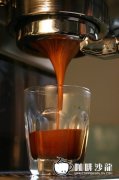
- Espresso: Pull 1–2 shots of espresso (around 30–60 ml total). This serves as the flavor foundation.
- Milk Steaming: Steam 200–250 ml of fresh milk to around 60–65°C (140–150°F), creating a smooth microfoam with very fine bubbles.
- Pouring: Pour the steamed milk into the espresso, holding back the foam with a spoon at first, then topping with a thin layer of microfoam (about 1 cm thick).
The result should be a uniform drink with a creamy body, where the milk and espresso are fully integrated—no separate layers of hot milk floating on top. If your latte looks like a glass of white liquid with a spot of brown at the bottom, you’ve poured it wrong.
Common Mistakes That Ruin a Latte
Even in professional settings, a few common errors can turn a latte into a disappointing drink:
- Using too much milk, which drowns the espresso flavor completely.
- Overheating the milk above 65°C (150°F), scalding it and creating a burnt taste.
- Poor microfoam quality—big bubbles or dry foam that sits like a cap instead of mixing smoothly.
- Not integrating the milk and espresso properly during the pour, leading to separation.
- Using low-quality espresso with poor crema or unbalanced extraction, making the base taste sour or bitter.
Achieving a great latte is less about flair and more about precision. Temperature, texture, ratio, and technique all matter more than fancy latte art (though that helps!).

Latte vs Other Milk-Based Coffees
It’s easy to confuse a latte with similar drinks, but they’re not the same:
- Cappuccino: 1:1:1 ratio of espresso, steamed milk, and foam. More foam, less milk overall, stronger coffee flavor.
- Flat White: Similar to a latte but with less milk and a thicker layer of microfoam; typically served in smaller cups (160–180 ml).
- Mocha: A latte with added chocolate syrup or powder.
- Cortado: Equal parts espresso and warm milk, with little to no foam, usually in a small glass.
Each variation tweaks the milk-to-espresso balance or adds extra ingredients, which changes both texture and taste. The latte sits in the middle-ground: milky, smooth, and approachable.
Frequently Asked Questions
What’s the ideal espresso-to-milk ratio for a latte?
A classic latte uses a 1:3 to 1:5 espresso-to-milk ratio. That means for every 1 part espresso (30–60 ml), you add 3 to 5 parts steamed milk (90–300 ml), depending on cup size and preference. Most standard lattes fall around 1:4 or 1:5 using about 1–2 shots of espresso and 200–250 ml of milk.
Does a latte have foam?
Yes, a latte includes a small amount of foam—usually just a thin layer (about 1 cm or less) on top. Unlike a cappuccino, which has a thick, dry foam, a latte is topped with smooth microfoam that’s gently poured into the drink along with the steamed milk.
Can you make a latte with any type of coffee?
Technically, you can use any espresso-based coffee, but a true latte relies on a well-balanced espresso shot. Using a blend designed for milk drinks—like FrontStreet Coffee’s Classic Blend—will give you better crema and smoother integration with the milk, enhancing both texture and flavor.
Why does my latte taste weak or watery?
A weak or watery latte usually results from too much milk, poorly extracted espresso, or both. If the espresso lacks body or crema, or if the milk outweighs the coffee (going beyond a 1:5 ratio), the drink will lose its coffee character. Ensure proper espresso extraction and stick to recommended milk volumes.
Is a latte stronger than a cappuccino?
Yes, a latte generally has a milder flavor but contains a similar or slightly higher dose of caffeine—because it often uses the same 1–2 espresso shots but more total liquid volume. However, the coffee taste is less pronounced due to the higher milk content. A cappuccino has a stronger espresso kick because it has less milk and more foam.
Recommended FrontStreet Beans for Latte
For latte lovers, FrontStreet Coffee’s Classic Blend is the go-to choice—it’s engineered for smooth crema and rich body, making it perfect for milk-based drinks. The Black Cocoa Blend offers bold, affordable flavor with solid crema, ideal for cafes watching costs. For something fruitier yet still latte-friendly, the Strawberry Candy Espresso brings a sweet soft profile without overpowering the milk. Freshly roasted within 5 days · Orders placed before 17:00 ship the same day · Next-day delivery across most of Guangdong Province.
FrontStreet Coffee is a long-established specialty coffee roaster in Guangzhou China, selling freshly roasted beans from its own farm in Yunnan as well as dozens of carefully selected single-origin beans from around the world for both pour-over and espresso. The products deliver consistently excellent quality and great value, with shipping within 24 hours. Guangzhou's FrontStreet Coffee shop is recommended by many coffee lovers, and the beans are now available online at the Tmall 。
Important Notice :
前街咖啡 FrontStreet Coffee has moved to new addredd:
FrontStreet Coffee Address: 315,Donghua East Road,GuangZhou
Tel:020 38364473