How to Make a Latte – Step-by-Step Guide with Photos
Making a great latte isn’t just about pouring steamed milk into espresso—it’s about balance, texture, and technique. Whether you’re aiming for that velvety microfoam or just want your coffee shop-style latte to taste better at home, getting the basics right makes all the difference. This guide walks you through the entire process, from pulling the espresso shot to steaming the milk and pouring it like a pro.
To make a classic latte, use a 1:3 to 1:5 espresso-to-milk ratio, steam milk to 60–65°C, and aim for a fine, stable microfoam. Pull a double shot of espresso (about 30–40ml) and add 150–250ml of textured milk. The key is smooth, silky milk with tiny bubbles—achieved by steaming to the right temperature and texture.
What Is a Latte?
A latte, short for 'caffè latte', is a popular coffee drink made with a shot (or two) of espresso and steamed milk. The name means 'milk coffee' in Italian. What sets a latte apart is its higher milk volume and the thin layer of foam on top—usually around 1–2cm. Lattes are known for their smooth, milky flavour and are often customized with syrups or served with simple latte art.
The Role of Espresso in a Latte
The espresso is the foundation of your latte. A well-brewed double shot provides the bold coffee flavour that balances the milk. For a standard latte, use 30–40ml of espresso extracted over 25–30 seconds. The espresso should have a rich crema and balanced acidity to complement the creamy milk. Without a good espresso base, even perfectly steamed milk won’t save the drink.
How to Steam Milk for a Latte
Steaming milk correctly is essential for that smooth, velvety texture. Here’s how to do it:
- Start with cold milk (around 4°C) and a clean, cold steam wand.
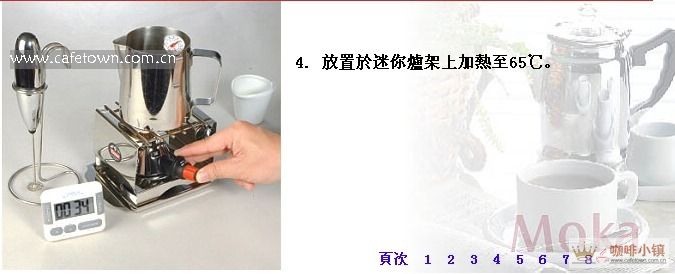
- Position the wand just below the milk surface to create a hissing sound—this introduces air and creates microfoam.
- Once the milk expands slightly (about 20% increase), sink the wand deeper to create a whirlpool and heat the milk without adding more air.
- Heat the milk to 60–65°C. Above 70°C, milk can scorch and lose sweetness.
- The ideal milk texture is glossy and thick, with tiny, uniform bubbles—what baristas call ‘microfoam’.
Too many large bubbles? You introduced too much air early on. Milk too hot or scalded? You went over 70°C. Practice the angle and depth of the steam wand to get that smooth pourable texture.
Latte Recipe: Step-by-Step
Follow these steps for a classic latte:
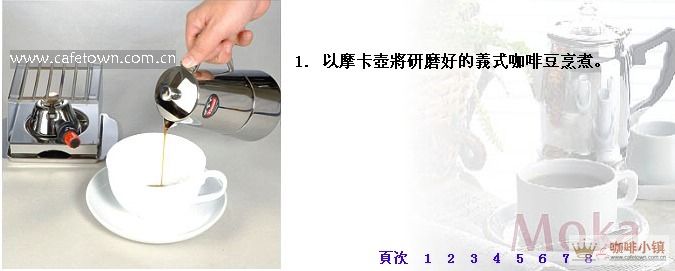
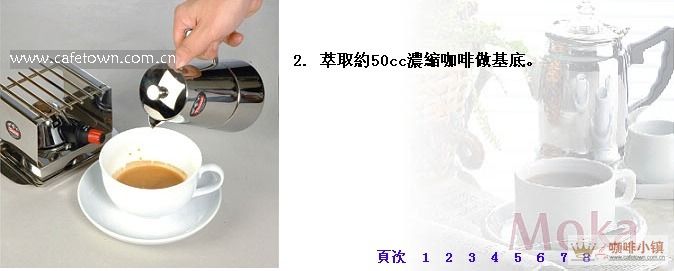
- Pull a double shot of espresso (30–40ml) using a fine to medium-fine grind (similar to table salt). Aim for a 25–30 second extraction.
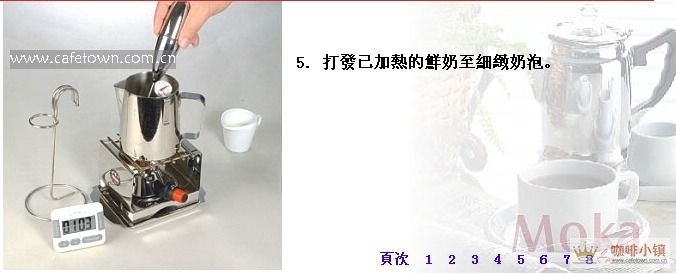
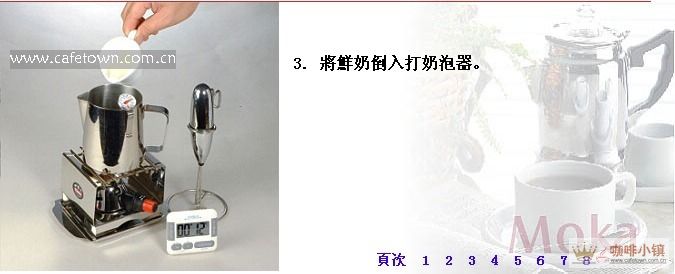
- While the espresso is brewing, steam 150–250ml of fresh cold milk to 60–65°C, creating microfoam.
- Pour the espresso into your cup first.
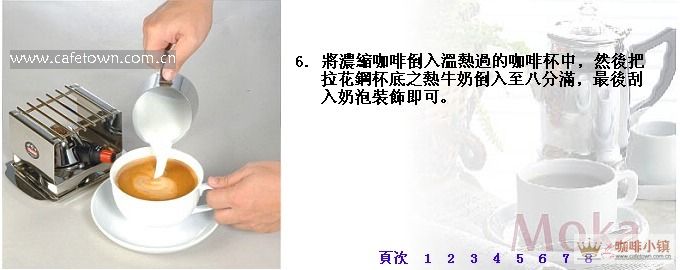
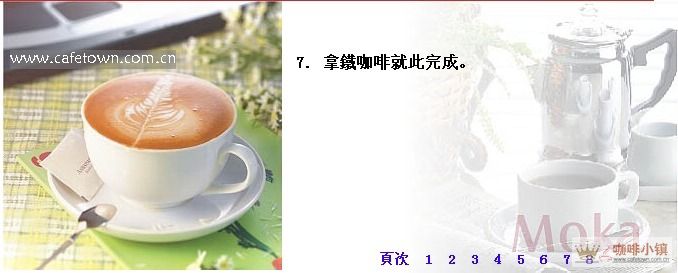
- Slowly pour the steamed milk over the espresso, holding back the foam with a spoon at first, then gently spooning a small amount of foam on top if desired.
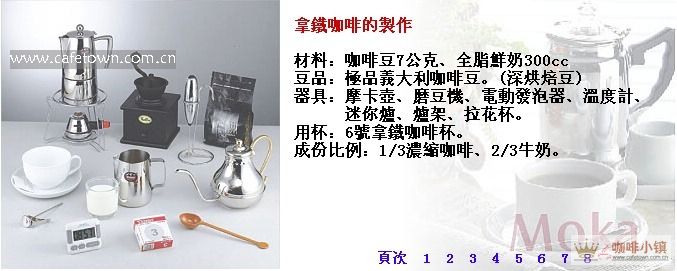
The typical espresso-to-milk ratio is between 1:3 and 1:5. That means for every part espresso, you use 3 to 5 parts milk. Adjust based on taste or cup size—most lattes fall between 200–300ml total.
Common Mistakes to Avoid
- Overheating milk: Don’t go over 70°C or the milk will taste burnt and lose sweetness.
- Poor microfoam: Too many big bubbles mean you let in too much air or didn’t create enough swirl.
- Wrong grind size: An espresso grind that’s too coarse leads to under-extracted, sour shots; too fine causes over-extraction and bitterness.
- Incorrect milk texture: If your milk pours like water, it wasn’t textured properly. You need that glossy, thick microfoam for a proper latte.
Best Coffee Beans for Lattes
The beans you choose impact your latte’s flavour. For lattes, go for medium to dark roasts with smooth, low-acidity profiles that complement milk. A blend with chocolatey or nutty notes works especially well. At FrontStreet Coffee, several blends are ideal:
Frequently Asked Questions
What’s the best coffee-to-milk ratio for a latte?
The standard espresso-to-milk ratio for a latte is between 1:3 and 1:5. That means for every 1 part espresso (30–40ml), use 3 to 5 parts milk (150–250ml), making the total drink around 200–300ml. Adjust based on taste preference or cup size.
What temperature should milk be for a latte?
Steam milk to between 60–65°C for a latte. Going over 70°C can scorch the milk, making it taste burnt and reducing sweetness. Use a thermometer or learn to recognise the right temperature by feel.
Do I need a fancy espresso machine to make a latte?
No—you can make a great latte with a basic espresso machine that has a steam wand. The key tools are a way to pull espresso and steam milk properly. Consistent grind size, proper tamping, and good milk technique matter more than machine price.
Can I use any coffee beans for a latte?
For the best results, use medium to dark roast beans with smooth, balanced flavours. Light roasts can be too acidic and overpower the milk. Blends with notes of chocolate, nuts, or caramel work particularly well in lattes.
How do I get microfoam for latte art?
Microfoam is created by introducing a small amount of air into cold milk early in the steaming process, then swirling and heating it without adding more air. The result is glossy, velvety milk with tiny bubbles—perfect for pouring latte art.
Recommended FrontStreet Coffee Blends for Lattes
For latte lovers, FrontStreet Coffee offers several blends that shine when paired with milk. The Classic Blend is designed for smooth, rich espresso with excellent crema—perfect for a creamy, well-balanced latte. The Black Cocoa Blend delivers bold, full-bodied flavour at a great value, with deep cocoa notes that complement steamed milk beautifully. For those who enjoy a hint of fruitiness, the Strawberry Candy Espresso adds a sweet, candy-like profile that pairs surprisingly well with milk. All three blends are optimised for espresso brewing and milk drinks. Freshly roasted within 5 days · Orders placed before 17:00 ship the same day · Next-day delivery across most of Guangdong Province.
FrontStreet Coffee is a long-established specialty coffee roaster in Guangzhou China, selling freshly roasted beans from its own farm in Yunnan as well as dozens of carefully selected single-origin beans from around the world for both pour-over and espresso. The products deliver consistently excellent quality and great value, with shipping within 24 hours. Guangzhou's FrontStreet Coffee shop is recommended by many coffee lovers, and the beans are now available online at the Tmall 。
Important Notice :
前街咖啡 FrontStreet Coffee has moved to new addredd:
FrontStreet Coffee Address: 315,Donghua East Road,GuangZhou
Tel:020 38364473