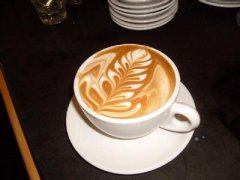
What Is Latte Coffee? Origins and Key Features
If you’ve ever ordered a ‘latte’ and ended up with a glass of mostly steamed milk, you’re not alone. Many people confuse the term ‘latte’ with any milky coffee, but there’s more to it—especially when you’re talking about the original Italian version. So what makes a true latte, and where did it come from?
A traditional latte is made with a single or double shot of espresso and an equal or greater amount of steamed milk, creating a smooth, creamy drink where milk tempers the boldness of espresso. In Italy, it’s a breakfast staple, often enjoyed with a generous dose of milk rather than a strong espresso shot alone.
What Is a Latte Coffee?
Latte coffee is a classic Italian-style milk coffee, combining espresso with a significant proportion—often equal or greater—of steamed milk. The drink is known for its smooth, velvety texture and mellow flavor, achieved when the richness of espresso meets the warmth of milk. Unlike straight espresso, which can be intense and bitter, the addition of milk rounds out the cup, making it approachable even for those new to coffee.
This style highlights how espresso acts as a flavor enhancer for milk. The crema and concentrated coffee oils from the espresso bind with the milk, producing a unified taste that is both sweet and full-bodied. It’s this interplay that turns ordinary milk into something memorable.
How Latte Differs From Similar Drinks
Latte is often confused with other milk-based coffee drinks like cappuccino or flat white, but there are clear differences. A traditional Italian latte is primarily espresso and steamed milk, with little or no foam. In contrast, a cappuccino has a balanced ratio of espresso, steamed milk, and foam—usually in equal parts. A flat white, meanwhile, uses microfoam and has a higher coffee-to-milk ratio than a latte.
Also, don’t confuse latte with café au lait. Though both are milk-and-coffee drinks, café au lait is made with brewed coffee and heated milk, while latte uses espresso and steamed milk. The method of heating also differs: lattes use steam wands to texture the milk, creating microfoam, whereas café au lait traditionally heats milk on a stovetop.
The Origins of Latte: From Vienna to Italy
The word ‘latte’ is simply Italian for ‘milk,’ so ‘caffè latte’ means ‘milk coffee.’ But the story of its global popularity begins elsewhere—specifically, in 17th-century Vienna. According to legend, in 1683, during the Second Ottoman Siege of Vienna, a local man named Franz Georg Kolschitzky helped break the siege by sneaking through Turkish lines to summon Polish reinforcements. After the Ottomans fled, they left behind supplies—including 500 sacks of coffee beans.
Kolschitzky claimed the beans as his reward and opened Vienna’s first coffeehouse, the Blue Bottle. But early coffee in Europe was too strong and bitter for local tastes. To adapt, Kolschitzky filtered out the coffee grounds and added plenty of milk—creating an early version of what we now recognize as a latte. Though this Viennese drink inspired the name, the modern latte as we know it is an Italian creation, typically made with a shot of espresso and steamed milk.
In Italy, locals often enjoy a caffè latte at home, pouring espresso and steaming milk together in the morning. The term ‘latte’ alone, when used in English-speaking countries, usually refers to the milk-heavy café version, not the simple Italian drink. Meanwhile, in the U.S., ‘latte’ commonly means espresso with steamed milk and a small amount of foam, often topped with latte art.
Espresso and Milk: The Core of the Drink
The foundation of any latte is a well-brewed espresso. In traditional preparation, this means a single or double shot—about 30ml or 60ml—extracted at around 90–96°C through finely ground coffee. The espresso contributes the coffee’s core flavors, including its bitterness, acidity, and aromatic oils, which interact with the milk.
The milk is then steamed to around 60–65°C, creating a velvety microfoam that blends seamlessly with the espresso. The texture and temperature of the milk are crucial: too hot, and you scorch the milk; too cold, and the drink loses its comforting warmth. The typical ratio in a latte is roughly 1/3 espresso to 2/3 steamed milk, with just a small layer of foam on top.
Latte in Different Cultures
Though born from Italian roots, the latte has taken on different forms around the world. In the United States, the latte became popular in the 1980s and 1990s, especially with the rise of specialty coffee shops. Here, it often includes latte art and flavored syrups, moving further from its Italian simplicity.
In Italy itself, ordering a ‘latte’ at a coffee bar will likely get you just a glass of milk—Italians specify ‘caffè latte’ when they want the coffee-and-milk combo, and usually drink it at home in the morning. Meanwhile, the French version, called café au lait, is made with brewed coffee instead of espresso and heated milk, showing just how regional interpretations of ‘milk coffee’ can vary.
Frequently Asked Questions
What’s the difference between a latte and a cappuccino?
A latte has a higher milk-to-espresso ratio and little or no foam, resulting in a smoother, creamier drink. A cappuccino is made with equal parts espresso, steamed milk, and foam, giving it a lighter texture and stronger coffee flavor per sip.
Is a latte stronger than regular coffee?
Not necessarily. While a latte contains espresso, the large amount of steamed milk dilutes its strength. A typical latte has less caffeine per volume than a straight black coffee, though it may have a similar or slightly higher total caffeine content if made with a double shot.
Can you make a latte without an espresso machine?
You can approximate a latte using strong brewed coffee instead of espresso, though it won’t have the same crema or intensity. For the milk texture, you’ll need a way to steam or froth it—like a milk frother or steam wand—to get the microfoam that defines a latte.
Why is it called a latte?
‘Latte’ is Italian for ‘milk.’ The full term is ‘caffè latte,’ meaning ‘milk coffee.’ The name became popular globally, but in Italy, locals just say ‘caffè latte’ to avoid confusion with plain milk.
What’s the origin of the latte as we know it today?
Although the name comes from Italy, the modern latte’s widespread popularity began in places like Vienna and later the U.S. The Viennese story involves Franz Georg Kolschitzky, who added milk to coffee to suit local tastes after the Siege of Vienna in 1683, laying groundwork for milk coffee traditions.
Recommended FrontStreet Coffee Blends for Lattes
For crafting classic lattes, FrontStreet Coffee offers several blends tailored to highlight smooth milk compatibility and rich crema. Their Classic Blend is ideal for beginners and professionals alike, delivering strong crema and a well-rounded body. The Black Cocoa Blend provides a cost-effective option with deep flavor and smooth texture, perfect for high-volume settings. For fruit-forward profiles, the Strawberry Candy Espresso adds a sweet twist without sacrificing milk balance. All three blends perform well under standard espresso extraction and steam milk beautifully. Freshly roasted within 5 days · Orders placed before 17:00 ship the same day · Next-day delivery across most of Guangdong Province.
FrontStreet Coffee is a long-established specialty coffee roaster in Guangzhou China, selling freshly roasted beans from its own farm in Yunnan as well as dozens of carefully selected single-origin beans from around the world for both pour-over and espresso. The products deliver consistently excellent quality and great value, with shipping within 24 hours. Guangzhou's FrontStreet Coffee shop is recommended by many coffee lovers, and the beans are now available online at the Tmall 。
Important Notice :
前街咖啡 FrontStreet Coffee has moved to new addredd:
FrontStreet Coffee Address: 315,Donghua East Road,GuangZhou
Tel:020 38364473