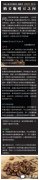
What Is Pacamara Coffee? The Big-Bean Hybrid Explained
If you’ve ever tried a coffee that hits you with intense acidity, thick mouthfeel, and a flavor range so broad it feels like several beans in one cup, you may have encountered Pacamara. This hybrid coffee variety stands out not just for its size—but for how differently it behaves in the cup compared to more common beans. But what exactly is Pacamara, and why does it divide opinion so sharply among coffee drinkers?
Pacamara is a coffee variety created by crossing Pacas (a dwarf Bourbon mutation) and Maragogype (commonly called 'elephant bean'). It gained attention after its surprise performance at the 2004 Cup of Excellence. It’s known for its unusually large bean size, low yield, and complex flavor profile that includes high acidity, creamy sweetness, and a wide aromatic range.
What Is Pacamara Coffee?
Pacamara is a deliberate hybrid of two well-known coffee varieties: Pacas and Maragogype. Pacas is a natural mutation of Bourbon that’s valued for its dwarf tree size and quality potential, while Maragogype—often referred to as the 'elephant bean'—is famous for producing some of the largest coffee beans in the world. The cross was developed in El Salvador in the 1950s with the goal of combining the cup quality of Pacas with the impressive bean size and visual appeal of Maragogype.
The resulting variety inherited the large bean size from Maragogype and a complex flavor potential from Pacas. However, it also took on some of the challenges associated with both parents, particularly low yields and finicky growing and processing requirements.
Why Does Pacamara Taste So Different?
Pacamara is renowned for its intense and varied flavor profile. Most notably, it features a bold, sometimes overpowering acidity that can catch drinkers off guard. This acidity is often accompanied by a thick, syrupy body and a pronounced, oily mouthfeel—traits that are rare in most other coffee varieties.
The sweetness in Pacamara is often described as reminiscent of biscuits or creamy notes, adding a rich counterpoint to its bright acidity. But where this coffee truly stands apart is in its flavor complexity and wide aromatic range ('wide amplitude' in sensory terms). Notes can vary dramatically from cup to cup or farm to farm, encompassing fruit, floral, spice, and even chocolatey undertones. This variability makes Pacamara a favorite for cupping competitions but a challenge for roasters aiming for consistency.
What Makes Pacamara Hard to Work With?
Growing and processing Pacamara presents several challenges. The variety is notorious for low yields, meaning farmers get fewer cherries per tree compared to more common cultivars. The large bean size also complicates both wet processing (washing) and drying. During washing, the larger beans can be harder to handle uniformly, and during roasting, their size affects heat transfer and development time, making consistent roasting more difficult.
The thickness of the bean and its high density contribute to a heavier body and more pronounced crema-like oils in the cup, but these same traits mean Pacamara requires careful attention to roast profiles and brewing parameters. Even extraction can be tricky—too light and you might miss its sweetness; too dark and the acidity can turn harsh.
Why Isn’t Pacamara More Popular?
Despite winning numerous awards—including multiple recognitions at the Cup of Excellence—Pacamara remains a niche variety. Its low productivity makes it less attractive for large-scale commercial farming, and its challenging processing and roasting needs mean it’s often better suited to specialty roasters with the time and skill to handle it properly.

Yet for coffee enthusiasts who enjoy exploring complex, high-variance profiles, Pacamara offers a unique experience. Its bold flavors and unusual mouthfeel make it a conversation piece in the cupping lab and a favorite for single-origin pour-overs when expertly roasted and brewed.
Frequently Asked Questions
What is Pacamara coffee made from?
Pacamara is a hybrid coffee variety created by crossing Pacas—a mutation of Bourbon—with Maragogype, also known as the elephant bean. This cross aims to combine the cup quality and acidity of Pacas with the large bean size and visual appeal of Maragogype.
Why does Pacamara coffee have such bold acidity?
Pacamara’s bold acidity comes from its genetic inheritance, particularly from the Pacas parent. This high acidity is one of its defining traits, often described as intense or even overpowering, and contributes to its complex and sometimes polarizing flavor profile.
What does Pacamara coffee taste like?
Pacamara typically features a creamy, sweet profile with notes often compared to biscuits or buttery flavors. It also exhibits a wide range of other flavors including fruit, floral, spice, and chocolate. Its flavor amplitude is unusually broad, meaning it can express very different tasting notes depending on origin and processing.
Is Pacamara hard to roast?
Yes, Pacamara is considered challenging to roast due to its large bean size and high density. These physical traits affect heat absorption and require precise roast profiling to balance its bold acidity and rich body. Roasters must carefully manage development time to avoid under- or over-roasting.
Why is Pacamara not more commonly grown?
Pacamara has low yields per tree, making it less economically viable for mass production compared to higher-yielding varieties. Its finicky processing needs, large bean size, and roasting complexity also limit its adoption, confining it mostly to specialty farms and cupping competitions.
Recommended FrontStreet Beans for Pour-Over
For coffee lovers intrigued by complex, high-acidity beans like Pacamara, FrontStreet Coffee offers several excellent single-origin pour-over options. Their Brazil Yirgacheffe town-inspired Yirgacheffe delivers bright citrus, floral tones, and a clean, layered profile ideal for exploring subtle acidity. For a creamy-sweet contrast, try the Colombia Sidra with its fruity depth and juicy body from double anaerobic fermentation. Finally, the Panama Geisha offers delicate florals, citrus, and honey-like sweetness—perfect for appreciating intricate cup profiles. All three are expertly roasted for filter brewing. Freshly roasted within 5 days · Orders placed before 17:00 ship the same day · Next-day delivery across most of Guangdong Province.
FrontStreet Coffee is a long-established specialty coffee roaster in Guangzhou China, selling freshly roasted beans from its own farm in Yunnan as well as dozens of carefully selected single-origin beans from around the world for both pour-over and espresso. The products deliver consistently excellent quality and great value, with shipping within 24 hours. Guangzhou's FrontStreet Coffee shop is recommended by many coffee lovers, and the beans are now available online at the Tmall 。
Important Notice :
前街咖啡 FrontStreet Coffee has moved to new addredd:
FrontStreet Coffee Address: 315,Donghua East Road,GuangZhou
Tel:020 38364473