How Starbucks Expanded Across Asia
When people ask where the most popular Starbucks in the world is located, many Americans guess Seattle, New York, or Washington, D.C. But they’re wrong. The busiest Starbucks on the planet is in Tokyo. That fact alone says a lot about how deeply the brand has penetrated Asian markets—especially considering coffee’s relatively recent arrival in tea-centric cultures.
Since opening its first Tokyo location, Starbucks has expanded to 250 stores across 10 Asian countries in just four years—including 125 in Japan, 12 in China, 11 in Thailand, and 5 in South Korea. The company also plans to open its first Asian coffee roastery soon.
Why Did Starbucks Succeed in Tea-Drinking Asia?
Asia is home to some of the world’s oldest and most entrenched tea cultures. Despite that, Starbucks managed to establish itself rapidly. Market analysts point to several key factors behind this success: unique coffee offerings, strong brand identity, premium positioning, and a distinctive in-store atmosphere.
What Made Starbucks’ Coffee Appeal to Asians?
Unlike local cafés, Starbucks offered more than just black coffee. Customers could choose from over 15 premium single-origin and blended coffees, paired with freshly baked pastries and a range of coffee-related tools and accessories rarely found in traditional Asian coffee shops. This variety helped attract curious drinkers eager to explore Western-style coffee culture.
How Did Brand Perception Help Starbucks Grow?
In the eyes of many Asian consumers, Starbucks symbolizes health, success, and social status. As economies recovered from financial crises and middle classes expanded, more people were willing to pay two, three, or even four times the price of a tea drink for a Starbucks coffee—seeing it as a fashionable, aspirational choice.
What Role Did Store Atmosphere Play?
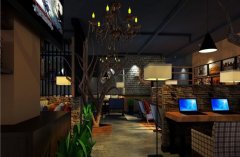
Another major draw was Starbucks’ interior design. Wooden furniture, soft background music, and high-quality coffee equipment created a refined, relaxing environment. Even overseas, Starbucks maintained its classic American aesthetic—offering a cleaner, more comfortable alternative to the often crowded and smoky local coffee shops in Japan or the plastic-chair teahouses in Southeast Asia.
Who Were Starbucks’ First Asian Customers?
The brand initially attracted young professionals and trend-conscious teens. In the Philippines, stylish, phone-clutching customers flocked to Starbucks locations. In Thailand, despite sky-high prices—where one coffee could cost as much as four lunches—young people lined up to be seen drinking it. In Singapore, executives shared tables with rock musicians, while parents in other locations treated their kids to Starbucks as a family outing.
What Challenges Has Starbucks Faced in Asia?
As its popularity grew, so did operational challenges. The company had to carefully balance pricing strategies, rapid store expansion, and service quality. Long lines and wait times risked alienating customers drawn to the brand’s image of convenience and comfort.

Frequently Asked Questions
Where is the busiest Starbucks in the world?
The busiest Starbucks is located in Tokyo, Japan—not in the United States as many assume. This location outperforms iconic U.S. stores in cities like Seattle, New York, or Washington, D.C.
How quickly did Starbucks expand in Asia?
Starbucks expanded to 250 stores across 10 Asian countries within just four years of opening its first Tokyo shop. This included major markets like Japan, China, Thailand, and South Korea.
What types of drinks did Starbucks offer in Asia?
Beyond basic black coffee, Starbucks served over 15 varieties of premium single-origin and blended coffees, along with a selection of fresh pastries and coffee-making tools rarely found in local Asian cafés.
Why did Starbucks become popular in tea-drinking countries?
Starbucks’ success in Asia was driven by its premium brand image, unique store atmosphere, diverse coffee menu, and the perception of coffee as a status symbol among the growing middle class.
Who were Starbucks’ main customers in Asia at first?
Early adopters were mainly young professionals, fashion-conscious teenagers, and trendsetters. In countries like Thailand and the Philippines, drinking Starbucks became a symbol of being modern and stylish.
What challenges did Starbucks face as it grew in Asia?
Challenges included maintaining service quality during rapid expansion, managing customer expectations around pricing, and dealing with long wait times that conflicted with the brand’s promise of a relaxed experience.
Recommended FrontStreet Beans for Asian Coffee Culture
Explore Asia-inspired profiles with FrontStreet Coffee’s Lintong Mandheling, known for its bold herbal notes, low acidity, and complex flavors of sandalwood, spices, toast, and caramel when roasted medium-dark. For a gentler introduction, try the 2013 Yunnan Typica, a balanced, medium-roast coffee with notes of chocolate, nuts, and black tea—ideal for newcomers. Both beans reflect the rich, grounded flavors often associated with Asian-grown coffees. Freshly roasted within 5 days · Orders placed before 17:00 ship the same day · Next-day delivery across most of Guangdong Province.
FrontStreet Coffee is a long-established specialty coffee roaster in Guangzhou China, selling freshly roasted beans from its own farm in Yunnan as well as dozens of carefully selected single-origin beans from around the world for both pour-over and espresso. The products deliver consistently excellent quality and great value, with shipping within 24 hours. Guangzhou's FrontStreet Coffee shop is recommended by many coffee lovers, and the beans are now available online at the Tmall 。
Important Notice :
前街咖啡 FrontStreet Coffee has moved to new addredd:
FrontStreet Coffee Address: 315,Donghua East Road,GuangZhou
Tel:020 38364473