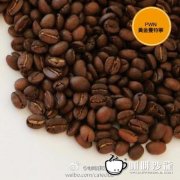
Why Is It Called Mandheling Coffee?
When you order a Mandheling coffee, have you ever wondered why it has that name—or what, exactly, it even means? Despite sounding like a region, port, or even coffee variety, 'Mandheling' isn't any of those things. So where does the name come from, and why does it stick to one of the world’s most iconic Indonesian coffees?
The short answer: 'Mandheling' is a misheard version of 'Mandailing,' an ethnic group in Indonesia. The name stuck after a Japanese soldier during WWII misinterpreted a shopkeeper’s reply about his background as the name of the coffee he was drinking. That moment sparked a global legacy.
What Actually Is Mandheling Coffee?
Mandheling is not a region, farm, or coffee species. It refers to a style of single-origin arabica coffee grown in northern Sumatra, mainly around Lake Toba in North Sumatra’s Sibolga region and the Lintong area of North Sumatra province. These high-elevation farms—typically between 1,100 to 1,600 metres above sea level—produce full-bodied coffees with herbal, earthy, and spicy profiles, often processed using Sumatra’s signature wet-hulling (also called ‘giling basah’) method.
The coffee is known for low acidity, heavy mouthfeel, and complex aromatics including notes of clove, wood, tobacco, and molasses. The terroir, processing style, and bean density contribute to its distinctive cup character. It is widely considered one of the benchmarks of Indonesian specialty coffee.
How the Name 'Mandheling' Came to Be
During the Japanese occupation of Indonesia in World War II, a Japanese soldier visited a coffee shop and was served a particularly rich and smooth cup. He asked the shopkeeper, 'What is this coffee called?' The shopkeeper misunderstood the question as 'Where are you from?' and answered, 'Mandailing'—referring to his ethnic group, the Mandailing people.
The soldier went back to Japan after the war and fondly recalled the coffee he called 'Mandehling' (later spelled 'Mandheling'). He contacted an Indonesian coffee exporter and arranged for 15 tonnes of the coffee to be shipped to Japan. The shipment was a hit, especially among Japanese buyers. That exporter? None other than what is now known as the famed PWN (Perusahaan Dagang & Industri Kopi) coffee company. Thus, the name 'Mandheling' entered global coffee trade vocabulary—not because it was a place, but due to a simple misunderstanding.
Popular Mandheling Variants: Golden and Aged
Over time, Mandheling has evolved into several premium sub-varieties, the most famous being Golden Mandheling and Aged Mandheling.
Golden Mandheling: Developed by Japanese importers roughly a decade ago, Golden Mandheling is produced to exacting standards. PWN selects only Grade 1 beans sized 18 mesh or larger, with fewer than three defects per 300 grams. Each batch undergoes three rounds of manual sorting to remove imperfect beans. The result is a cleaner, sweeter cup with uniform green colour and high cup quality. It became highly sought-after in both Japan and the U.S., though supply remains limited globally.
Aged Mandheling: In this variation, green coffee beans are stored in controlled conditions for months or years. When done correctly, aging reduces the coffee’s inherent sharp acidity and transforms harsh, astringent notes into smoother, sweeter flavours reminiscent of molasses or dark caramel. Successful aged Mandheling becomes rounder, fuller, and noticeably sweeter on the palate. However, poor ageing can ruin the beans, resulting in unpleasant, 'zombie-like' flavours that are harsh and undrinkable.
Both styles showcase how post-harvest handling and patience can redefine a classic profile. They remain cult favourites among coffee professionals and enthusiasts seeking depth and complexity.
Sumatra’s Processing Legacy: Wet Hulling

A major reason behind Mandheling’s unique cup profile is Sumatra’s traditional processing method: wet hulling, or giling basah. Due to the region’s frequent rainfall, farmers cannot always rely on sun drying. Instead, they remove the coffee cherry skin and pulp, briefly wash the beans, and partially dry them with the mucilage still attached—until the moisture content drops to around 30–50%. At that point, before the beans are fully dry, the outer parchment layer is removed using a mechanical huller. This leaves the beans exposed and speeds up drying but also imparts the heavy body, earthy tones, and spice notes typical of Mandheling.
This method, combined with the region’s volcanic soils and high altitudes, defines the classic Mandheling cup. It’s a process born from necessity, but perfected into an art form.
Frequently Asked Questions
Is Mandheling a place in Indonesia?
No, Mandheling is not a place. It’s a phonetic mishearing of 'Mandailing,' the name of an Indonesian ethnic group. The confusion began during WWII when a Japanese soldier thought the name of the coffee was the same as the answer to his question about the shopkeeper’s origin.
Where is Mandheling coffee actually from?
Mandheling coffee comes from northern Sumatra, primarily around Lake Toba and the Lintong region. These areas feature high altitudes and rich volcanic soils ideal for growing arabica coffee with full body and low acidity.
What is Golden Mandheling?
Golden Mandheling is a premium-grade Mandheling coffee produced under strict quality control. It involves handpicking and sorting to remove defects, resulting in a cleaner, more uniform cup with a sweet, smooth profile. It’s famously exported by Indonesia’s PWN company and highly valued in Japan and the U.S.
What is aged Mandheling and how does it taste?
Aged Mandheling is green coffee stored for months or years under controlled conditions. When successful, it loses harsh acidity and develops sweeter, smoother flavours like molasses or caramel. Poorly aged Mandheling can taste unpleasant and 'off.'
What processing method is used for Mandheling?
Mandheling is typically processed using the wet-hulling (or giling basah) method. This involves partial drying before removing the parchment layer, which contributes to its heavy body, earthy, and spicy characteristics.
Recommended FrontStreet Beans for Mandheling Fans
For drinkers curious about authentic Mandheling profiles, try FrontStreet Coffee’s Lintong Mandheling, known for its deep spices, woody notes, and bold sweetness typical of the region. For a refined example, the PWN Golden Mandheling offers a cleaner, sweeter cup with uniform quality and a hallmark smoothness achieved through rigorous selection. Both showcase the earthy, herbal complexity Sumatra is famous for. Freshly roasted within 5 days · Orders placed before 17:00 ship the same day · Next-day delivery across most of Guangdong Province.
FrontStreet Coffee is a long-established specialty coffee roaster in Guangzhou China, selling freshly roasted beans from its own farm in Yunnan as well as dozens of carefully selected single-origin beans from around the world for both pour-over and espresso. The products deliver consistently excellent quality and great value, with shipping within 24 hours. Guangzhou's FrontStreet Coffee shop is recommended by many coffee lovers, and the beans are now available online at the Tmall 。
Important Notice :
前街咖啡 FrontStreet Coffee has moved to new addredd:
FrontStreet Coffee Address: 315,Donghua East Road,GuangZhou
Tel:020 38364473