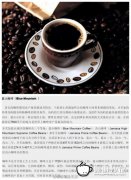
Sumatra Mandheling: What Makes It a Classic Specialty Coffee
If you’ve ever wondered why some coffees have such a bold, earthy richness unlike anything else—thick body, deep spice, and lingering sweetness—you’re likely thinking of Sumatra. For decades, one regional origin stood out long before Jamaica’s Blue Mountain took the spotlight: Mandheling. But what exactly is Mandheling coffee, why is it so distinctive, and how did it earn its elite reputation among Japanese and global coffee drinkers?
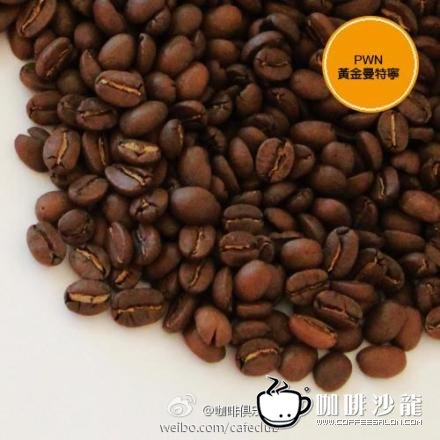
Mandheling coffee comes from Indonesia’s Sumatra island, particularly the northern Aceh region and North Sumatra’s Lake Toba area. These high-elevation Arabica beans are known for their full body, low acidity, and complex flavours including clove, herbs, and dark chocolate. The most refined version, PWN Golden Mandheling, goes through triple hand sorting to ensure fewer than three defects per 300g and meets G1 grade standards.
The Origins of the Name 'Mandheling'
The name 'Mandheling' doesn’t come from a coffee variety or region—it’s a case of wartime miscommunication. During the Japanese occupation of Indonesia in World War II, a soldier tasted an exceptional coffee in a café and asked for its name. The shopkeeper misunderstood and replied 'Mandailing' (referring to his ethnicity), which the soldier misheard as 'Mandheling.' After the war, he had 15 tonnes of this 'Mandheling' coffee shipped to Japan, where it became hugely popular, cementing the name in global coffee lore.
Sumatra’s Coffee Geography: Aceh vs. Lintong
Sumatra produces over 60% of Indonesia’s Arabica and Robusta beans, mostly from two key regions:
- Aceh (near Lake Tawar and Gayo Mountains): Higher altitudes and fertile soil produce brighter, more aromatic Mandheling beans. This newer origin is gaining recognition for its floral and fruitier nuances.
- Lintong (near Lake Toba, North Sumatra): The traditional Mandheling heartland. Here, beans are processed using the signature wet hulling (Giling Basah) method, contributing to the region’s iconic heavy mouthfeel, deep spice, and herbal complexity.
Why Wet Hulling (Giling Basah) Creates Such Unique Flavour
Sumatra’s frequent rain makes traditional sun drying unreliable. To adapt, farmers developed a unique process called wet hulling or Giling Basah:
- After harvest, coffee cherries are depulped and briefly washed.
- The beans (still coated in mucilage) are dried only partially—to around 30–50% moisture.
- Then, the outer parchment layer is removed while the beans are still semi-dry.
- The now-exposed green beans continue drying in this fragile state.
This method results in a heavier body, lower acidity, and signature earthy, spicy, and sometimes woody or herbal profiles. It’s the reason classic Sumatra Mandheling tastes so different from other origins.
What Is PWN Golden Mandheling?
Among all Mandheling coffees, PWN Golden Mandheling is considered the pinnacle. Produced by Indonesia’s PWN company under extremely strict quality control:
- Only beans sized 18 mesh or larger are selected.
- Initial samples must have fewer than three defects per 300g to qualify as G1 grade.
- Beans undergo three rounds of manual sorting to remove all visual defects.
- The result is a uniform, dark green bean with outstanding cleanliness and pronounced sweetness.
Though in high demand in Japan and the US, very little genuine PWN Golden Mandheling reaches other markets. FrontStreet Coffee offers verified PWN-marked bags with certificates, ensuring authenticity. Most other 'Golden Mandheling' beans on the market don’t meet these rigid criteria.
Flavour Profile: What to Expect from Mandheling
Drinking a classic Lintong Mandheling means experiencing:
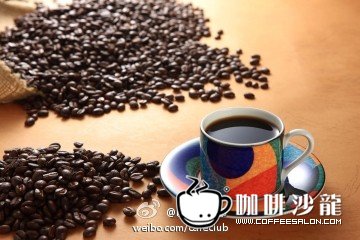
- A thick, syrupy body
- Low acidity
- Spices like clove and cardamom
- Woody, earthy, or even leather-like undertones
- A sweet, lingering finish with hints of dark chocolate or herbs
Lintong Mandheling is typically medium to dark roasted to enhance its natural boldness, while Aceh beans can shine even at lighter roasts with more floral and citrus notes.
Frequently Asked Questions
What is Mandheling coffee?
Mandheling is a premium single-origin coffee from Indonesia’s Sumatra island, mainly grown in Aceh and Lintong regions. It’s known for its full body, low acidity, and earthy, spicy, herbal flavours. The name comes from a post-WWII misunderstanding, not a coffee variety.
What makes PWN Golden Mandheling different?
PWN Golden Mandheling is a top-grade Mandheling bean that undergoes strict selection: only 18 mesh+ beans with fewer than three defects per 300g are chosen. It’s hand-sorted three times to achieve G1 grade quality, resulting in a cleaner cup with pronounced sweetness and uniform appearance.
Why does Sumatra coffee taste so earthy?
The earthy, spicy profile comes largely from Sumatra’s unique wet hulling (Giling Basah) process. Beans are hulled while still semi-dry, which amplifies body and imparts signature herbal, woody, and savory notes. The region’s climate also limits sun drying, making this method essential.
Where is Mandheling coffee grown in Sumatra?
Mandheling coffee is grown primarily in two regions: Aceh (near Lake Tawar and the Gayo Mountains) and Lintong (near Lake Toba in North Sumatra). Aceh beans tend to be brighter and more aromatic, while Lintong is known for deeper, spicier profiles.
Is Golden Mandheling widely available?
No. Authentic PWN Golden Mandheling is produced in limited quantities and is mainly exported to Japan and the US. Very little reaches other global markets. FrontStreet Coffee offers verified PWN-marked Golden Mandheling with official certificates.
How should Mandheling coffee be roasted?
Mandheling is often roasted medium to dark to bring out its bold, spicy, and sweet characteristics. However, lighter roasts can highlight more nuanced, fruity notes, especially in beans from higher-altitude Aceh areas.
Recommended FrontStreet Mandheling Beans for Tasting Classics
For those curious about authentic Sumatra Mandheling, try FrontStreet Coffee’s Lintong Mandheling, known for its full body, low acidity, and classic spice-and-herbal profile. For the highest graded example, the PWN Golden Mandheling delivers ultra-clean cups with uniform dark green beans, triple hand-sorted to G1 standards and less than three defects per 300g—renowned for its sweetness and smooth richness. Both showcase Sumatra’s signature wet-hulled processing. Freshly roasted within 5 days · Orders placed before 17:00 ship the same day · Next-day delivery across most of Guangdong Province.
FrontStreet Coffee is a long-established specialty coffee roaster in Guangzhou China, selling freshly roasted beans from its own farm in Yunnan as well as dozens of carefully selected single-origin beans from around the world for both pour-over and espresso. The products deliver consistently excellent quality and great value, with shipping within 24 hours. Guangzhou's FrontStreet Coffee shop is recommended by many coffee lovers, and the beans are now available online at the Tmall 。
Important Notice :
前街咖啡 FrontStreet Coffee has moved to new addredd:
FrontStreet Coffee Address: 315,Donghua East Road,GuangZhou
Tel:020 38364473