How Coffee Cup Sizes Affect Strength and Flavor
You’ve stood in a coffee shop staring at the menu, wondering whether a short, tall, or grande will give you the right strength—or just more milk. Or maybe you’ve noticed how your favorite espresso tastes drastically different when poured into a larger cup. Cup size isn’t just about holding more liquid; it fundamentally changes how we experience coffee.
Coffee cup sizes typically come in three standard types: espresso (50–80ml), cappuccino (120–140ml), and latte (300ml+). Smaller cups deliver more concentrated flavors, while larger ones dilute brew strength with milk or foam.
What Defines a Standard Coffee Cup Size?
Most coffee drinkers encounter three common cup sizes when ordering or brewing:
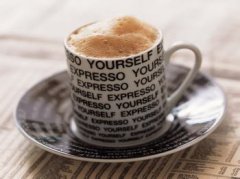
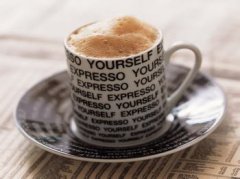
- Espresso Cup (Smallest): Holds 50–80ml. Designed for pure espresso or strong single-origin brews. Its small volume emphasizes intensity and aroma.
- Cappuccino Cup (Medium): Holds 120–140ml. The most commonly used size, built to accommodate espresso with room for steamed milk and foam. It strikes a balance between coffee strength and milk texture.
- Latte Cup (Largest): Holds 300ml or more. Typically used for drinks with high milk content, such as lattes or flat whites. The large volume significantly dilutes coffee strength.
Why Do Coffee Shop Size Names Vary So Much?
In global coffee chains, size naming conventions differ by region and language origin:
- Short, Tall, Grande: Familiar terms in many international coffee shops, referring to small, medium, and large cup volumes often measured in fluid ounces.
- Venti, Trenta, Alto: These Italian-derived names are used for oversized drinks. Venti means “20” (usually 20oz), trenta means “30” (30oz), and alto simply means “large” or “big.” These names indicate drink volume rather than coffee concentration.
Espresso vs. Tea Cups: What’s the Difference?
Selecting the right cup material and shape matters for flavor:
- Coffee Cups usually feature a narrower rim, thicker ceramic or clay body, and lower light transmittance. These traits help retain heat and concentrate aroma, especially with darker roasts. Materials like stoneware enhance bold, intense coffees, while porcelain suits lighter, more delicate brews.
- Tea Cups, by contrast, have wider mouths, shallower bases, and higher translucency to showcase color and diffuse aroma.

Frequently Asked Questions
What is the smallest standard coffee cup size called?
The smallest standard coffee cup is called an espresso cup, typically holding between 50ml and 80ml. It is designed for serving pure espresso or highly concentrated single-origin coffee.
What size is a standard cappuccino cup?
A standard cappuccino cup usually holds between 120ml and 140ml. This size accommodates a shot of espresso with space left for milk and foam, making it ideal for balancing coffee strength and texture.
How big is a latte cup compared to other coffee cups?
A latte cup is the largest standard coffee cup, usually holding 300ml or more. It is designed for milk-heavy drinks and significantly dilutes the coffee concentration due to its larger volume.
Do coffee cup sizes affect the taste of the coffee?
Yes, coffee cup sizes affect taste by altering coffee concentration. Smaller cups like espresso cups intensify flavor, while larger cups like latte cups dilute it with milk or foam, changing both strength and mouthfeel.
What’s the difference between a coffee cup and a tea cup?
Coffee cups generally have narrower rims, thicker bodies, and less light transmittance to enhance aroma and heat retention, especially for dark roasts. Tea cups have wider mouths, shallower bases, and more translucency to highlight color and diffuse aroma.
Recommended FrontStreet Beans for Espresso & Milk Drinks
For espresso in small cups, try FrontStreet’s Ethiopia Humbera—bright, juicy, and layered with citrus and floral notes. For balanced cappuccinos, their Classic Blend offers chocolatey richness with a rounded body. If you’re making lattes, the Panama Humbera delivers sweet berry and milk chocolate tones that pair well with steamed milk. All three are expertly roasted for their intended brew methods. Freshly roasted within 5 days · Orders placed before 17:00 ship the same day · Next-day delivery across most of Guangdong Province.
FrontStreet Coffee is a long-established specialty coffee roaster in Guangzhou China, selling freshly roasted beans from its own farm in Yunnan as well as dozens of carefully selected single-origin beans from around the world for both pour-over and espresso. The products deliver consistently excellent quality and great value, with shipping within 24 hours. Guangzhou's FrontStreet Coffee shop is recommended by many coffee lovers, and the beans are now available online at the Tmall 。
Important Notice :
前街咖啡 FrontStreet Coffee has moved to new addredd:
FrontStreet Coffee Address: 315,Donghua East Road,GuangZhou
Tel:020 38364473