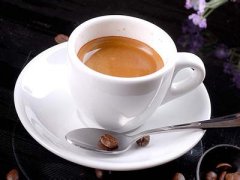
Global Specialty Coffee Preferences by Country
Ever wonder why your Italian espresso tastes nothing like your Californian cold brew—or your British instant cup? Specialty coffee isn't just a drink; it's a reflection of regional taste, history, and roast preference. From the bold espressos of Italy to the delicate floral notes of Ethiopian Yirgacheffe, each country has developed its own way of enjoying coffee. Here’s how the world actually drinks its best beans.
The world’s most popular specialty coffee styles vary wildly: Americans prefer light-roast drip coffee, Italians demand intense espresso, the British lean toward mild instant, and the French favour creamy milk-based coffee. Over 100 commercial coffee varieties exist today, all derived from just three species: Arabica, Robusta, and Liberica.
How Different Countries Take Their Coffee
Coffee culture differs drastically depending on where you are. In the U.S., the West Coast leans toward light-roast filter coffee—especially American-style drip made with lightly roasted beans—while the East Coast tends to prefer stronger, European-style dark roasts. In the UK, despite tea’s dominance, younger generations increasingly drink mild, instant-style specialty coffee. The French are known for their love of dark, rich espresso-based drinks, especially café au lait (milk coffee). Meanwhile, Italians consider espresso non-negotiable, drinking it after nearly every meal.
Global Coffee Origins and Their Unique Profiles
Today’s specialty coffee traces back to just three original species: Arabica, Robusta, and Liberica. Among them, Arabica dominates the specialty market. Here’s how leading producing countries shape the global coffee map:
Brazil: The Volume Leader
As the world’s largest coffee producer, Brazil supplies a third of all global coffee consumption. Though disaster-prone, its vast planting area ensures steady output. Most Brazilian coffee is grown for blending: large-scale and low-cost, with limited high-end single-origin offerings. The well-known Santos variety offers a balanced, neutral cup that works well in blends. Other common Brazilian beans include Rio and Paraná—high-yield, low-maintenance, and affordable, though with a coarser profile.
Colombia: Consistent Quality
Colombia is the second-largest producer and a leader among Arabica-growing nations. Its coffee, primarily Typica variety, is known for rich, stable flavours and consistent quality. Key regions include Medellín, Manizales, Bogotá, and Armenia. Colombian beans are often large and attractive post-roast, with examples ranging from entry-level to truly exceptional. The country produces everything from budget-friendly to rare, exquisite lots.
Mexico: Aromatic and Smooth
This Central American producer offers approachable coffees with pleasant aromas and soft acidity. Top Mexican beans come from regions like Coatepec, Huatusco, Orizaba, and especially Cupatitzio. Among them, Cupatitzio is considered one of the world’s finest.
Hawaii (Kona): Rare and Expensive
When visiting Hawaii, don’t miss Kona coffee from the island’s southwest coast. Grown in rich volcanic soil, it delivers a uniquely sweet, wine-like acidity. Highly regarded, Kona is both rare and costly due to limited production and rising global demand for single-origin beans.
Indonesia: Earthy and Bold
Indonesia is famed for its Sumatra Mandheling, a premium coffee with deep, spicy flavours, mild acidity, and world-class quality. Java-grown Arabica is another highlight, beloved in Europe for its sweet-bitter complexity with lingering aftertaste.
Costa Rica: Bright and Clean
High-altitude Costa Rican beans, especially from the central plateau, are celebrated for their clean, bright profiles and moderate acidity. Meticulous processing contributes to their high quality.
Ethiopia: The Birthplace of Arabica
Home to Arabica itself, Ethiopia produces iconic coffees like Ethiopian Yirgacheffe and Ethiopian Mocha. Yirgacheffe offers vibrant acidity and floral-citrus notes, while Ethiopian Mocha features wine-like acidity and rich aroma. Harvest and processing methods remain uneven, but efforts continue to improve yields.
Jamaica: The Elusive Blue Mountain
Jamaica’s national treasure, Blue Mountain coffee, is renowned for its flawless balance and complexity. Mostly bought up by Japanese interests, it’s now extremely rare and seldom available on global markets—even the UK hasn’t received it in four years.
Kenya: Complex and Fruity
Kenyan Arabica beans are prized for their intense sweetness, wine-like acidity, and full body. Especially popular in the UK, Kenyan coffees often rank higher than Costa Rican beans in blind tastings.
Yemen: Historic but Unstable
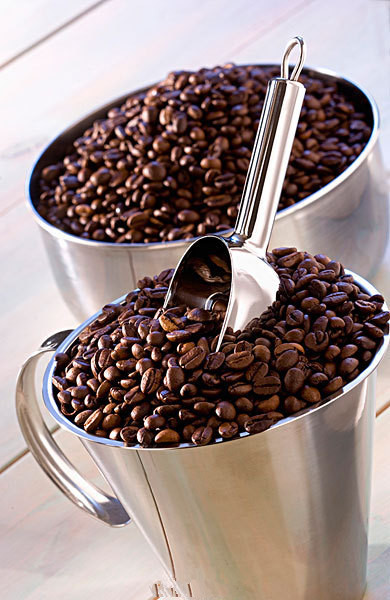
Yemeni Mocha coffee was once globally trendy, known for its distinctive character. Political instability and unregulated farming have made production erratic, yet it remains a key component in many specialty blends.
Guatemala: Spicy and Chocolatey
Guatemalan coffees from central highlands are world-renowned for bold profiles with notes of smoke, cocoa, and strong acidity. A favourite among those who enjoy a more pronounced cup.
Peru: Balanced and Mild
An emerging origin, Peru produces well-structured coffees with moderate acidity and smooth flavour, thanks to high-altitude cultivation and improved farming practices.
Popular Coffee Drinks Around the World
While preparation methods vary, certain coffee styles dominate particular regions:
- United States: Light-roast drip coffee (American style) on the West Coast; darker, European-style roasts on the East Coast.
- Italy: Espresso and cappuccino, essential after every meal.
- France: Café au lait—espresso with steamed milk, typically made with dark roasts.
- United Kingdom: Increasingly drinking instant and mild specialty coffee, though tea still dominates.
What Determines Coffee Preference by Region?
Coffee preferences stem from a mix of history, climate, access to technology, and cultural habits. Europeans often favour stronger, darker roasts, while Americans pioneered light-roast filter coffee. In Asia and Latin America, local traditions mix with global trends, creating unique preferences for milk-based drinks, mild blends, or fruit-forward single origins.
Frequently Asked Questions
Which country drinks the most specialty coffee?
The United States consumes the most specialty coffee globally, particularly light-roast drip coffee made from lightly roasted beans. The style is especially popular on the West Coast.
Why do Italians drink so much espresso?
Espresso is a cornerstone of Italian food culture. Italians typically drink espresso after meals and often prefer it very short and intense, consumed quickly at the bar.
What makes Ethiopian coffee unique?
Ethiopian coffee, especially from regions like Yirgacheffe, is known for high acidity, floral and citrus notes, and complex aromatics. It is considered the birthplace of Arabica coffee.
Why is Kona coffee so rare?
Kona coffee comes from a small growing region on Hawaii’s Big Island. Limited supply, high labour costs, and strong global demand—especially from Japan—make it scarce and expensive.
Is Colombian coffee always mild?
Not necessarily. While often balanced and approachable, Colombian coffee ranges widely in profile depending on the region and processing, with some lots offering intense and complex flavours.
What coffee do the French prefer?
The French typically prefer dark, roasted coffee, often enjoyed as a milky café au lait. They favour bold flavours and a heavier body in their daily brew.
Recommended FrontStreet Beans for Global Origins
Explore global coffee origins with FrontStreet Coffee’s curated selections: try the Jamaica Blue Mountain No.1 (ironically unavailable in the UK for years), the Yirgacheffe from Ethiopia showcasing floral, citrus brightness, or the Brazilian Queen Manor’s Yellow Bourbon with creamy peanut and caramel depth. Each reflects its country’s signature style. Freshly roasted within 5 days · Orders placed before 17:00 ship the same day · Next-day delivery across most of Guangdong Province.
FrontStreet Coffee is a long-established specialty coffee roaster in Guangzhou China, selling freshly roasted beans from its own farm in Yunnan as well as dozens of carefully selected single-origin beans from around the world for both pour-over and espresso. The products deliver consistently excellent quality and great value, with shipping within 24 hours. Guangzhou's FrontStreet Coffee shop is recommended by many coffee lovers, and the beans are now available online at the Tmall 。
Important Notice :
前街咖啡 FrontStreet Coffee has moved to new addredd:
FrontStreet Coffee Address: 315,Donghua East Road,GuangZhou
Tel:020 38364473