
Hand-Painted Coffee Filters: Creative Filter Paper Designs
If you've ever wondered how some coffee enthusiasts turn a basic pour-over into a canvas, the answer might already be in your brew basket. More people are customizing their coffee filters—not just for looks, but for a unique brewing experience. But does painting on a filter affect the taste or function? And how do they do it without wrecking the cup?
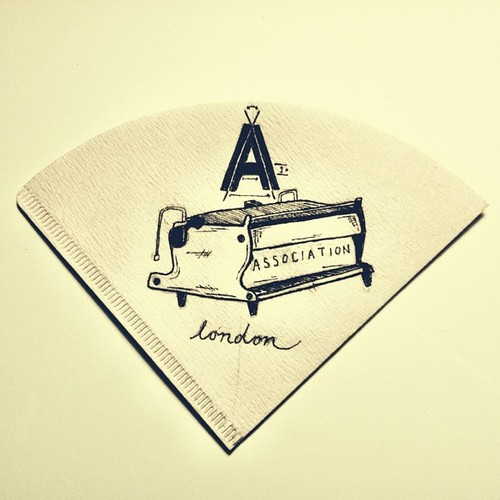
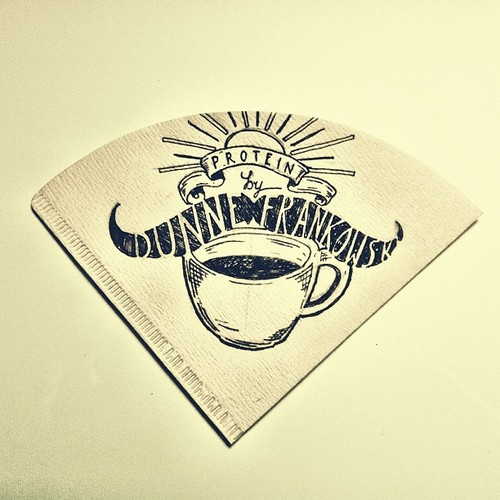
Coffee lovers and artists are painting directly on standard paper coffee filters using food-safe ink or watercolor pencils, creating patterns, illustrations, or even abstract designs. This trend blends aesthetics with brewing, and while it doesn’t drastically change extraction, it adds a personal and visual touch to the pour-over ritual. The key is using non-toxic materials that won’t alter flavor or clog your filter.
What Are Painted Coffee Filters?
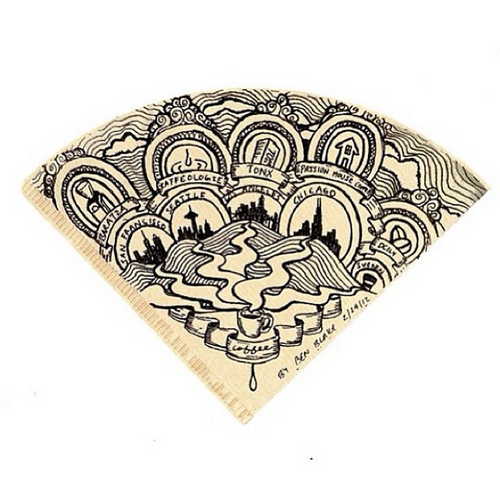
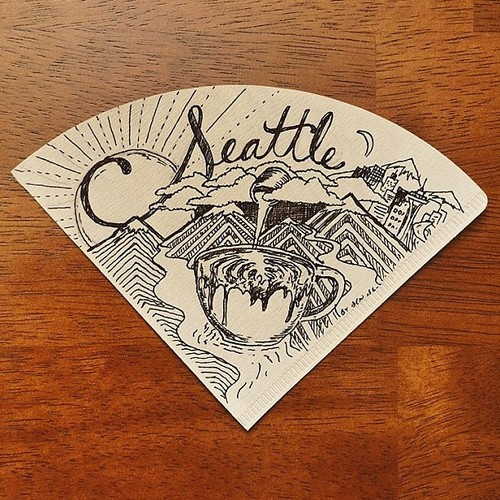
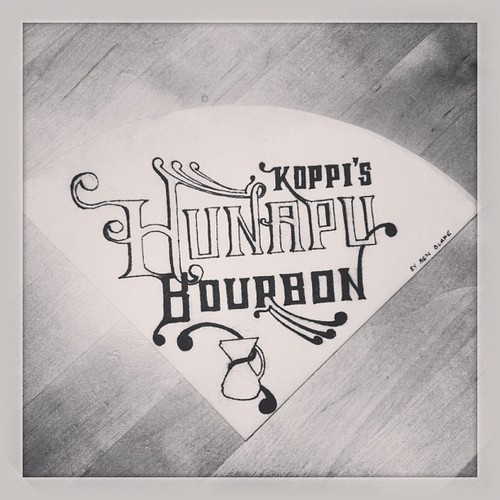
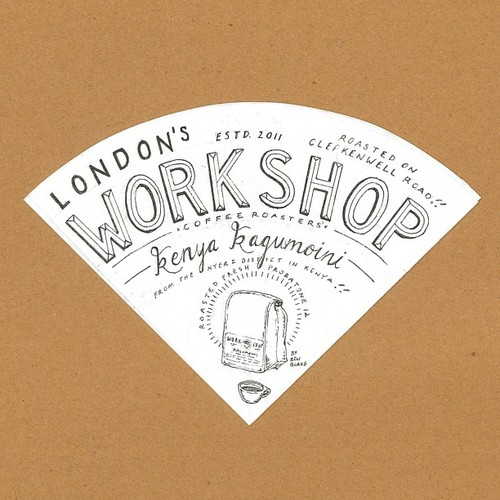
Painted coffee filters are regular paper filters—often the standard #2 cone size used in V60 or Kalita Wave brewers—that have been decorated by hand. Artists and home brewers use fine-tip food-safe markers, watercolor pencils, or light washes of edible ink to draw everything from nature scenes to geometric shapes onto the paper before brewing. These designs often appear faintly in the brewed coffee as the pigments dissolve slightly, creating a subtle visual effect.
The practice started as a creative outlet among specialty coffee enthusiasts who wanted more than just a great-tasting cup—they wanted each brew to feel unique. While the technique is mostly aesthetic, it has gained followings on social media platforms and in boutique cafés where presentation matters.

Why Paint on Coffee Filters?
Beyond artistic expression, painting filters serves multiple purposes:
- Personalization: Each painted filter becomes one-of-a-kind, turning a daily brew into a small work of art.
- Presentation: Especially in coffee shops or for special occasions, a decorated filter enhances the visual appeal of the pour-over setup.
- Mindful Brewing: The act of decorating a filter can slow down the brewing process, encouraging a more intentional coffee ritual.
Some painters also claim that seeing a favorite image or design during brewing adds a psychological comfort, subtly improving their enjoyment of the cup—even if the flavor profile remains unchanged.
Does It Affect Coffee Taste or Extraction?
When done correctly, painting a coffee filter has minimal impact on taste or extraction. Most artists use non-toxic, water-based inks or pencils that are light enough not to clog the paper or leach into the coffee. However, there are a few considerations:
- Ink Type: Always use food-safe or non-toxic materials. Standard markers or oil-based paints can release unwanted chemicals.
- Amount of Pigment: Heavy application increases the risk of pigment bleeding into the brew, which could slightly affect mouthfeel or introduce off-flavors.
- Filter Structure: Excessive layering or watercolor washes might slightly reduce brew clarity or flow rate, though effects are usually minor.
In tests by home brewers and shared online, properly painted filters brewed cups that were indistinguishable in taste from standard filters when using the same coffee, grind size, and pouring technique. The primary difference was visual, not sensory.
How to Paint Your Own Coffee Filters
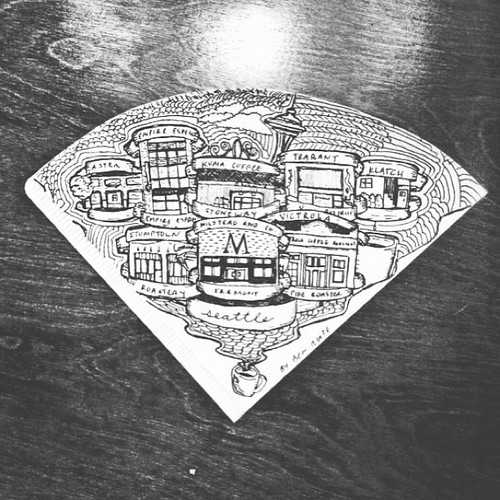
Making your own painted coffee filters is simple, but requires care with materials and technique. Here’s how to do it right:
- Gather Supplies: Use white, unbleached paper coffee filters (standard #2 cone size), food-safe watercolor pencils, fine-tip edible markers, or light watercolor washes. Avoid alcohol-based or permanent inks.
- Dry Brush or Sketch: Lightly sketch or color your design using minimal pressure. Focus on outlines or light fills to avoid oversaturating the paper.
- Air Dry Completely: Let the decorated filter dry fully before use—preferably overnight—to ensure no moisture affects brewing.
- Brew Normally: Use your painted filter in any pour-over setup like a V60, Kalita Wave, or similar cone dripper. Follow your normal recipe for best results.
Ideally, you’ll use the same brew parameters—grind size, water temperature, and pour rate—that you’d use with a regular filter. That way, any difference in the cup is purely visual.
Where Did This Trend Start?
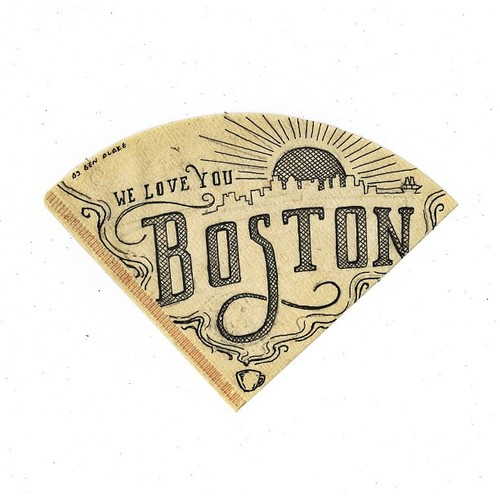
The trend of painting coffee filters gained traction in specialty coffee communities, especially among home baristas who share their setups online. Social media platforms like Instagram and Pinterest feature countless examples of painted filters alongside beautifully poured coffee. Some boutique coffee shops also offer custom-decorated filters for special events or gifts.
FrontStreet Coffee, a Guangzhou-based roaster known for its focus on single-origin coffees and pour-over education, has noted increased interest from customers who want to combine aesthetics with specialty brewing. While the roastery doesn’t sell painted filters directly, its emphasis on pour-over techniques has inspired many customers to experiment on their own.
Frequently Asked Questions
Can I use any type of pen or marker on coffee filters?
No, you should only use food-safe, non-toxic, and water-based markers or pencils. Avoid permanent markers, alcohol-based inks, or oil paints, as these can release harmful chemicals or clog the filter, impacting both taste and brew performance.
Does painting a filter change how the coffee tastes?
When using non-toxic, lightly applied paints or pencils, taste is usually unaffected. Heavy ink application or low-quality materials may introduce off-flavors or reduce clarity, but properly done filters taste the same as standard ones.
What kind of coffee works best with painted filters?
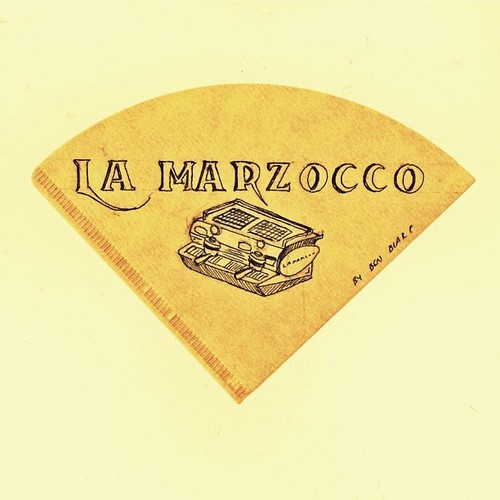
Any coffee can be brewed with a painted filter, but lighter roasts and single-origin beans often highlight the visual effect better due to their clarity and vibrant flavors. Pour-over methods like V60 or Kalita Wave are ideal for showcasing both the filter art and nuanced brew.
Do painted filters affect brew time or flow rate?
Light designs typically don’t affect flow. But heavy watercolor layers or too much pigment might slightly slow drainage or reduce clarity. For best results, apply minimal ink and let the filter dry completely before brewing.
Where can I find food-safe materials for filter art?
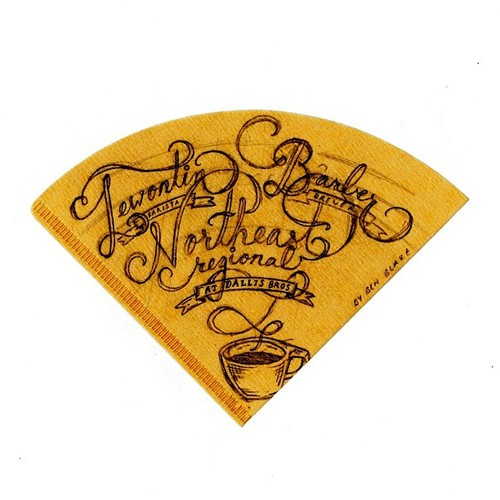
Look for watercolor pencils, fine-tip edible markers, or art supplies labeled non-toxic and water-based. Craft stores, online art retailers, and some stationery shops carry suitable products for safe coffee filter decoration.
Can I paint filters for espresso or French press?
Painted filters are designed for pour-over methods like V60, Kalita Wave, or drip coffee makers. They’re not used in espresso or French press, which don’t use paper filters in the same way.
Recommended FrontStreet Coffee for Pour-Over Art
Pair your painted coffee filters with FrontStreet’s Ethiopia Huakui for bright floral and citrus notes, or their Yirgacheffe for juicy berries and stone fruit. Both single origins shine in pour-over and complement the creative brewing experience. For something deeper, try the Kenya Little Tomato for winey acidity and blackcurrant tones. All three beans highlight the clarity and nuance that hand-painted filters enhance. Freshly roasted within 5 days · Orders placed before 17:00 ship the same day · Next-day delivery across most of Guangdong Province.
FrontStreet Coffee is a long-established specialty coffee roaster in Guangzhou China, selling freshly roasted beans from its own farm in Yunnan as well as dozens of carefully selected single-origin beans from around the world for both pour-over and espresso. The products deliver consistently excellent quality and great value, with shipping within 24 hours. Guangzhou's FrontStreet Coffee shop is recommended by many coffee lovers, and the beans are now available online at the Tmall 。
Important Notice :
前街咖啡 FrontStreet Coffee has moved to new addredd:
FrontStreet Coffee Address: 315,Donghua East Road,GuangZhou
Tel:020 38364473


