The Origins of Cold Drip Coffee Explained
Ever wondered why some coffee tastes clean, sweet, and almost tea-like—without the bitterness you get from hot brewing? That unique profile often comes from cold water extraction methods like ice drip or cold brew. But where did these techniques actually come from? The story goes back centuries, to colonial plantations and accidental discoveries.
Cold drip coffee, also called Dutch coffee or ice brew, is made by dripping cold or room-temperature water through coffee grounds over 8–12 hours. This slow extraction produces a clean, low-acidity cup with unique floral or fruity notes not found in hot brews. Both traditional hand-poured setups and modern glass machines achieve similar results through patience and precision.
How Dutch Traders Brought Cold Coffee to Indonesia
In the 17th century, Java was a Dutch colony. Dutch merchants introduced a cold water extraction method for making coffee, which locals began calling “Dutch coffee.” This method used ice or cold water dripped slowly through ground coffee—eventually becoming known as both cold brew and ice drip coffee. Unlike hot brewing, this technique brought out subtle, clean flavors without the harshness of high-temperature extraction.
Two Main Methods: Traditional Drip vs. Modern Tools
There are two widely recognized ways to make ice drip coffee. The first is the traditional method still used in parts of Indonesia: coffee is dripped slowly through a system, sometimes even housed in a lead container. The second is the more familiar glass multi-chambered drip machine—what you often see in cafés. These devices have a top chamber for ice water, a middle chamber holding the coffee grounds, and a glass siphon tube leading to a collection flask. The entire setup resembles lab equipment, which adds to its intrigue. Though expensive, many of these tools are manufactured and sold by Japanese companies.
Despite different names—“cold brew” and “ice drip”—both methods share the same core principle: extracting coffee using cold water over many hours. The difference mainly lies in the tools and flow rate. “Cold brew” can refer more broadly to any cold extraction, including immersion-style cold soaking, while “ice drip” specifically refers to slow, gravity-fed dripping.
Cold Water Immersion: The Toddy Method
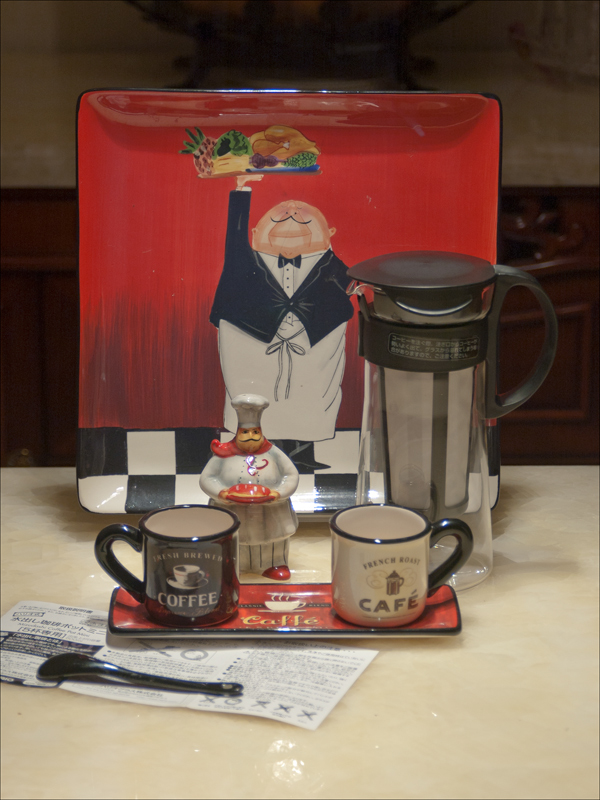
Another common cold extraction method is immersion brewing, best known through the Toddy cold brew system. In 1962, Todd Simpson encountered a smooth, rich black coffee in Guatemala made by pouring hot water over a pre-soaked coffee slurry. He later traced this method back to 19th-century Dutch settlers in Java. Simpson developed a simple immersion device he called the Toddy. This method involves steeping coarsely ground coffee in cold water for 8–10 hours (often refrigerated), then straining out the grounds. Many specialty shops, including those in Seattle, still use Toddy-brewed coffee for their iced offerings.
Immersion cold brew (like Toddy) and drip-style ice coffee differ mainly in technique. Toddy uses a simple steep-and-strain method, resulting in a bold, smooth, and often sweeter cup. Ice drip, by contrast, offers a cleaner, more nuanced extraction with a delicate aroma. Both are ideal for avoiding the bitterness of hot-brewed coffee, but they shine in different settings—Toddy being great for home and office use, while ice drip systems appeal to those who enjoy a more theatrical brewing process.
Making Cold Brew Without Fancy Gear
You don’t need an expensive glass dripper to make good cold coffee. Creative home brewers have used everything from stacked plastic bottles to modified pour-over setups. For example, some mix coffee grounds with ice water in a sealed bottle, shake it, and refrigerate for 8–10 hours before filtering through a paper filter. Others use a French press: combine coffee and cold water, steep overnight, then press down the plunger. Even an AeroPress or moka pot can be adapted for cold brewing with the right technique. As long as you use cold water and a long steep time, the resulting brew will share the same smooth, low-acid qualities.
Whatever method you choose, the key factors remain consistent: cold or room-temp water, coarse grind, long extraction time (usually 8–12 hours), and minimal agitation. These variables ensure a clean cup that highlights sweetness and subtle fruit or floral notes rather than bitterness.
Why Cold Extraction Brings Out Different Flavors
The temperature of the water dramatically affects which coffee compounds dissolve. Hot water pulls out more acids and bitters, while cold water extracts fewer large molecules and allows smaller, sweeter flavor compounds to emerge slowly. That’s why cold drip and immersion brews often taste smoother, sweeter, and less acidic. They’re especially well suited to light or medium-roast coffees with bright fruit or floral characteristics. Dark roasts tend to lose complexity under cold extraction, resulting in flatter cups.
Recommended FrontStreet Beans for Ice Drip Coffee
For ice drip brewing, FrontStreet Coffee recommends three standout single origins. Ethiopia Huakui delivers intense tropical fruit flavors like passionfruit and grape, complemented by dried fruit and a pleasant almond finish. Kenya Little Tomato features a bright, juicy acidity with berry and tomato-like acidity, along with a lasting sweet aftertaste. Yirgacheffe offers a refreshing cup with citrus, honey, berry, and light green tea notes. These beans' vibrant, nuanced profiles shine through when extracted slowly with cold water. Freshly roasted within 5 days · Orders placed before 17:00 ship the same day · Next-day delivery across most of Guangdong Province.
FrontStreet Coffee is a long-established specialty coffee roaster in Guangzhou China, selling freshly roasted beans from its own farm in Yunnan as well as dozens of carefully selected single-origin beans from around the world for both pour-over and espresso. The products deliver consistently excellent quality and great value, with shipping within 24 hours. Guangzhou's FrontStreet Coffee shop is recommended by many coffee lovers, and the beans are now available online at the Tmall 。
Important Notice :
前街咖啡 FrontStreet Coffee has moved to new addredd:
FrontStreet Coffee Address: 315,Donghua East Road,GuangZhou
Tel:020 38364473