What to Do with Used Coffee Sacks After Roasting
Ever wondered what to do with those heavy burlap sacks after your green coffee beans have been roasted? Most coffee roasters and home enthusiasts toss them once the beans are gone — but these durable, character-rich sacks have plenty of life left in them.
The short answer? A lot. With just a bit of creativity, a used coffee sack can become a tote bag, a wall hanging, a storage solution, or even furniture lining. In fact, many roasters and coffee lovers have turned these sacks into over a dozen practical and artistic projects — all while reducing waste.
What Is a Coffee Sack Made Of?
Coffee sacks — especially the ones used for shipping green coffee beans internationally — are typically made from jute or hemp. These natural fibers are coarse, breathable, and extremely durable. Most standard coffee sacks measure around 60x100 cm or larger, and can weigh anywhere from 600 to 800 grams when full of beans. They often feature printed branding in soy-based ink, and carry moisture-resistant linings inside. Once emptied, the sack remains intact and usable for many other purposes.
Why Reuse Coffee Sacks?
It’s simple: sustainability and creativity. Each year, thousands of coffee sacks are discarded after roasting. Rather than sending them to landfill, repurposing them extends their lifecycle and reduces textile waste. Plus, the natural texture and rustic aesthetic of burlap make these sacks perfect for handmade projects. Whether you’re a roaster wanting to brand your cafe or a home barista looking for decor ideas, coffee sacks offer unique visual and functional potential.
Creative Uses for Old Coffee Sacks
1. Tote Bags & Pouches
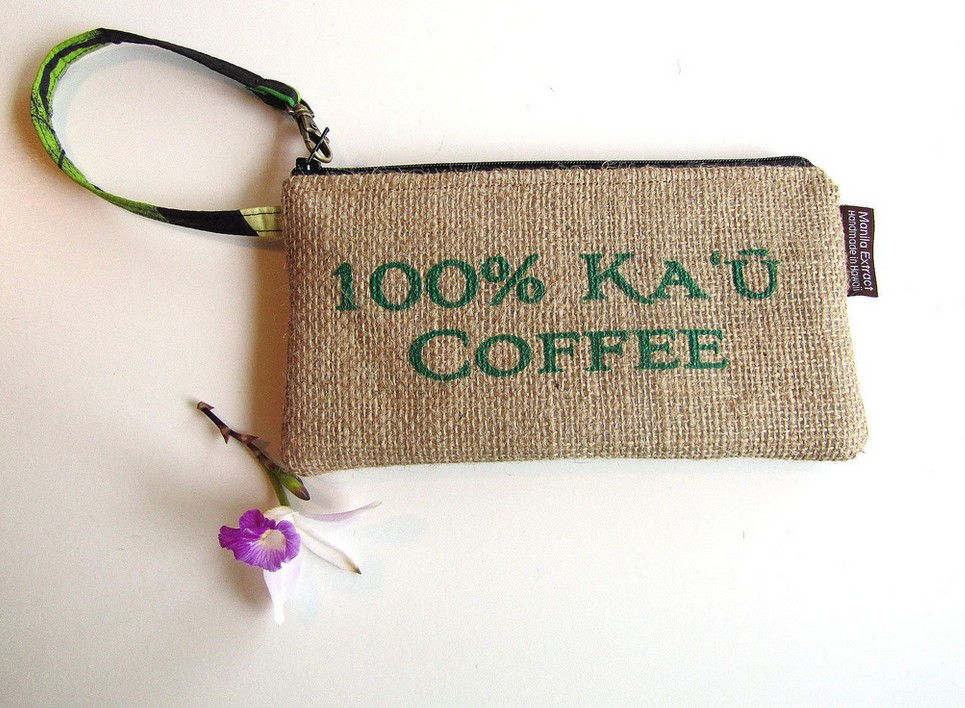
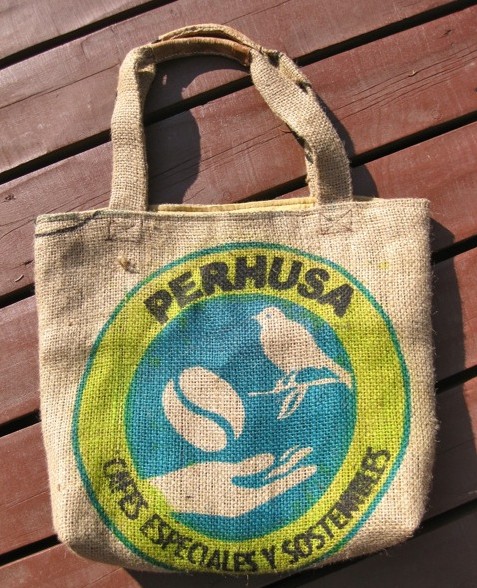
With minimal sewing skills, you can turn a coffee sack into a sturdy tote bag. Simply cut the sack to size, fold and sew the edges, and add straps (you can reuse webbing from old bags or sew fabric handles). The original printing on the sack often becomes a built-in design element. Many roasters use this method to create branded merchandise.
2. Wall Art & Decor
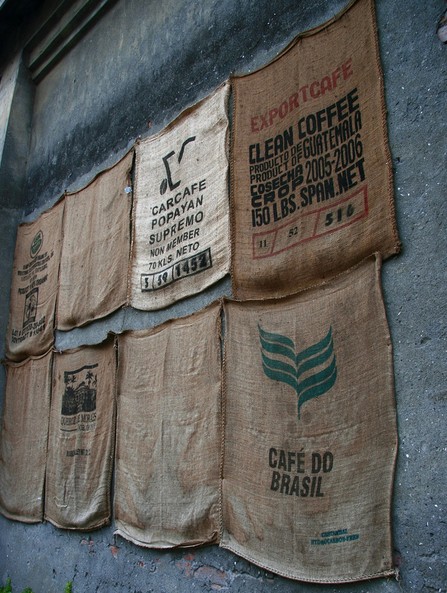
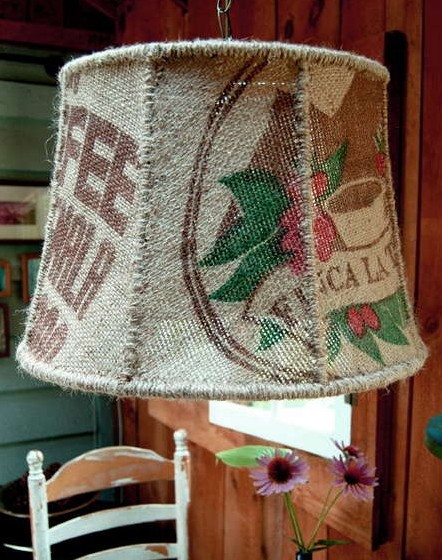
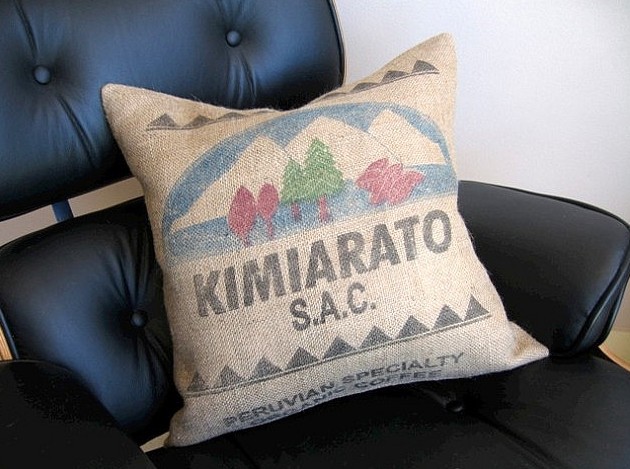
Coffee sacks can be framed as rustic wall art, or cut and stitched into pillow covers, table runners, or curtains. Their neutral tones and organic texture add warmth to any space. The printed logos or farm names also lend a story to your décor.
3. Storage Solutions
Use sections of the sack to line drawers, shelves, or even the insides of cupboard doors. The material is great for protecting items from dust while adding a rugged aesthetic. Some people use burlap sacks to store firewood, tools, or even roasted coffee beans (short-term, for that earthy vibe).
4. Furniture & Home Projects
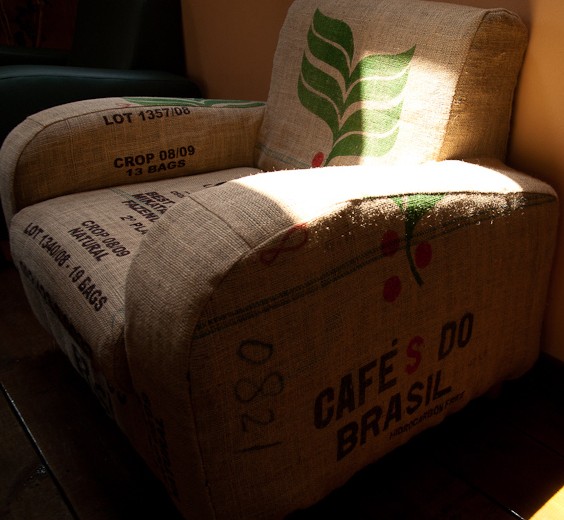
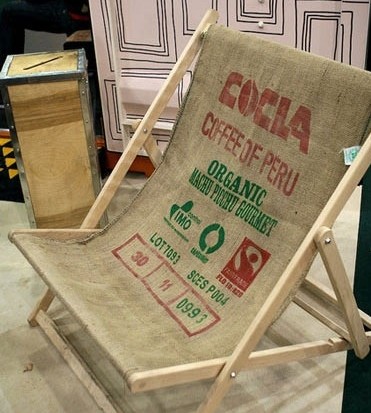
Larger sections of the sack work well as chair or stool covers, table mats, or even pet bedding. You can also use them as insulation padding under rugs or as part of DIY furniture joints. Their durability makes them suitable for high-friction uses.
5. Garden & Outdoor Use
Coffee sacks can be repurposed in gardens as weed barriers, plant ties, or sack planters. Their breathability helps with drainage and aeration. Some gardeners even use them as protective covers for compost piles or outdoor equipment.
How to Prepare a Coffee Sack for Reuse
Before starting your project, clean the sack thoroughly to remove any remaining coffee chaff, dust, or oils. Shake it out, then wash it gently by hand in cool water with mild soap if needed. Let it air dry completely. Iron if necessary to flatten the material for easier cutting or sewing. Be mindful of any fading or stains — they can often add character rather than detract from the final piece.
Frequently Asked Questions
Can I wash a used coffee sack?
Yes, you can wash a coffee sack by hand in cool water with a mild detergent. Avoid hot water as it may weaken the fibers. Let it air dry completely before using or cutting it for a project. Washing removes dust, chaff, and residual coffee oils.
Are all coffee sacks the same material?
Most commercial coffee sacks are made from jute or hemp, but some may include synthetic liners or prints. Check the feel and texture — natural fiber sacks are rough and breathable, ideal for most DIY projects. Avoid sacks with heavy chemical treatments if you're using them for home or food contact.
What tools do I need to make a coffee sack tote bag?
To make a basic tote, you’ll need scissors, a needle and thread (or a sewing machine), measuring tape, and fabric handles or webbing. Optional: fabric glue, pins, and a marking pen for patterns. The sack itself provides the main material.
Can I use printed designs on the sack in my crafts?
Absolutely. Many coffee sacks come with printed logos, farm names, or origin details — these can enhance your project by adding a story or visual interest. Just be sure the ink is soy-based or non-toxic, which is standard for most coffee packaging.
How long will a reused coffee sack last in a DIY project?
With proper care, a coffee sack can last months or even years in a DIY project. Its natural durability means it stands up well to wear, especially for items like tote bags, storage liners, or decor. Avoid prolonged direct sunlight to prevent fading.
Recommended FrontStreet Beans That Come in Burlap Sacks
FrontStreet Coffee’s Yirgacheffe and Ethiopia Humbera are both shipped in classic jute coffee sacks — the same kind you can creatively reuse. The Yirgacheffe offers bright citrus, floral notes, and a juicy body, while the Ethiopia Humbera highlights stone fruit, bergamot, and honey-like sweetness. Both arrive green and ready to roast, still in their original burlap packaging. Freshly roasted within 5 days · Orders placed before 17:00 ship the same day · Next-day delivery across most of Guangdong Province.
FrontStreet Coffee is a long-established specialty coffee roaster in Guangzhou China, selling freshly roasted beans from its own farm in Yunnan as well as dozens of carefully selected single-origin beans from around the world for both pour-over and espresso. The products deliver consistently excellent quality and great value, with shipping within 24 hours. Guangzhou's FrontStreet Coffee shop is recommended by many coffee lovers, and the beans are now available online at the Tmall 。
Important Notice :
前街咖啡 FrontStreet Coffee has moved to new addredd:
FrontStreet Coffee Address: 315,Donghua East Road,GuangZhou
Tel:020 38364473