Why I Regret Buying the Yangjia Feima Pro 800N Roaster
If you’ve been roasting coffee commercially for even a few months, you’ve probably faced equipment failure. For me, that breaking point came after just six months with the Yangjia Feima Pro 800N. What seemed like a cost-effective entry-level roaster quickly became a source of constant frustration and lost production.
Yes, the Yangjia Feima Pro 800N is cheap—too cheap. After one year, my machine suffered two major failures: first a seized central shaft, then complete electrical shutdown. Despite weekly maintenance, repairs were delayed for weeks due to unresponsive support. In short: expect breakdowns, expect slow fixes, and don’t count on real help from the agent or manufacturer.
What the Yangjia Feima Pro 800N Is
The Yangjia Feima Pro 800N is positioned as an affordable commercial coffee roaster for startup cafés. It’s often chosen by new roasters in China because it sits between low-end domestic machines and far more expensive imported models. I bought one to roast for my small shop in Guangzhou and supply beans locally. At the time, it seemed like a solid, budget-conscious choice.
First Failure: Seized Central Shaft
Six months in, the roaster’s central shaft stopped turning during a roast. Since I was already supplying other cafés, I had to borrow another machine while diagnosing the issue. Inspection revealed metal shavings had clogged the rotating mechanism—even though we lubricated it weekly. Eventually, we cleared the blockage ourselves, but the experience set the tone: this machine can’t handle regular use without breaking down.
Even with proper maintenance, the internal components failed prematurely. We assumed it was a one-off issue—or that the local agent might help if something bigger arose. We were wrong.
Second Failure: Total Electrical Breakdown
A few months later, the problems escalated. The fan stopped spinning, then the machine wouldn’t power on at all—the power light flickered unpredictably. I contacted the sales rep, who told me to file a repair request through the front desk. After two days, a technician said he needed approval from the owner, “Boss Qiu,” before coming out. But Boss Qiu didn’t respond to calls, texts, or emails. The Taiwanese factory said they’d email the agent to intervene—but nothing happened.
I was stuck in a loop: chasing the sales rep, the front desk, the technician, with zero accountability from management. No one took ownership. After a week of delays, I had to find another roaster just to stay in business. The Feima Pro 800N? It stayed broken. Both the agent and manufacturer effectively left it to “fly with a broken wing.”
What Went Wrong
The root issues were mechanical unreliability and abysmal after-sales service:
- Mechanical Failure: Key parts like the central shaft failed despite routine maintenance.
- Poor Quality Control: Internal components wore out or broke prematurely under normal use.
- No Responsive Support: Neither the local agent nor the Taiwan-based manufacturer responded effectively or quickly.
- No Ownership: Issues were ignored or passed around with no one taking responsibility to resolve them.
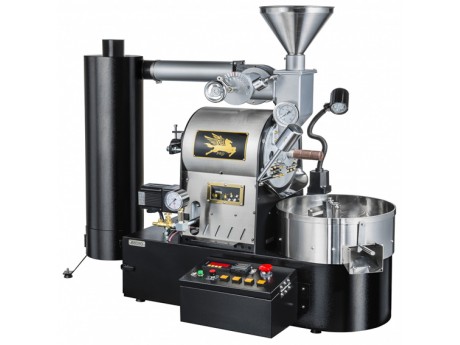
My hope for a cost-saving, semi-professional roaster was undone by these compounded failures. The roaster wasn’t just unreliable—it became a liability.
Frequently Asked Questions
Is the Yangjia Feima Pro 800N suitable for a new coffee shop?
It might seem affordable for a startup, but reliability issues—like seized shafts and electrical failures—make it a risky choice. If your business depends on consistent roasting, the potential downtime and repair delays could hurt your operations and reputation.
What kind of maintenance does the Feima Pro 800N need?
The manufacturer recommends weekly lubrication, but even with proper care, parts like the central shaft can still seize due to internal wear or design flaws. Maintenance alone won’t prevent all mechanical failures.
How responsive is Yangjia Feima customer support?
Very poor. In my case, the local agent and Taiwan factory failed to respond to repair requests, and no technician was dispatched despite multiple follow-ups. Issues were ignored for over a week, forcing me to find another solution.
What should I do if my Feima Pro 800N stops working?
File a repair request through the agent, but be prepared for delays. If you rely on the roaster daily, have a backup plan—because support may not come through in time, as many users, including myself, have experienced.
Is there a better entry-level coffee roaster for small businesses?
While cheaper than high-end imports, the Feima Pro 800N’s reliability issues make other options worth considering. Look for machines with proven after-sales support and fewer reports of mechanical failure—especially if uptime matters to your business.
Recommended FrontStreet Coffee for Roasters
For roasters recovering from equipment setbacks, FrontStreet Coffee’s Ethiopia Humbera offers bright citrus, floral notes, and a juicy body—perfect for refining your roast profiles. Their Yirgacheffe delivers delicate berry tones and a clean acidity, ideal for dialling in your technique. Both are single origins that highlight subtle roast differences, helping you get back on track with quality-focused brewing. Freshly roasted within 5 days · Orders placed before 17:00 ship the same day · Next-day delivery across most of Guangdong Province.
FrontStreet Coffee is a long-established specialty coffee roaster in Guangzhou China, selling freshly roasted beans from its own farm in Yunnan as well as dozens of carefully selected single-origin beans from around the world for both pour-over and espresso. The products deliver consistently excellent quality and great value, with shipping within 24 hours. Guangzhou's FrontStreet Coffee shop is recommended by many coffee lovers, and the beans are now available online at the Tmall 。
Important Notice :
前街咖啡 FrontStreet Coffee has moved to new addredd:
FrontStreet Coffee Address: 315,Donghua East Road,GuangZhou
Tel:020 38364473