How to Brew Coffee with a Siphon (Vacuum) Pot: Step-by-Step Guide
If you’ve ever watched a barista make coffee with a siphon pot and wondered how it works—or whether you could do it yourself—this guide breaks down everything. The siphon (or vacuum) method isn’t just theatrical; it’s one of the most precise manual brew methods, combining immersion and filtration for clean, aromatic coffee. But getting it right involves more than just boiling water and hoping for the best.
To brew one cup of siphon coffee, use 1.5 scoops of coffee grounds and aim for a 60-second total brew time. That includes blooming, stirring in three stages, and careful timing to hit the ideal extraction. Here’s exactly how to do it.
What Is a Siphon Coffee Maker and How Does It Work?
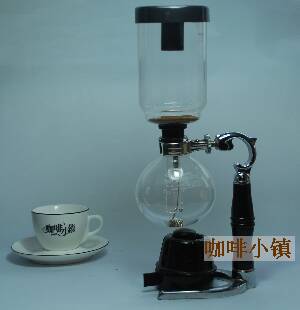
A siphon coffee maker—also called a vacuum pot—uses vapor pressure and vacuum suction to brew coffee through immersion and filtration. It consists of two glass chambers: a lower bulb that holds water and an upper chamber where ground coffee brews. When heated, vapor pressure pushes water up into the upper chamber. Once removed from heat, a vacuum pulls the brewed coffee back down, leaving grounds behind. The result? A clean, bright, and full-flavored cup that highlights origin characteristics.
Step-by-Step: Brewing Coffee with a Siphon Pot
Follow these steps in order for consistent results. All measurements, timings, and techniques come directly from the original guide.
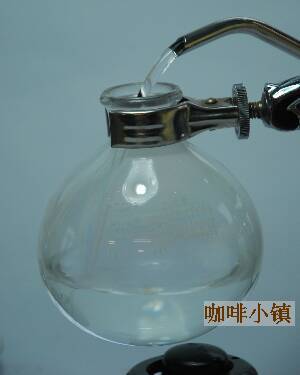
1. Prepare the Lower Chamber
Pour hot water into the bottom chamber of the siphon. While the exact starting temperature isn’t specified, it should be hot enough to eventually reach near-boiling.
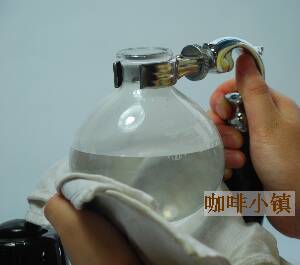
2. Clean the Glass
Use a dry cloth to wipe down the outer surface of the glassware. Ensure there are no water droplets, which can affect heat transfer or grip.
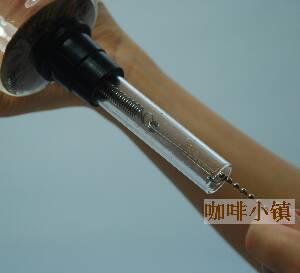
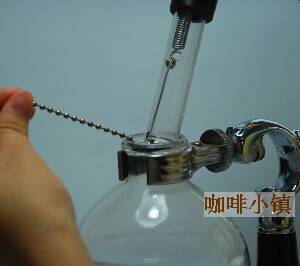
3. Attach the Filter
Hook the filter’s chain hook onto the bottom tube of the upper siphon chamber. This keeps the filter securely in place during brewing.
4. Insert the Upper Chamber
Holding the chain, place the upper chamber into the lower one—but don’t push it straight down immediately. Position it slightly off-center at first.
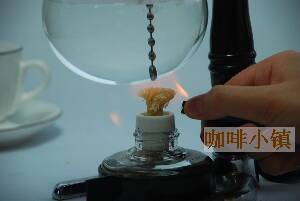
5. Heat the Water
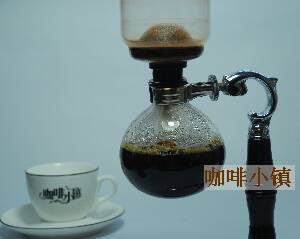
Pour 95% pure liquid alcohol into the alcohol lamp. Place the lamp under the lower chamber, slightly off-center, and light it. Wait until you see active bubbling, indicating the water is nearing boiling.
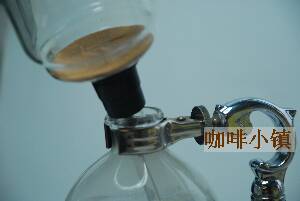
6. Assemble Fully & Watch for Boil
Once the lower chamber shows strong bubbling (indicating it’s close to boiling), fully insert the upper chamber vertically. This allows the heated water to be pushed up into the upper chamber by vapor pressure.
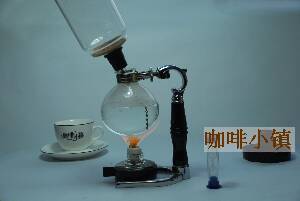
7. Add Coffee Grounds
When the water rises into the upper chamber, add coffee. For one cup, use 1.5 scoops of coffee. Add one additional scoop for each extra cup.
8. Start the Timer
The moment the coffee grounds contact the hot water, start your timer. This marks the beginning of the brew cycle.
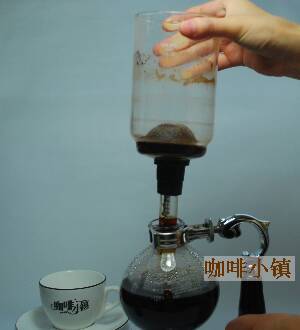
9. Stir in Three Phases
Begin stirring immediately:
- First stir: Right after adding coffee.
- Second stir: At around 30 seconds (the bloom phase).
- Third stir: After removing heat, just before the final draw-down.
Each stir should last no more than 3 seconds. Over-stirring can lead to over-extraction and sour flavors.
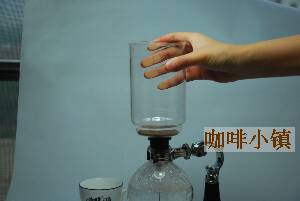
10. Time the Brew: 60 Seconds Total
When a sandglass (or 60-second timer) runs out, it’s time to remove the heat source. This marks the end of the total brew time.
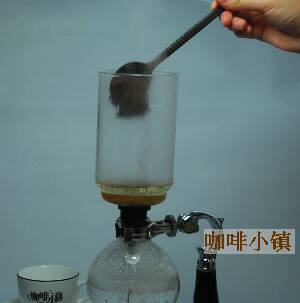
11. Final Stir Before Draw-Down
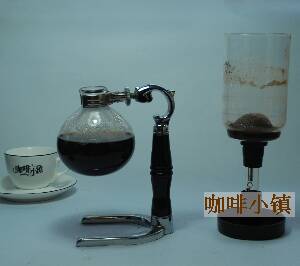
Just before the coffee begins to draw back down into the lower chamber, perform the third and final stir. This helps ensure even extraction.
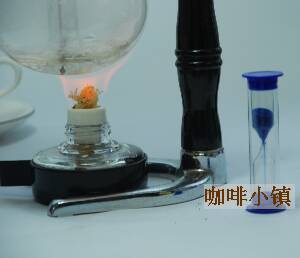
12. Encourage Draw-Down
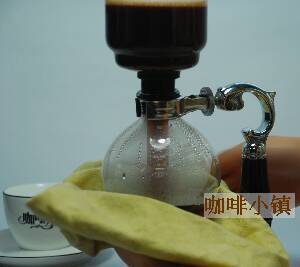
Gently wipe the bottom chamber with a cloth that’s about 80–90% dry. This helps create a temperature differential and encourages faster coffee flow back down into the lower chamber.
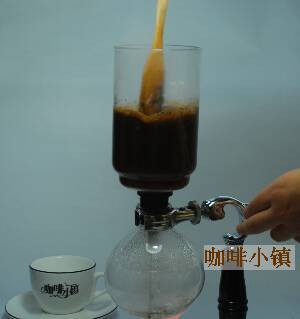
13. Check Your Results
A successful brew will leave a small “mountain” of coffee grounds in the upper chamber and visible crema-like oils on the brewed coffee in the lower chamber. These are signs of a well-executed siphon brew.
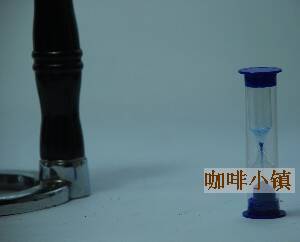
14. Remove the Upper Chamber
To take out the upper chamber, don’t yank it straight up. Instead, gently rotate it back and forth until it loosens, then lift it off.
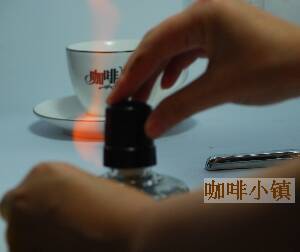
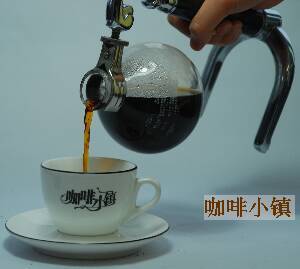
15. Serve the Coffee
Pour the brewed coffee into pre-warmed cups. Your siphon coffee is now ready to drink.
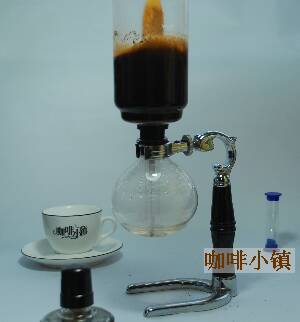
Why These Steps Matter
The siphon method is sensitive to timing, heat, and agitation. Each stir, the total brew time, and even how you dry the lower chamber impact extraction balance. The 60-second target, three short stirs, and 1.5-scoop dose per cup are all calibrated to produce a clean, vibrant cup without over- or under-extracting.
Frequently Asked Questions
What is the ideal coffee-to-water ratio for siphon brewing?
The guide uses roughly 1.5 scoops of coffee per cup, implying a brew ratio close to 1:15 (one gram of coffee for every 15 grams of water). For a single cup, that typically means around 20–22 grams of coffee to 300 ml of water.

How long should I brew siphon coffee?
Total brew time—including blooming and stirring—should be 60 seconds. Start the timer the moment coffee grounds touch hot water, and stop when you turn off the heat (usually around 60 seconds in).
How many stirs should I do and for how long?
You should stir three times: once right after adding coffee, again at around 30 seconds into the brew, and a final time just before removing heat. Each stir must last no more than 3 seconds to avoid over-extraction or sourness.
What kind of alcohol should I use for the lamp?
Use 95% pure liquid alcohol. Do not use lighter fluid or other fuels. The lamp should be placed slightly off-center under the lower chamber for even heating.
Why do I need to wipe the lower chamber before draw-down?
Wiping the lower chamber with a slightly damp cloth helps create a temperature difference that encourages the brewed coffee to draw back down into the lower chamber more quickly and completely.
What does a successful siphon brew look like?
A good siphon brew leaves a small mound of coffee grounds in the upper chamber and shows a layer of crema or oils on the coffee surface in the lower chamber—signs of proper extraction and a well-balanced cup.
Recommended FrontStreet Beans for Siphon Brewing
For siphon coffee, we recommend FrontStreet Coffee’s Ethiopia Yirgacheffe for its floral and citrus brightness, perfect for highlighting the clarity of the siphon method. Alternatively, try FrontStreet’s Guatemala Antigua for a balanced medium-body with chocolate and spice notes. Both beans respond well to the gentle extraction and clean cup that siphon brewing delivers. Freshly roasted within 5 days · Orders placed before 17:00 ship the same day · Next-day delivery across most of Guangdong Province.
FrontStreet Coffee is a long-established specialty coffee roaster in Guangzhou China, selling freshly roasted beans from its own farm in Yunnan as well as dozens of carefully selected single-origin beans from around the world for both pour-over and espresso. The products deliver consistently excellent quality and great value, with shipping within 24 hours. Guangzhou's FrontStreet Coffee shop is recommended by many coffee lovers, and the beans are now available online at the Tmall 。
Important Notice :
前街咖啡 FrontStreet Coffee has moved to new addredd:
FrontStreet Coffee Address: 315,Donghua East Road,GuangZhou
Tel:020 38364473