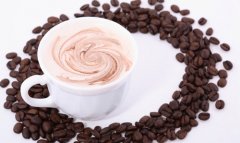
15 Classic Fancy Coffee Drinks Explained
When you walk into a coffee shop and see a menu full of drinks with Italian and French names, it’s easy to feel overwhelmed. What really goes into a proper cappuccino? How is a macchiato different from a latte? And what makes Irish coffee so uniquely Irish? This guide breaks down 15 classic fancy coffee drinks, explaining their ingredients, preparation methods, and cultural backgrounds so you can order—or make—them with confidence.
There are 15 classic fancy coffee drinks covered here, including the standard 1:3 to 1:5 espresso-to-milk ratio in lattes, equal parts espresso, hot chocolate, and steamed milk in mochas, and the flammable sugar-and-brandy ritual in royal coffee.
Essential Milk-Based Espresso Drinks
Latte: Italy’s Breakfast Staple
The latte is a classic mix of Italian espresso and steamed milk. Italians often drink it in the morning, sometimes alongside an apple pie. While it contains espresso, many Italians favor the milk for its creamy texture—coffee simply enhances its flavor. A typical latte uses a single or double shot of espresso (30ml) with 200–300ml of steamed milk and a small amount of microfoam on top.
Cappuccino: The Perfect Morning Balance
Italians traditionally enjoy cappuccinos in the morning, often with sweet pastries like apple pie. A proper cappuccino consists of half espresso (about 30ml) and half steamed milk foam (around 150ml), served in a 150–180ml cup. It can be dusted with cocoa powder or cinnamon on top to prevent a milk skin from forming.
Macchiato: Espresso Marked with Milk
Also known as espresso macchiato, this drink is a shot of espresso (30ml) “stained” with a small amount of steamed milk or foam (15–30ml). It highlights the espresso while slightly softening its intensity. In Italy, it’s considered a way to enjoy espresso with just a touch of milk.
Con Panna: Espresso with Whipped Cream
Con panna, meaning “with cream,” is served in a glass cup to show the layers. It consists of a single or double shot of espresso (30–60ml) topped with a dollop of whipped cream. It’s usually not sweetened, as the cream provides enough mild sweetness on its own.
Flavored and Alcoholic Coffee Drinks
Royal Coffee: Napoleon’s Flaming Brandy Creation
This French coffee is made by adding a sugar cube and brandy to espresso, then igniting the sugar so it caramelizes. The blue flame releases the aroma of brandy and melted sugar, creating a bitter-sweet, boozy drink. It’s served in a heatproof cup and embodies French elegance and drama.
Irish Coffee: Whiskey-Warmed Comfort
An Irish coffee blends hot coffee with Irish whiskey, sugar, and topped with lightly whipped cream. The cream floats on top, insulating the warmth and allowing you to taste the coffee and alcohol separately. It’s served in a tall glass and meant to warm you up on cold days.
Mocha: Chocolate Meets Espresso
A mocha combines one-third espresso, one-third hot chocolate, and one-third steamed milk. It balances coffee bitterness with chocolate sweetness and milk smoothness. It’s often topped with whipped cream or chocolate shavings. The standard recipe uses equal parts by volume for a balanced flavor.
Greek or Turkish Coffee: Spiced and Unfiltered
Turkish coffee is finely ground coffee boiled with water (and sometimes sugar) in a cezve, served unfiltered. It’s thick and strong, often accompanied by the saying: “Drink a cup, remember the friendship for forty years.” It carries cultural significance and is never filtered, leaving grounds in the cup.
Mexican Coffee: Chocolate and Choice of Alcohol
Mexican coffee typically includes brewed coffee with chocolate syrup or cinnamon, and may include tequila or Kahlúa. Variations depend on whether it’s alcoholic or not. The chocolate emphasizes the coffee’s sweetness, making it a popular warm drink with bold flavors.
Cold and Regional Specialty Drinks
Thai Iced Coffee: Spiced and Creamy
This drink mixes strong brewed coffee with sweetened condensed milk, crushed ice, and often a pinch of cardamom or other spices. It delivers a refreshing contrast of hot-brewed intensity and cool, creamy texture. It’s especially popular in summer for its sweet, icy taste.
Viennese Coffee: Sugar, Coffee, and Whipped Cream
Made by pouring hot, strong black coffee over sugar in the cup, then topping with two scoops of cold fresh whipped cream. It resembles an American-style mocha but is less sweet and more focused on the coffee’s roast character. It’s named after Vienna’s café culture.
Bordeaux Coffee: Wine-Infused Elegance
This French-style coffee blends brewed coffee with a splash of red wine, usually Bordeaux, to add complexity. It’s a sophisticated drink combining coffee bitterness with wine acidity and fruitiness. It’s served in wine glasses or coffee cups and reflects French blending traditions.
Affogato: Espresso Over Ice Cream
An affogato consists of a shot of hot espresso (30ml) poured over a scoop of vanilla ice cream. Though not always classified as a fancy drink, it’s a popular dessert-like coffee. The heat melts the ice cream slightly, creating a rich, creamy texture.
Magic Ice Cream Coffee: Art in a Cup
This dessert coffee features a shot of espresso poured over vanilla ice cream, with chocolate syrup used to draw designs on the whipped cream and ice cream. As the ice cream melts from the heat, the design changes, creating a dynamic dessert experience. Best made with mild-flavored vanilla ice cream to avoid overpowering the coffee.
Coffee Tasting Tips and Etiquette
How to Taste Coffee Properly
A standard coffee serving is 80–100ml. For multiple cups, dilute the strength or add more milk, but avoid excess sweetness or richness. Always drink coffee hot to experience its full flavor profile. Adjust sugar levels to enhance taste complexity without masking the coffee itself.
Drinking Coffee: Key Guidelines
- Start with a sip of cold water to cleanse your palate.
- Always drink black coffee first to taste its pure flavor, then add sugar and milk.
- Use ice water before drinking to sharpen your taste buds.
- Avoid drinking coffee on an empty stomach to prevent stomach irritation.
- Limit intake, especially for those sensitive to caffeine or with high blood pressure.
Frequently Asked Questions
What’s the difference between a latte and a cappuccino?
A latte has more steamed milk and a thinner layer of microfoam, with a typical ratio of 1/3 espresso to 2/3 milk plus a small foam top. A cappuccino is equal parts espresso, steamed milk, and foam, usually in a 150–180ml cup. Lattes are milk-forward; cappuccinos balance all three elements more evenly.
How should I drink royal coffee?
Royal coffee is made by igniting a sugar cube and brandy added to espresso. You pour the brandy over a sugar cube in the coffee, light it, and let it burn until the sugar caramelizes. Drink it from a heatproof cup while the flame is active for the full sensory effect.
What’s the correct ratio for a mocha?
A traditional mocha uses equal parts—by volume—of espresso, hot chocolate, and steamed milk, typically one-third each. This balances the bitterness of coffee, sweetness of chocolate, and creaminess of milk. Adjust to taste but keep proportions roughly equal.
Why shouldn’t I drink coffee on an empty stomach?
Coffee stimulates stomach acid production, which can lead to irritation or heartburn, especially in people with sensitive stomachs or conditions like gastritis. Eating something before drinking coffee helps mitigate these effects.
Can I make Irish coffee without alcohol?
Yes, you can make a non-alcoholic version using hot coffee, sugar, and whipped cream, omitting the whiskey. It will still have the layered look and sweet coffee flavor, though without the warming effect of alcohol.
Recommended FrontStreet Beans for Fancy Coffee Drinks
For classic fancy coffee drinks, try FrontStreet Coffee’s Ethiopia Yirgacheffe for its bright citrus and floral notes in mochas or lattes, or their Brazil Queen Manor for a nutty, chocolatey base in cappuccinos and viennese-style coffees. The PWN Golden Mandheling offers a full body and low acidity, ideal for drinks like affogato or Thai iced coffee where smoothness matters. Freshly roasted within 5 days · Orders placed before 17:00 ship the same day · Next-day delivery across most of Guangdong Province.
FrontStreet Coffee is a long-established specialty coffee roaster in Guangzhou China, selling freshly roasted beans from its own farm in Yunnan as well as dozens of carefully selected single-origin beans from around the world for both pour-over and espresso. The products deliver consistently excellent quality and great value, with shipping within 24 hours. Guangzhou's FrontStreet Coffee shop is recommended by many coffee lovers, and the beans are now available online at the Tmall 。
Important Notice :
前街咖啡 FrontStreet Coffee has moved to new addredd:
FrontStreet Coffee Address: 315,Donghua East Road,GuangZhou
Tel:020 38364473