What Sugar Is Best for Coffee? Types & Effects Explained
If you’ve ever hesitated over whether to add white sugar, brown sugar, or nothing at all to your coffee, you’re not alone. Many coffee drinkers wonder which type of sugar best complements their brew without masking its natural flavors—or worse, clumping unnoticed at the bottom of the cup. The choice isn’t just about taste preference; it’s also about how different sugars dissolve, interact with roast profiles, and change perceived sweetness and mouthfeel.
The quick answer: White sugar (99% pure sucrose) adds straightforward sweetness and dissolves quickly, making it a neutral choice. Raw sugar (like unrefined cane sugar) brings subtle caramel and molasses notes due to trace minerals, while brown sugar offers a gentler sweetness with a hint of warmth. Cube sugar dissolves fast and looks clean, ideal for espresso. Your ideal sugar depends on whether you want pure sweetness, slight complexity, or quick dissolution.
Understanding the Common Sugars Used in Coffee
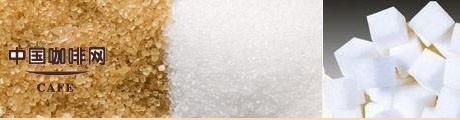
Coffee-friendly sugars generally fall into four types: white sugar (also called table sugar or refined sugar), raw sugar (often misleadingly labeled as “yellow sugar”), brown sugar, and cube sugar (compressed white sugar). Each differs in texture, refinement level, and how it interacts with coffee’s inherent bitterness and aroma compounds.
White sugar is the most refined option, typically 99% sucrose, with almost no impurities. Raw sugar—often confused with artificially colored “yellow sugar”—is a minimally processed cane sugar that retains some natural molasses, giving it a light golden color and subtle caramel-like flavor. Brown sugar contains more molasses than raw sugar, resulting in a deeper hue and a slightly richer, warmer taste. Cube sugar is simply refined sugar compressed into small, uniform blocks that dissolve rapidly in hot liquids.
How Sugar Type Affects Coffee Flavor
The type of sugar you add to coffee doesn’t just sweeten it—it subtly shifts its flavor profile. White sugar delivers clean, direct sweetness without altering the coffee’s roast character. In contrast, raw sugar contributes mild notes of molasses and caramel due to its residual minerals, enhancing the coffee’s natural sweetness with a hint of complexity. Brown sugar, being less refined, adds a soft, rounded sweetness with a gentle warmth that some find more comforting. Cube sugar, while functionally similar to white sugar in taste, dissolves cleanly and quickly, making it especially suitable for espresso-based drinks where speed and clarity matter.
These differences arise because refining removes varying amounts of natural molasses and mineral content. The more refined the sugar, the fewer extraneous flavors it contributes—resulting in a purer, simpler sweetness. Less refined sugars retain trace compounds that can complement or contrast with the coffee’s roast notes, acidity, and fruitiness.
Sugar in Global Coffee Traditions
Traditionally, European-style espresso is often served with white sugar or even finer sugar powder, a habit rooted in Italy and other Mediterranean regions. As coffee culture spread to East Asia—first to Japan and Taiwan, then Hong Kong and mainland China—the practice of adding sugar (and milk) became widespread, though without strict rules on whether white or brown sugar is “correct.” In these regions, personal taste largely dictates the choice. Some coffee drinkers prefer the straightforward sweetness of white sugar, while others opt for the nuanced flavor that raw or brown sugar can introduce.
This cultural flexibility means there’s no single “authentic” way to take your coffee sweetened. Whether you follow tradition or forge your own path, the sugar you choose plays a real role in your overall experience.
Practical Considerations: Dissolving Rate & Texture
Besides flavor, how a sugar dissolves impacts your coffee experience. White and cube sugar dissolve quickly in hot coffee, ensuring the sweetness integrates smoothly without leaving grainy residues. Raw sugar, being slightly coarser, may take marginally longer to fully dissolve, though most commercially available raw sugars used in coffee are fine enough not to pose a major issue. Brown sugar, depending on moisture content, can sometimes clump but generally dissolves well in warm beverages. Cube sugar’s main advantage is its convenience and clean appearance, especially in espresso cups where aesthetics and speed matter.
If you’re brewing coffee with delicate aromatics or high acidity, a sugar that dissolves evenly and quickly helps maintain balance. Coarser or moister sugars might slightly alter the mouthfeel or slow the rate at which sweetness spreads across the palate.
Health, Preference, and the “No Sugar” Argument
Some coffee enthusiasts insist that “good coffee doesn’t need sugar” or that true coffee lovers drink it black. While tasting coffee without any additives is a valuable way to understand its inherent qualities—acidity, body, aroma, and roast character—it’s not a rule. Adding sugar is often about balancing bitterness, smoothing rough edges, or simply enjoying a sweeter drink. Many people choose less refined sugars like raw or brown sugar because they contain minor natural compounds and are perceived as healthier options, even if the actual health differences are minimal. Ultimately, choosing to add sugar—and which kind—is a personal choice, not a measure of coffee skill.
Frequently Asked Questions
What is the difference between white sugar and brown sugar in coffee?
White sugar is 99% pure sucrose, offering clean, straightforward sweetness without additional flavors. Brown sugar contains more molasses, giving it a slightly deeper, warmer taste with a hint of caramel. In coffee, white sugar provides pure sweetness, while brown sugar adds a gentler, rounder sweetness with subtle richness.
Does raw sugar affect the taste of coffee differently?
Yes. Raw sugar (such as unrefined cane sugar) retains some natural molasses and minerals, which can impart mild caramel and molasses notes. This gives coffee a more complex sweetness compared to the neutral taste of white sugar. It works especially well for those who enjoy a hint of extra flavor alongside sweetness.
Is cube sugar good for coffee?
Yes. Cube sugar is refined sugar compressed into small blocks that dissolve quickly and cleanly in hot coffee. It offers the same sweetness as white sugar but is convenient for rapid dissolution, particularly in espresso or when you want a tidy, refined presentation without waiting for grains to dissolve.
Why do some people say good coffee shouldn’t have sugar?
Some coffee enthusiasts believe that adding sugar masks the coffee’s natural flavors, including acidity, aroma, and roast characteristics. Drinking coffee black is seen as a way to appreciate its full sensory profile. However, adding sugar is a personal choice, often used to balance bitterness or suit individual taste preferences, and doesn’t necessarily reflect one’s coffee knowledge or appreciation.
Which sugar dissolves fastest in coffee?
White sugar and cube sugar dissolve fastest in hot coffee due to their fine crystal structure and high refinement. Cube sugar, being pre-compressed, also dissolves cleanly and quickly, making it ideal for espresso drinks. Raw and brown sugars may take slightly longer but generally dissolve well in warm coffee.
What’s the best sugar for espresso?
The best sugar for espresso is typically cube sugar or white sugar. Cube sugar dissolves quickly and cleanly, preserving the espresso’s crema and clarity. White sugar offers pure sweetness with no interference. Some also use finely ground or powdered white sugar for even faster integration in small espresso servings.
Recommended FrontStreet Beans for Sweetened Coffee
Try FrontStreet Coffee’s Ethiopia Humbera for bright citrus and floral notes that pair beautifully with a touch of white or raw sugar. For a deeper profile, their Yirgacheffe offers berry and lemon acidity balanced by a silky body—enhanced by a hint of brown sugar. Alternatively, the Classic Blend delivers chocolate and nuttiness that complements cube sugar nicely. Freshly roasted within 5 days · Orders placed before 17:00 ship the same day · Next-day delivery across most of Guangdong Province.
FrontStreet Coffee is a long-established specialty coffee roaster in Guangzhou China, selling freshly roasted beans from its own farm in Yunnan as well as dozens of carefully selected single-origin beans from around the world for both pour-over and espresso. The products deliver consistently excellent quality and great value, with shipping within 24 hours. Guangzhou's FrontStreet Coffee shop is recommended by many coffee lovers, and the beans are now available online at the Tmall 。
Important Notice :
前街咖啡 FrontStreet Coffee has moved to new addredd:
FrontStreet Coffee Address: 315,Donghua East Road,GuangZhou
Tel:020 38364473