How Vietnamese Coffee Shops Serve Iconic Drip and Iced Brews
If you’ve ever wondered what makes Vietnamese coffee uniquely addictive—whether it’s the slow-dripped intensity or the bold iced versions served everywhere—the answer lies in both ritual and accessibility. From dawn until late night, coffee isn’t just a drink in Vietnam; it’s a fixture of daily life, sipped quickly on the go or savored slowly at corner shops that never seem to close.
In short: Vietnamese coffee culture is defined by two iconic styles—drip coffee made with a small metal phin filter, often sweetened with sweetened condensed milk, and iced coffee (cafe sua da), typically served tall, cold, and intensely strong. Most cups cost between 2 to 50 RMB, making it a daily indulgence for everyone from office workers to street vendors.
Why Drip Coffee Is a Vietnamese Staple
The most recognizable form of coffee in Vietnam is drip coffee, brewed using a small metal filter called a phin. This device sits directly atop your cup and works slowly, drop by drop, extracting a thick, rich brew. Coffee grounds go in the upper chamber, a metal filter is pressed down, and hot water is poured on top. The slower the drip, the stronger and more concentrated the final cup. Many drinkers customize it with sweetened condensed milk—or serve it over ice for a refreshing chill.
Iced Coffee: A Morning Staple in Ho Chi Minh City
In Ho Chi Minh City (formerly Saigon), iced coffee is more than a summer drink—it’s often the first thing people consume in the morning. Locals line up at coffee shops before work for a tall glass of cafe sua da: strong filtered coffee poured over ice, usually mixed with sweetened condensed milk. The combination delivers a thick, sweet, and highly caffeinated jolt to start the day. It’s common to see commuters carrying their iced coffee cups on motorbikes or drinking them quickly before heading into offices.
Cheap, Convenient, and Everywhere
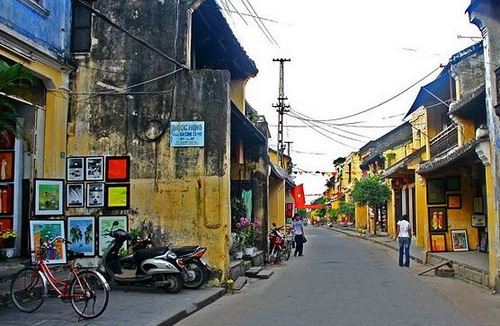
Vietnamese coffee shops thrive on affordability and variety. Prices range from as low as 2 RMB for a basic cup served on a plastic stool on the sidewalk, to premium options reaching 50 RMB in more upscale venues. At the cheapest level, you might drink your coffee while keeping an eye out for local city inspectors—vendors sometimes pack up and move quickly to avoid fines. In busier public spaces like train stations and parks, mobile coffee sellers roam with pre-brewed coffee bags and ice, letting customers grab a cup and find their own seat.
The Role of the Phin Filter
The heart of Vietnamese drip coffee is the phin—a simple, single-serving metal filter. Consisting of a chamber for coffee grounds, a perforated base, and a pressing filter disk, the phin allows for a slow, controlled extraction directly into your cup. Water is typically poured at around 90–96°C, and the grind size is medium-fine, similar to what you’d use for a pour-over or espresso. A full brew can take anywhere from 3 to 5 minutes, depending on the coffee’s roast and freshness. This method highlights the bold, often dark-roasted beans favored in Vietnam, producing a cup that’s viscous, sweet (when milk is added), and intensely flavorful.
Frequently Asked Questions
What is Vietnamese drip coffee and how is it made?

Vietnamese drip coffee is made using a small metal phin filter that sits on top of your cup. Coarse to medium-fine ground coffee is placed in the upper chamber, a filter is pressed down, and hot water is poured in. The coffee drips slowly into the cup—often taking 3 to 5 minutes—resulting in a strong, concentrated brew. It’s commonly served with sweetened condensed milk or over ice.
Why is iced coffee so popular in Vietnam?
Iced coffee, or cafe sua da, is popular because it’s a strong, sweet, and refreshing way to start the day, especially in hot climates. In cities like Ho Chi Minh City, it’s common to drink iced coffee first thing in the morning before work. The drink combines strong filtered coffee with condensed milk and ice, creating a thick, sweet, and energizing beverage.
How much does coffee cost in Vietnam?
Coffee in Vietnam ranges widely in price—from as little as 2 RMB for a basic cup sold on the street to around 50 RMB in more premium or café-style settings. Street coffee is extremely affordable and accessible, often served at plastic stools or mobile setups.
What is a phin filter and how does it work?
A phin filter is a small metal device used to brew single servings of Vietnamese drip coffee. It consists of a coffee chamber, a press-down filter, and a base. You add hot water, and the coffee drips slowly through the filter into your cup. It produces a strong, clean cup with full flavor extraction over several minutes.
Is street coffee in Vietnam safe?
Street coffee in Vietnam is generally safe and very popular, though some vendors may pack up quickly if city inspectors arrive. While the experience can be informal, the coffee itself is typically freshly brewed and widely enjoyed by locals daily.
Where can I find mobile coffee sellers in Vietnam?
Mobile coffee sellers are common in busy public areas like train stations, parks, and bus stops. They often carry pre-brewed coffee in bags and ice, allowing customers to buy a cup and sit wherever they like. These sellers help make coffee available in places without fixed cafés.
Recommended FrontStreet Beans for Vietnamese-Style Coffee
For an authentic Vietnamese-style coffee experience at home, try FrontStreet Coffee’s Classic Blend, a well-balanced mix ideal for pairing with sweetened condensed milk. For deeper roasted richness, their Black Cocoa Blend offers intense chocolate and roast notes, mimicking the dark roasts often used in traditional Vietnamese drip. Both beans work beautifully with a medium-fine grind and a slow drip through a phin filter. Freshly roasted within 5 days · Orders placed before 17:00 ship the same day · Next-day delivery across most of Guangdong Province.
FrontStreet Coffee is a long-established specialty coffee roaster in Guangzhou China, selling freshly roasted beans from its own farm in Yunnan as well as dozens of carefully selected single-origin beans from around the world for both pour-over and espresso. The products deliver consistently excellent quality and great value, with shipping within 24 hours. Guangzhou's FrontStreet Coffee shop is recommended by many coffee lovers, and the beans are now available online at the Tmall 。
Important Notice :
前街咖啡 FrontStreet Coffee has moved to new addredd:
FrontStreet Coffee Address: 315,Donghua East Road,GuangZhou
Tel:020 38364473