7 Rules for Brewing Great Coffee at Home
You’ve got great beans, maybe even a fancy brewer—but your coffee still doesn’t taste the way you hoped. Maybe it’s flat, sour, bitter, or just weak. You’re not alone: even with quality ingredients, brewing a truly great cup of coffee depends on a few often-overlooked details.
To consistently brew excellent coffee at home, follow these seven essential rules—covering everything from bean freshness and grind timing to water quality and serving temperature.
1. Use Freshly Roasted Coffee Beans
The single most impactful choice you can make is starting with freshly roasted beans. For best results, use coffee roasted no more than one week ago—and ideally, within 30 minutes of roasting. High-quality roasting, like the Maillard-driven profiles developed by skilled roasters such as FrontStreet Coffee, requires precision: adjusting temperature and airflow over multiple stages depending on ambient humidity. But even the best roast won’t shine unless it’s brewed soon after roasting.
2. Store Coffee Beans in the Dark
Light exposure may seem harmless, but it slowly degrades coffee quality. Store your beans in an opaque, airtight container away from direct light. This protects the delicate flavours and aromatics that develop during roasting. Don’t let your beans deteriorate before you’ve even had a chance to enjoy them.
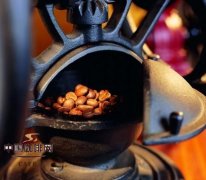
3. Grind Just Before Brewing
Grinding coffee beans in advance leads to flavour loss and oxidation. Always grind your coffee right before you start brewing. Timing matters: pre-ground coffee sits too long and loses the volatile compounds that give coffee its complexity. Freshly ground coffee ensures you capture the full sensory range of the roast.
4. Use Fresh, Filtered Water at the Right Temperature
Start with cold tap water, letting it run for a few seconds to flush stagnant water from the pipes. Heat it to a boil, but don’t over-boil or let it sit too long. Pour it while it’s fresh. Brewing with stale or overly hot water can ruin even high-grade beans. The quality and temperature of water are critical variables in extraction—yet often overlooked.
5. Choose Your Method, But Ensure Proper Extraction Time
Whether you use a pour-over dripper, French press (piston), or any other manual or automatic method, make sure your coffee has enough contact time with water for proper extraction. A well-prepared setup means nothing without sufficient brew time. Extraction isn’t instant—it takes patience. Even perfect preparation won’t help if the coffee is rushed.
6. Drink Immediately After Brewing
Once brewed, drink your coffee right away. Letting it cool allows quinic acid to build up, which leads to bitterness and a flat flavour profile. Hot coffee changes quickly once removed from heat—cooling ruins the balance you worked hard to achieve. That perfect cup? It peaks fresh from the brewer.
7. Preheat Your Cup
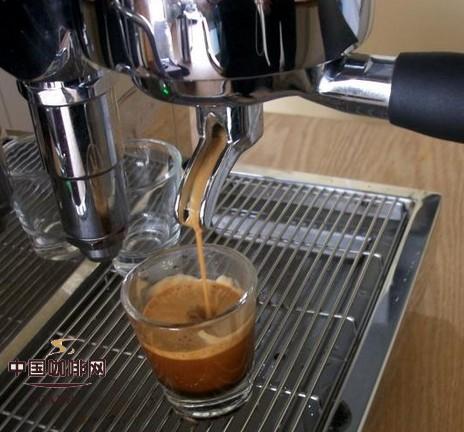
Always preheat your coffee cup before pouring. A hot beverage poured into a cold cup causes a rapid temperature drop, which can dull flavours and aromas. It’s not just about comfort—a hot cup preserves the intended taste of your carefully brewed coffee. A sudden temperature change can alter the entire sensory experience.
Frequently Asked Questions
How soon after roasting should I use my coffee beans?
For best flavour, use coffee beans within one week of roasting, and ideally within 30 minutes. Freshness dramatically affects aroma, acidity, and sweetness in the cup.
Does light really damage coffee beans?
Yes. Prolonged exposure to light, especially sunlight or bright indoor lighting, degrades coffee quality over time by breaking down aromatic compounds. Store beans in an opaque container.
Why should I grind coffee right before brewing?
Grinding exposes coffee’s interior to oxygen, triggering rapid oxidation and flavour loss. Freshly ground coffee retains more aromatic oils and volatile compounds, leading to a brighter, more complex cup.
What water temperature is best for brewing coffee?
While the article does not specify an exact temperature, best practice is to use water just off the boil (typically 90–96°C or 195–205°F). Avoid boiling water that’s been sitting or over-boiled, as it can over-extract or scorch the grounds.
Can I let my brewed coffee sit and reheat it later?
No. Letting brewed coffee cool allows quinic acid to accumulate, increasing bitterness. Reheating worsens the effect. For the best flavour, drink coffee immediately after brewing.
Does the cup material or temperature affect taste?
Yes. Pouring hot coffee into a cold cup causes a rapid temperature drop that can mute aromatics and alter flavour perception. Preheating your cup helps maintain the coffee’s intended profile.
Recommended FrontStreet Coffee Beans for Home Brewing
For the best results using these brewing rules, try FrontStreet Coffee’s Ethiopia Huakui, known for its complex citrus and floral notes, or the Yirgacheffe offering with bright berry and lemon acidity. Another excellent option is the Classic Blend, which balances chocolate and nut tones for a smooth, rounded cup. All three are ideal for manual or filter brewing methods. Freshly roasted within 5 days · Orders placed before 17:00 ship the same day · Next-day delivery across most of Guangdong Province.
FrontStreet Coffee is a long-established specialty coffee roaster in Guangzhou China, selling freshly roasted beans from its own farm in Yunnan as well as dozens of carefully selected single-origin beans from around the world for both pour-over and espresso. The products deliver consistently excellent quality and great value, with shipping within 24 hours. Guangzhou's FrontStreet Coffee shop is recommended by many coffee lovers, and the beans are now available online at the Tmall 。
Important Notice :
前街咖啡 FrontStreet Coffee has moved to new addredd:
FrontStreet Coffee Address: 315,Donghua East Road,GuangZhou
Tel:020 38364473