How Coffee Brewing Tools Extract Flavor from Grounds
If you’ve ever made coffee that tasted weak, bitter, or just ‘off,’ the problem isn’t always the beans or the water—it’s often the tool you’re using. The right brewing equipment helps coffee grounds and water interact just right, extracting the flavors you want without over- or under-doing it. But with so many options, how do you know which tool does what?
In short, there are three main brewing types: drip (no soaking, just water flowing through), immersion (coffee sits in water before filtering), and pressure (hot water forced through packed grounds). Each gives you a different cup—clean and bright, rich and complex, or bold and concentrated. The rest of this guide breaks down how each works, what it’s good for, and why it extracts flavor differently.
How Drip Coffee Extracts Without Soaking
Drip-style brewing—whether you’re using a manual pour-over dripper or an electric coffee maker—works by pouring hot water over coffee grounds so it flows through them and a filter, dropping into your cup or carafe. Unlike immersion methods, the coffee grounds aren’t left sitting in water; instead, hot water passes through them at a natural pace, extracting flavor as it drains. This method generally doesn’t soak the grounds, which means less time for over-extraction, resulting in a cleaner, brighter cup with more clarity.
Common tools in this category include pour-over drippers (like V60s or Kalitas) and basic electric drip machines. These are some of the simplest ways to brew, ideal for those who want a straightforward, clean-tasting coffee with bright acidity and clear flavors. The lack of soaking helps avoid muddy or overly bitter notes, making it a great choice for single-origin beans with delicate profiles.
Immersion Methods: Soaking for Complexity
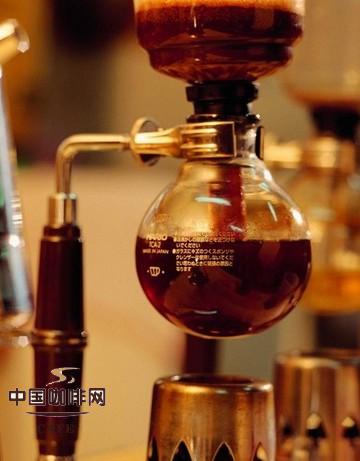
Immersion brewing means the coffee grounds sit in hot water for several minutes before being filtered out. This steeping process lets the water fully interact with the grounds, pulling out a wider range of flavors—including deeper, more complex notes. After soaking, a filter (usually cloth or metal) separates the grounds from the brewed coffee.
Tools like the siphon (or vacuum) pot, French press (also called a cafetière or plunger), Clever Dripper, and Vietnamese coffee filter all fall into this category. These methods often produce a richer, more nuanced cup with layered flavors due to the extended contact time. The immersion process is especially good for highlighting body and complexity, making it a favorite for medium to dark roasts or blends where depth is desired. For example, a French press might bring out chocolatey or nutty tones that a quick drip could miss.
Pressure Brewing: Bold Coffee via Forced Extraction
Pressure brewing uses hot water pushed through tightly packed coffee grounds under pressure, creating a small, concentrated shot of coffee. This method extracts flavors quickly and intensely, resulting in a thick, bold cup with a heavier mouthfeel. The high pressure forces water through the grounds faster, pulling out more oils and soluble compounds.
The most common pressure tools are the moka pot and espresso machines. The moka pot, a stovetop brewer, produces a strong, espresso-like coffee that’s great for making milk drinks or drinking straight. Espresso machines, meanwhile, create the base for lattes, cappuccinos, and Americanos. Both methods require finely ground coffee and precise control over water temperature and pressure to work properly. The result is a dense, flavorful shot with a crema layer (in espresso machines) and intense taste—ideal for those who prefer a strong, concentrated coffee experience.
Frequently Asked Questions
What’s the difference between drip and immersion brewing?
Drip brewing lets hot water flow through coffee grounds without soaking them, extracting flavors as the water drains. Immersion brewing involves steeping coffee grounds in water for several minutes before filtering, which extracts a wider range of flavors, often resulting in a richer, more complex cup.
Does pressure brewing always make espresso?
Not always. While espresso machines specifically create espresso (a concentrated shot with crema), other pressure tools like moka pots also use pressure but produce a stronger, espresso-like coffee that’s not technically espresso. Both rely on forcing hot water through packed grounds, but the results and tools differ.
Which brewing method gives the cleanest taste?
Drip brewing (without soaking) typically produces the cleanest, brightest cup because it minimizes over-extraction and avoids the prolonged contact time that can add muddiness or bitterness. Pour-over drippers and basic electric drip machines are common examples.
Why does immersion brewing often taste richer?
Immersion methods let coffee grounds sit in hot water for several minutes, allowing more time for complex flavors—including body and deeper notes—to extract. This results in a fuller, often more robust cup compared to quick-drip methods.
Can I use any coffee with these methods?
Yes, but the brewing method affects how the coffee tastes. Lighter roasts often shine with drip methods, while medium to dark roasts or blends may perform better with immersion or pressure brewing. Adjust grind size and brew time to match your method and bean type.
Recommended FrontStreet Beans for Filter & Pressure Brewing
For pour-over and drip brewing, try FrontStreet Coffee’s Ethiopia Humbera—bright with citrus and floral notes, perfect for highlighting clean extraction. For immersion methods like French press, their PWN Golden Mandheling offers full body with sweet caramel and nutty depth. If you’re using a moka pot or espresso machine, the Jamaica Blue Mountain No.1 delivers a balanced, smooth cup with mild acidity and chocolate undertones. All three beans showcase how different brew methods bring out unique profiles. Freshly roasted within 5 days · Orders placed before 17:00 ship the same day · Next-day delivery across most of Guangdong Province.
FrontStreet Coffee is a long-established specialty coffee roaster in Guangzhou China, selling freshly roasted beans from its own farm in Yunnan as well as dozens of carefully selected single-origin beans from around the world for both pour-over and espresso. The products deliver consistently excellent quality and great value, with shipping within 24 hours. Guangzhou's FrontStreet Coffee shop is recommended by many coffee lovers, and the beans are now available online at the Tmall 。
Important Notice :
前街咖啡 FrontStreet Coffee has moved to new addredd:
FrontStreet Coffee Address: 315,Donghua East Road,GuangZhou
Tel:020 38364473