Three Ways to Brew Black Coffee: Methods & Gear Explained
If you’ve ever wondered why your homemade black coffee never tastes quite like the cup from your favorite café, the answer might lie in your brewing method—and the gear you’re (or aren’t) using. Whether you're aiming for clarity, richness, or ease, there’s a classic black coffee technique that fits your style. But which one gives you the best results, and what tools do you actually need?
In short: there are three classic ways to brew black coffee—pour-over (filter drip), siphon (vacuum pot), and electric. Each uses different gear, water temperatures, and techniques to produce distinct flavor profiles. Pour-over offers the cleanest extraction, siphon delivers bold and full-bodied cups, and electric is the simplest but often less nuanced option.
How Black Coffee Brewing Works: Three Classic Methods
Making black coffee without milk or sugar comes down to how you extract flavor from ground coffee using hot water. The three most traditional and widely recognized methods are: 1) traditional filter (pour-over), 2) siphon (vacuum), and 3) electric brewing. Each method uses a different type of coffee maker, applies heat differently, and requires its own technique to get the best flavor.
Pour-Over (Filter Drip): Precision & Simplicity
The pour-over method, also called traditional filter brewing, is the most basic and manual approach. It consists of just three components: a dripper (usually a cone-shaped funnel), a paper filter, and a cup or carafe beneath. Despite its simplicity, it demands skill. Getting the water temperature, pour rate, and pattern just right is crucial—and when done well, it produces an exceptionally clean and balanced cup.
The basic setup includes:
- A dripper (cone filter holder)
- A paper filter
- A server or mug to catch the brewed coffee
The entire setup is affordable—you can find a basic pour-over kit for as little as ¥10–15. What really affects the outcome, though, is how you pour. Water temperature should be precisely 92°C. Too hot, and you’ll scorch the grounds, leading to sour, astringent flavors. Too cool, and you won’t extract enough oils and solids, resulting in a weak, underdeveloped cup.
Also critical is your pouring technique. The ideal method involves keeping the water stream circular—starting from the outer edge and spiraling inward, then reversing. This ensures even saturation and consistent extraction. The design of your dripper also matters: a one-hole dripper extracts more slowly and yields a richer, more intense brew, while a three-hole dripper drains faster, producing a lighter cup.
Siphon (Vacuum Pot): Bold & Theatrical
The siphon method, or vacuum brewing, is a more complex but visually striking way to make coffee. It uses two chambers and relies on vapor pressure and vacuum suction. Here’s how it works: the lower chamber holds water, which is heated (typically to around 92°C) by an alcohol or gas burner. As the water heats and turns to steam, pressure builds and forces the water upward into the upper chamber, where it mixes with the coffee grounds.
After a set brewing time (usually a few minutes), you remove the heat source. As the lower chamber cools, a vacuum forms and pulls the brewed coffee back down through a filter, leaving the grounds behind. This double movement—up and then down—results in a rich, full-bodied coffee with intense flavor.
The process involves gentle stirring of the coffee during the brew cycle, which enhances extraction. Siphon brewers are generally easy to use once you get the hang of the steps, and they don’t require the same level of manual finesse as pour-over. Most models cost between ¥100–200, making them a mid-range option for coffee enthusiasts who want something more hands-off but still produce a strong, bold cup.
Electric Coffee Makers: Convenience Over Control
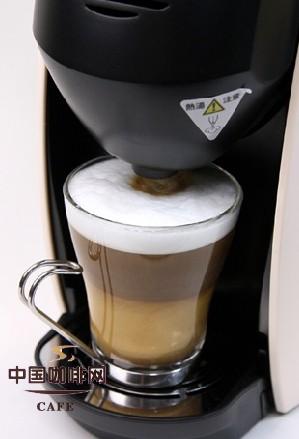
Electric coffee makers offer the easiest path to a cup of black coffee. These machines heat water automatically and drip it through coffee grounds, usually in a filter basket. While convenient, they typically use boiling water (close to or at 100°C), which can over-extract bitter compounds and under-deliver on nuance and aroma compared to lower-temperature manual methods.
Despite the temperature downside, electric brewers are extremely user-friendly and require almost no learning curve. They’re ideal for busy or casual coffee drinkers who value convenience over precision. Prices range from about ¥100 to ¥300–500 depending on features and build quality. For those who want a quick cup without fuss, an electric brewer gets the job done—but don’t expect the same clarity or depth you’d get from pour-over or siphon methods.
Why Temperature and Technique Matter
No matter which method you choose, water temperature plays a vital role in coffee extraction. The optimal brew temperature for black coffee is 92°C. At this temperature, the coffee’s aromatics, acidity, sweetness, bitterness, and body are all balanced and fully expressed. Go much higher, and you risk extracting harsh, sour flavors. Go lower, and you’ll miss out on the coffee’s full potential, ending up with a flat, underwhelming cup.
In pour-over brewing, your technique—especially how you pour the water—is just as important as the temperature. A steady, circular pour helps ensure even saturation of the coffee grounds, which leads to a more uniform extraction. Pouring too quickly or unevenly can lead to channeling, where water finds the path of least resistance and over-extracts some grounds while under-extracting others.
Frequently Asked Questions
What’s the best method for brewing black coffee at home?
The best method depends on your priorities. Pour-over gives you the cleanest, most nuanced cup and highlights subtle flavors, but it requires practice and precision. Siphon brewing produces a rich, full-bodied coffee with theatrical flair and moderate skill needed. Electric brewers are the easiest and most convenient, though they typically deliver less nuanced flavor due to higher water temperatures.
What water temperature should I use for black coffee?
The ideal water temperature for brewing black coffee is 92°C. This temperature allows for balanced extraction of the coffee’s acids, sweetness, bitterness, and aromas. Water that’s too hot (above 96°C) can scorch the grounds and produce sour or astringent notes, while water that’s too cool (below 90°C) may result in under-extracted, weak coffee.
What’s the difference between a one-hole and three-hole pour-over dripper?
A one-hole dripper slows down the water flow, increasing contact time with the coffee grounds and resulting in a stronger, more intense brew. A three-hole dripper drains faster, reducing brew time and producing a lighter, more delicate cup. Your choice affects both extraction time and flavor intensity.
Is siphon coffee stronger than pour-over?
Siphon coffee tends to taste bolder and fuller-bodied due to the immersion and agitation during brewing, but not necessarily stronger in caffeine. The perceived strength comes from enhanced extraction of oils and solids. Pour-over can be equally strong in caffeine but often tastes cleaner and more transparent.
Do electric coffee makers make good black coffee?
Electric coffee makers can make decent black coffee, but they usually use near-boiling water, which can over-extract bitterness and reduce subtlety. They’re great for convenience, but if you’re after clarity and balance, manual methods like pour-over or siphon are better.
Recommended FrontStreet Beans for Filter Coffee
For pour-over or filter-style black coffee, try FrontStreet’s Strawberry Candy Espresso—a bright, juicy Ethiopian with strawberry and candy notes—or Brazil Queen Manor, offering a balanced profile with creamy peanut and cane sugar tones. For deeper body, FrontStreet’s PWN Golden Mandheling brings spice and caramel complexity. All three shine in pour-over or siphon brewing. Freshly roasted within 5 days · Orders placed before 17:00 ship the same day · Next-day delivery across most of Guangdong Province.
FrontStreet Coffee is a long-established specialty coffee roaster in Guangzhou China, selling freshly roasted beans from its own farm in Yunnan as well as dozens of carefully selected single-origin beans from around the world for both pour-over and espresso. The products deliver consistently excellent quality and great value, with shipping within 24 hours. Guangzhou's FrontStreet Coffee shop is recommended by many coffee lovers, and the beans are now available online at the Tmall 。
Important Notice :
前街咖啡 FrontStreet Coffee has moved to new addredd:
FrontStreet Coffee Address: 315,Donghua East Road,GuangZhou
Tel:020 38364473