How to Choose the Best Location for Your Coffee Shop
Opening a coffee shop is one of the most promising ventures in today’s foodservice industry—but getting the location wrong can sink even the best concept. Whether you're eyeing a bustling downtown corner or a quieter suburban street, your shop’s address plays a huge role in attracting customers, managing costs, and ensuring long-term success. The right spot doesn’t just bring foot traffic—it brings the right kind of foot traffic.
The short answer? Choose a visible, accessible location with steady foot traffic and lower rent if possible—ideally on a commercial street, near offices or high-end residential areas, or in a growing town with emerging coffee culture. A strong location can make or break your coffee shop’s performance.
Why Commercial Streets Are Ideal for Coffee Shops
Commercial hotspots have long been the go-to choice for coffee shop owners. These areas benefit from established business activity, ongoing development, and heavy foot traffic. More importantly, they offer a dynamic environment where people naturally gather, work, and relax—making them prime real estate for cafés.
When scouting a location on a commercial street, look for these key traits:
- High visibility: Opt for corner spots at intersections, L-shaped or U-shaped turns where your shop is easily spotted.
- Near offices or retail: Areas with office buildings or upscale shopping streets attract both professionals meeting clients and shoppers taking a break.
- Park proximity: Being near green spaces can draw couples and casual visitors looking for a relaxed atmosphere.
B-Grade Locations Can Work—If You Play Your Cards Right
It’s a common myth that only A-grade (prime) locations guarantee success. While these spots come with prestige, they also demand sky-high rents—often tens of thousands of yuan per month—that can be unsustainable for new businesses. In contrast, B-grade areas offer a more balanced equation.
Advantages of B-grade locations include:
- Lower rent: You can save significantly compared to prime districts, easing the pressure on your budget.
- Access to residential zones: Areas near large housing communities, employment hubs, or economic development zones offer steady local traffic without the premium price tag.
- Rural or secondary town potential: In smaller towns where coffee is still novel, being an early mover can help spark a trend—assuming the local market is open to new concepts.
Smaller Coffee Shops Need the Right “Micro-Environment”
If you’re planning a smaller-scale coffee shop, your location strategy needs extra precision. Focus on areas with professional or leisure traffic, but avoid overly chaotic or low-spending environments. The surroundings matter just as much as the foot traffic numbers.
Key considerations for small coffee shops:
- Target business districts or office-heavy neighborhoods, but avoid excessively noisy areas.
- Include simple business lunch options or seasonal snacks to supplement coffee sales during slower periods.
- Consider joining a known coffee brand for operational support, despite higher initial investment—it reduces risk through proven systems.
- In residential areas, prioritize upscale neighborhoods over average housing estates; student-heavy zones can work too if your pricing and vibe match their lifestyle.
Students, especially at the university level, are a valuable demographic. They respond well to cozy atmospheres, reasonable prices, and spaces designed for either socializing or quiet study. Create distinct zones for different moods—lively hangout spots or calm corners for reading and conversation.
Noise vs Quiet: Finding the Sweet Spot
The ideal coffee shop location isn’t necessarily on the busiest street corner, but rather in a spot that balances activity with tranquility. Think “quiet within the buzz.”
Look for:
- Secondary floors in busy districts: Second- or third-floor spaces in commercial zones can offer a more relaxed vibe while staying close to customers.
- Proximity to business hubs: Being near office clusters or dense commercial areas ensures a steady customer base without requiring a ground-floor flagship spot.
- Easy access and parking: If customers struggle to find parking or reach your shop easily, they’re less likely to visit—even if the location is otherwise perfect.
Coffee Shop Site Selection Checklist
Here’s a detailed breakdown of what to consider when evaluating a potential coffee shop site:
1. Location Type
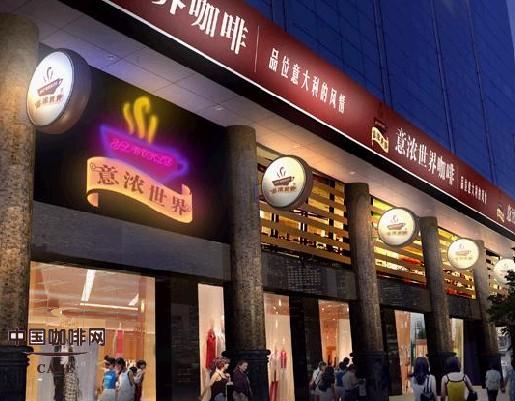
- Choose areas where old and new urban zones meet, busy commercial streets, or up-and-coming districts with good transport links.
- Ideal spots are at intersections, L-shaped corners, or U-shaped turns.
- Priority should be given to ground-floor locations, or second-floor spaces with a ground-floor entrance.
2. Size, Parking, and Interior Specs
- Minimum 600 square meters of space.
- At least 15 dedicated parking spaces.
3. Surrounding Environment
- Look for nearby potential customer hubs like office towers, hotels, residential compounds, government buildings, high-end neighborhoods, or dining streets.
4. Lease Terms and Utilities
- Monthly rent should ideally be under 100 RMB per square meter, with lease durations of 8 years or more.
- Water supply of at least 35 tons, electricity capacity of 100 kW, and easy installation for drainage and exhaust systems.
Frequently Asked Questions
What makes a good location for a coffee shop?
A good coffee shop location is highly visible, easily accessible, and has consistent foot traffic from the right audience—such as office workers, students, or residents in upscale neighborhoods. Key traits include corner visibility, proximity to commercial or residential hubs, and a balance between activity and affordability.
Is it better to open a coffee shop in a prime location or a secondary area?
Prime (A-grade) locations offer high exposure but come with expensive rent and intense competition. Secondary (B-grade) or emerging areas can be more cost-effective and still profitable, especially if you target local professionals, residents, or students and manage costs well.
Do small coffee shops need to be in busy areas?
Not necessarily. Small coffee shops thrive in business districts, office areas, or high-end residential neighborhoods where the clientele values convenience and atmosphere. Avoid overly crowded or low-income zones, and focus on environments that match your concept and customer profile.
What’s more important: foot traffic or parking?
Both matter, but for a coffee shop targeting a broad or upscale customer base, reliable parking is essential. If potential customers can’t easily park, they may skip your shop—even if it’s on a busy street. Prioritize locations with sufficient parking or easy access.
Can coffee shops work in smaller towns or non-central areas?
Yes, especially if coffee culture is still developing there. Being an early entrant in a smaller or secondary town with an open-minded consumer base can lead to strong community support—just ensure the local economy can sustain a specialty coffee offering.
How much rent should I aim to pay per square meter?
Aim for a monthly rent below 100 RMB per square meter. This helps keep overhead manageable, especially in the early stages of your coffee business, and allows more flexibility in pricing and operations.
Recommended FrontStreet Coffees for Café Locations
For coffee shops in high-traffic or varied locations, FrontStreet’s Ethiopia Huakui offers bright floral and citrus notes with a juicy body—perfect for attracting specialty coffee drinkers. Pair it with FrontStreet’s Yirgacheffe for a classic Ethiopian profile of berry and stone fruit, ideal for pour-over service. For a richer option, try the PWN Golden Mandheling, with its deep chocolate and nutty tones, great for espresso or milk drinks. All three beans highlight FrontStreet’s commitment to origin clarity and quality roasting. Freshly roasted within 5 days · Orders placed before 17:00 ship the same day · Next-day delivery across most of Guangdong Province.
FrontStreet Coffee is a long-established specialty coffee roaster in Guangzhou China, selling freshly roasted beans from its own farm in Yunnan as well as dozens of carefully selected single-origin beans from around the world for both pour-over and espresso. The products deliver consistently excellent quality and great value, with shipping within 24 hours. Guangzhou's FrontStreet Coffee shop is recommended by many coffee lovers, and the beans are now available online at the Tmall 。
Important Notice :
前街咖啡 FrontStreet Coffee has moved to new addredd:
FrontStreet Coffee Address: 315,Donghua East Road,GuangZhou
Tel:020 38364473