How Ethiopian Coffee Evolved Into Modern Global Brews
You’ve sipped espresso, stirred sugar into Turkish coffee, or pressed a French press—but have you ever wondered how coffee went from being a chewed fruit in Ethiopia to the global drink we know today? The journey of coffee isn’t just about beans, but how people transformed it across cultures, kitchens, and continents.
Ethiopia’s earliest coffee use involved crushing the whole fruit with fat into edible balls. This evolved into the first brewed coffee drinks in Arabia, then spread globally through trade and cultural adaptation—from Turkish ibrik brewing to Italian espresso and beyond.
The Origins: Coffee as Food in Ethiopia
Long before espresso machines and pour-over cones, Ethiopians consumed coffee very differently. Historical accounts show that coffee fruits were chopped, mixed with fat, and formed into edible balls. This early form of coffee consumption wasn’t about brewing a drink—it was a portable, energy-rich food. This practice eventually made its way to the Arabian Peninsula, where it took a transformative turn.
Birth of Brewed Coffee: From Arabia to the Ottoman Empire
In Arabia, coffee seeds (rather than the whole fruit) were roasted, ground, and boiled with water. Spices were often added, producing what was called “Sultan’s Coffee” or Cafe ala Sultana. This is recognised as the first true brewed coffee beverage. Later, the Ottomans refined the method using a long-handled metal pot known as an ibrik. Turkish coffee, still brewed this way today, works especially well with dark roasts, enhancing their intensity through the traditional boiling method.
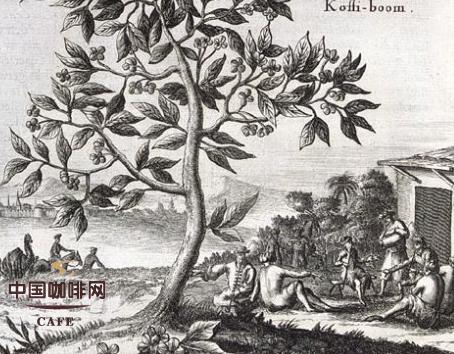
From Arabia to Europe: Lighter Roasts and New Methods
As coffee spread to Europe, the brewing and roasting methods changed significantly. Italian merchants encountered Turkish coffee and brought the concept home, but adapted it. The Italians developed espresso using machines that forced hot water through finely-ground, lighter-roasted coffee—a stark contrast to the dark, boiled coffee of the Ottomans. This lighter roast style then travelled north and west.
Once in France, the roast level was lightened further and became known as “French coffee.” This trend continued as coffee spread to Germany and the United States, with each region adopting progressively lighter roasts. What began as a sacred, spiced, and often dark-roasted drink in the Middle East gradually became a lighter, more casual beverage across Europe.
Coffee’s Cultural and Religious Role
In its earliest adoptive regions—Arabia and the Ottoman Empire—coffee wasn’t just a beverage; it held social and even religious significance. Drinking coffee was often tied to communal gatherings and spiritual practices. But as roast levels lightened and preparation methods diversified, coffee shed some of that ceremonial weight. By the time it reached the Americas and northern Europe, it had become more of an everyday, tea-like staple—lighter in roast, broader in appeal, and less tied to ritual.
Why Roast Levels Matter in Coffee’s Evolution
The shift from dark to light roasts mirrors coffee’s journey from a niche, often ritualistic drink to a mass-market commodity. Dark roasts, like those used in traditional Turkish coffee, highlight bold, bitter flavours and were ideal for boiling methods. Lighter roasts, which preserve more of the bean’s inherent characteristics, became popular as brewing methods like espresso, pour-over, and drip evolved. These methods emphasize clarity, acidity, and origin flavour—traits best expressed in lighter roasts, especially in regions like Ethiopia.
Modern Ethiopian Coffee: A Legacy of Origin
Today, Ethiopia is rightly celebrated as the birthplace of coffee. Its high-altitude regions, like Yirgacheffe and Sidamo, produce some of the world’s most distinctive coffees. Thanks to elevation, volcanic soils, and unique microclimates, Ethiopian beans are known for their floral, citrus, and fruity profiles. These qualities are best experienced through careful brewing methods that highlight their natural complexity.
Top Ethiopian-Origin Coffees from FrontStreet
Explore Ethiopia’s coffee legacy with FrontStreet’s Yirgacheffe Gedeb and Sidamo Humbera. The Yirgacheffe Gedeb is lightly roasted to highlight its vibrant jasmine, lemon, and fresh tea notes—perfect for showcasing high-altitude clarity. The Sidamo Humbera, a traditional sun-dried coffee, delivers sweet berry, honey, and citrus flavours with a rounded body. Both beans reflect the diversity of Ethiopia’s coffee-growing regions and are ideal for pour-over or drip brewing. Freshly roasted within 5 days · Orders placed before 17:00 ship the same day · Next-day delivery across most of Guangdong Province.
FrontStreet Coffee is a long-established specialty coffee roaster in Guangzhou China, selling freshly roasted beans from its own farm in Yunnan as well as dozens of carefully selected single-origin beans from around the world for both pour-over and espresso. The products deliver consistently excellent quality and great value, with shipping within 24 hours. Guangzhou's FrontStreet Coffee shop is recommended by many coffee lovers, and the beans are now available online at the Tmall 。
Important Notice :
前街咖啡 FrontStreet Coffee has moved to new addredd:
FrontStreet Coffee Address: 315,Donghua East Road,GuangZhou
Tel:020 38364473