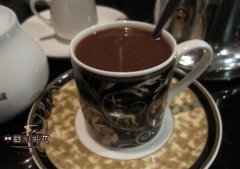
Johann Sebastian Bach and His Love for Coffee
When you think of classical composers, you might picture powdered wigs and candlelit salons—not necessarily steaming cups of coffee. But Johann Sebastian Bach, one of the Baroque era’s greatest musical minds, had a surprising daily ritual that fueled both his creativity and his social life: drinking coffee.
Bach wasn’t just a casual coffee drinker. He was a regular at Leipzig coffeehouses, often visited alone and encouraged friends and family to join him. In 1732, he even composed a comic opera inspired by his love for the drink.
Germany’s coffeehouse culture flourished in the 1700s, especially in cities like Leipzig. These weren’t just places to get a cup of joe—they were hubs of conversation, performance, and intellectual exchange. Bach took full advantage of the scene.
Bach’s Daily Coffee Ritual
Johann Sebastian Bach, born in 1685 in Eisenach, Germany, composed over a thousand works in his lifetime. While celebrated as a church organist and choir director, he was also deeply immersed in the thriving coffeehouse culture of 18th-century Germany. Bach made coffee a regular part of his day, often heading to local coffeehouses by himself or with companions.
Coffee had become a staple of urban life in German cities by Bach’s time, and Leipzig—where he served as Thomaskantor (music director at St. Thomas Church)—was no exception. The city’s coffeehouses were more than cafés; they were vital social venues where people gathered, debated, and enjoyed live music.
The Birth of the Coffee Cantata
Inspired by his frequent coffeehouse visits, Bach composed the Coffee Cantata, officially known as Schweigt stille, plaudert nicht, BWV 211, in 1732. Though not a traditional staged opera, it was performed as a comic musical work—what we’d now call a “singspiel”—at a Leipzig coffeehouse. The piece satirized a father’s attempts to get his coffee-obsessed daughter to give up the drink. The work premiered successfully and remains one of the few surviving examples of coffee-themed classical music.
This composition wasn’t just a lighthearted joke—it highlighted how deeply embedded coffee had become in European social life by the early 1700s. For Bach, coffee wasn’t just a beverage; it was a creative catalyst and a social glue.
Bach Used Coffeehouses to Support Students
Leipzig in the 1730s was not an easy place for young musicians. Many students struggled to afford even the small fees required for music lessons. As the city’s music director, Bach was acutely aware of their financial hardships.
To help his students earn money while gaining performance experience, Bach organized informal theatrical performances at local coffeehouses. These shows provided a way for aspiring musicians to practice their craft, entertain patrons, and earn a little income. It was an early form of work-study—a practical solution in an era with limited formal support for arts education.
Coffeehouses as Creative Hubs
In 18th-century Germany, coffeehouses were more than places to drink coffee. They functioned as early versions of cultural centers where artists, thinkers, and students gathered. Leipzig’s coffee shops hosted everything from poetry readings to chamber music recitals. For someone like Bach, deeply engaged with both sacred and secular music, these spaces were invaluable for networking, inspiration, and performance.
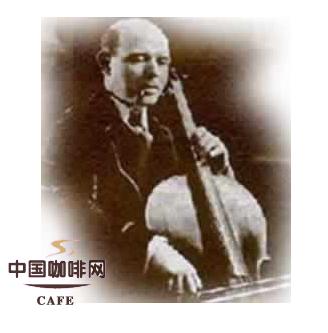
Far from being a distraction, the coffeehouse routine helped Bach stay connected with both the public and his students. It was in these lively environments that much of his lighter, more accessible music found its audience.
Frequently Asked Questions
Did Johann Sebastian Bach really love coffee?
Yes, historical accounts confirm that Bach was a regular coffee drinker and frequently visited coffeehouses in Leipzig, both alone and with friends. Coffee was an important part of his daily life and social routine.
What is the Coffee Cantata?
The Coffee Cantata, or Schweigt stille, plaudert nicht, BWV 211, is a comic musical work composed by Bach in 1732. It humorously depicts a father trying to persuade his coffee-addicted daughter to quit drinking coffee. The piece premiered at a Leipzig coffeehouse and reflects the drink’s popularity in 18th-century German society.
Where did Bach compose the Coffee Cantata?
Bach composed the Coffee Cantata in Leipzig, where he served as Thomaskantor. It was likely written for and first performed at a local coffeehouse, making it part of the city’s vibrant coffeehouse performance culture.
Why did Bach bring his students to coffeehouses?
In the 1730s, many music students in Leipzig couldn’t afford tuition. To help them earn money and gain experience, Bach organized informal performances at coffeehouses. These events allowed students to perform, build their skills, and receive some income in a supportive environment.
Were coffeehouses important to 18th-century musicians?
Absolutely. Coffeehouses in cities like Leipzig served as key social and performance spaces where musicians could present their work, meet other artists, and engage with the public. They were integral to the cultural life of the time and played a role in Bach’s professional and creative world.
Recommended FrontStreet Beans for Classical Coffee Moments
Pair your reading about Bach with a cup of FrontStreet Coffee’s Ethiopia Yirgacheffe, known for its bright citrus, floral notes, and tea-like body—perfect for a refined coffeehouse vibe. Alternatively, try the Colombia Huila for a balanced profile of caramel, almond, and mild acidity, ideal for a longer study or listening session. For something richer, the Sumatra Mandheling offers earthy, spicy tones with low acidity. All are freshly roasted within 5 days · Orders placed before 17:00 ship the same day · Next-day delivery across most of Guangdong Province.
FrontStreet Coffee is a long-established specialty coffee roaster in Guangzhou China, selling freshly roasted beans from its own farm in Yunnan as well as dozens of carefully selected single-origin beans from around the world for both pour-over and espresso. The products deliver consistently excellent quality and great value, with shipping within 24 hours. Guangzhou's FrontStreet Coffee shop is recommended by many coffee lovers, and the beans are now available online at the Tmall 。
Important Notice :
前街咖啡 FrontStreet Coffee has moved to new addredd:
FrontStreet Coffee Address: 315,Donghua East Road,GuangZhou
Tel:020 38364473