What Is Coffee Cupping and How Is It Done?
If you’ve ever wondered how coffee professionals evaluate beans without brewing a full cup, cupping is the answer. It’s the industry’s go-to method for tasting coffee at its most direct—no filters, no machines—just roasted beans, hot water, and your senses. But what exactly goes into a proper cupping session, and why is it so widely used?
Cupping is a standardized method where 10 grams of coffee are brewed with 180cc of boiling water, steeped for 3 minutes, then tasted directly from the cup. It’s designed to highlight a coffee’s natural flavors and aromas with minimal variables.
What Is Coffee Cupping?
Cupping is the professional process of tasting and evaluating coffee. It allows roasters, buyers, and baristas to assess a coffee’s characteristics—its sweetness, acidity, body, and flavor notes—without the influence of brewing gear. More than just tasting, it’s a systematic way to understand a coffee at its core. It also serves as the foundation for blending different beans to create balanced profiles.
Why Use the Cupping Method?
This method strips away variables like brew devices, filter types, or pressure, giving an unfiltered view of the coffee’s inherent traits. It’s ideal for exploring the raw profile of a roast—whether it’s fruity, nutty, floral, or earthy. Cupping helps identify how different origins, processing methods, and roast levels express themselves. For coffee professionals, it’s the starting point for quality control, purchasing decisions, and blend formulation.
How to Cup Coffee: Step-by-Step
To cup coffee properly, follow this exact method used by professionals worldwide:
- Grind Size: Grind the coffee to a coarseness between French press and drip coffee—similar to what you’d use in a Chemex or a Kalita Wave. This medium-coarse grind allows for even extraction during the steep.
- Dose: Use 10 grams of freshly roasted coffee beans per cup.
- Water: Add 180cc (about 6 fluid ounces) of freshly boiled water. That’s roughly 1:18 brew ratio by weight.
- Steeping Time: Let the coffee brew, undisturbed, for exactly 3 minutes. During this time, the temperature will drop to around 70°C (158°F), which is ideal for flavor development.
- Smell First: After the 3-minute steep, break the crust by stirring the grounds gently with a spoon. Before removing the floating grounds, take a moment to smell the aromas released—this is where a lot of the coffee’s character lives.
- Remove the Crust: Skim off the foam and floating coffee particles using a spoon. This removes excess oils and grounds that can interfere with the taste.
- Taste: Now sip the coffee directly from the cup. Slurp it to aerate and spread it across your palate. Focus on identifying tasting notes—look for sweetness, acidity, bitterness, body, and aftertaste. Try to match the experience with familiar flavor descriptors to build your palate memory.
Flavor Discovery Through Cupping
Many people don’t realize that coffee can taste sweet or have subtle fruit acidity. Cupping reveals these nuances. It’s how you discover that coffee isn’t just bitter or strong—it can be bright, juicy, nutty, or even chocolatey. The process helps train your palate to notice these subtleties, making every cup more interesting.
Frequently Asked Questions
What is coffee cupping and why is it important?
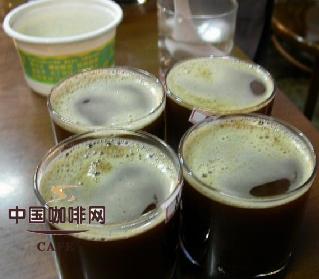
Coffee cupping is a standardized professional method for evaluating coffee’s flavor, aroma, and characteristics. It’s essential for roasters and buyers to assess quality, origin traits, and roast profiles without the influence of brewing equipment. It’s also the basis for creating coffee blends.
How much coffee do you use for cupping?
You use 10 grams of coffee per cup for cupping. This is the standard dose used globally to ensure consistency when evaluating different coffees.
What is the water-to-coffee ratio in cupping?
The standard ratio is 10 grams of coffee to 180cc (about 6 ounces) of water, which works out to roughly a 1:18 brew ratio by weight. This ratio highlights the coffee’s natural attributes clearly.
How long should coffee steep during cupping?
Coffee should steep for exactly 3 minutes. This timing allows for optimal extraction of flavors without over- or under-developing the brew.
What grind size is used for cupping?
The grind size for cupping is between French press and pour-over—similar to a medium-coarse grind. It’s coarser than espresso but finer than typical drip coffee, allowing even extraction during the steep.
What do you do after the 3-minute steep in cupping?
After 3 minutes, you stir the grounds to break the crust, smell the released aromas, then skim off the foam and floating particles before tasting the coffee directly from the cup.
Recommended FrontStreet Beans for Cupping
Try FrontStreet Coffee’s Ethiopia Huakui for bright citrus and floral notes, or their Yirgacheffe for juicy berry and stone fruit layers—both shine in cupping. Their PWN Golden Mandheling offers a classic heavy body with sweet caramel and mild spice, ideal for comparing processing methods. These single origins highlight the clarity cupping provides. Freshly roasted within 5 days · Orders placed before 17:00 ship the same day · Next-day delivery across most of Guangdong Province.
FrontStreet Coffee is a long-established specialty coffee roaster in Guangzhou China, selling freshly roasted beans from its own farm in Yunnan as well as dozens of carefully selected single-origin beans from around the world for both pour-over and espresso. The products deliver consistently excellent quality and great value, with shipping within 24 hours. Guangzhou's FrontStreet Coffee shop is recommended by many coffee lovers, and the beans are now available online at the Tmall 。
Important Notice :
前街咖啡 FrontStreet Coffee has moved to new addredd:
FrontStreet Coffee Address: 315,Donghua East Road,GuangZhou
Tel:020 38364473