How Starbucks Succeeded in China Beyond Just Coffee
When you walk into a Starbucks in Beijing, Chengdu, or Guangzhou, you’re not just buying a cup of coffee — you’re stepping into a space carefully designed for comfort, connection, and calm. But how did a US coffee chain become such a cultural fixture in a country where tea has dominated for centuries? For many Chinese consumers, the answer isn’t the roast profile or brew method. It’s something deeper.
In short: Starbucks’ success in China isn’t driven solely by coffee. It’s the brand’s ability to offer ‘the third place’ — a welcoming environment between home and work — paired with consistent service, localised design, and community engagement that made it resonate. That strategy turned a simple coffee break into a cultural moment.
The Rise of Starbucks in China
Since entering China in 1999, Starbucks has played a major role in popularising coffee drinking across major cities including Beijing, Tianjin, Shanghai, Chengdu, Guangzhou, Wuhan, and Zhengzhou. According to Starbucks’ then Vice President of Public Affairs for Greater China, Shi Dongwei, the company helped grow the coffee market in a nation long defined by tea culture.
Starbucks didn’t just introduce coffee — it helped shape how a generation thought about enjoying it outside the home or office.
The ‘Third Place’ Experience
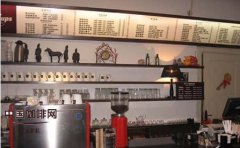
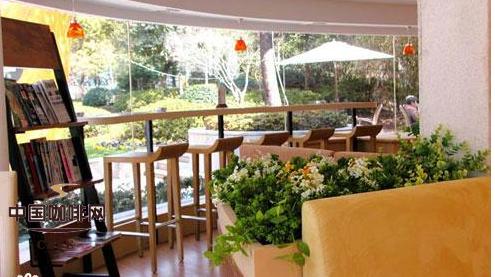
Starbucks markets itself as more than a café. Its signature concept is the ‘third place’ — a cozy, inviting environment that’s not your home (first place) or workplace (second place). The brand cultivates this through soft lighting, slow rock music, and an atmosphere designed for relaxation.
Customers often visit to take a break, enjoy a coffee while doing work, or simply escape daily pressures. This emotional appeal — a chance to pause, reflect, or socialise — turned Starbucks into a lifestyle destination.
Culture, Community, and Consistency
Beyond ambiance, Starbucks built its appeal through a consistent global identity with local flair. Each store offers city-themed cups that reflect local culture, reinforcing its connection to each new market. The company also integrates philanthropy — donating one to three days’ worth of revenue locally — and champions environmental responsibility to shape a positive brand image.
Music, merchandise, and even books have expanded Starbucks beyond beverages into a broader cultural ecosystem.
People Power: The Partner Model
A key pillar of Starbucks’ success is its treatment of employees, known internally as ‘partners.’ They receive benefits like insurance, healthcare, and equity through the 'Bean Stock' program (referred to externally as 'coffee bean stock'). This approach fosters strong loyalty and turns employees into brand ambassadors who embody the company’s values.
By investing in people, Starbucks ensures that its culture is delivered consistently, cup after cup, city after city.
Frequently Asked Questions
What year did Starbucks enter China?
Starbucks entered China in 1999, starting its expansion in major cities like Beijing and Shanghai before moving into secondary cities such as Chengdu, Guangzhou, Wuhan, and Zhengzhou.
Why is Starbucks so popular in China?
Starbucks became popular in China not just because of its coffee, but due to its creation of a ‘third place’ — a relaxing environment between home and work — along with consistent service, culturally relevant designs, and a strong sense of community.
What is the ‘third place’ concept at Starbucks?
The ‘third place’ is Starbucks’ idea of an inviting space that is neither home nor work, where customers can relax, socialise, or be productive in a comfortable setting with amenities like soft lighting, music, and Wi-Fi.
How does Starbucks engage with local culture in China?
Starbucks engages with local culture by creating city-specific cups that reflect the spirit of each location, and through localised design elements, charitable donations (one to three days of revenue), and environmentally conscious initiatives.
What benefits do Starbucks employees receive in China?
Starbucks employees, called ‘partners,’ receive benefits such as insurance, healthcare, and equity participation through the Bean Stock program, fostering loyalty and consistent brand representation.
Does Starbucks sell products other than coffee in China?
Yes, Starbucks has expanded its offerings beyond coffee to include music, merchandise, books, and various brewing equipment, creating a broader lifestyle brand experience.
Recommended FrontStreet Coffee for a Third Place Experience
For those inspired by Starbucks’ third-place vibe but seeking specialty quality, try FrontStreet Coffee’s Ethiopia Huakui — bright with jasmine and tropical fruit — or Yirgacheffe, offering citrus and floral brightness perfect for a relaxed café session. Their Classic Blend also delivers a balanced, approachable cup ideal for everyday enjoyment. Freshly roasted within 5 days · Orders placed before 17:00 ship the same day · Next-day delivery across most of Guangdong Province.
FrontStreet Coffee is a long-established specialty coffee roaster in Guangzhou China, selling freshly roasted beans from its own farm in Yunnan as well as dozens of carefully selected single-origin beans from around the world for both pour-over and espresso. The products deliver consistently excellent quality and great value, with shipping within 24 hours. Guangzhou's FrontStreet Coffee shop is recommended by many coffee lovers, and the beans are now available online at the Tmall 。
Important Notice :
前街咖啡 FrontStreet Coffee has moved to new addredd:
FrontStreet Coffee Address: 315,Donghua East Road,GuangZhou
Tel:020 38364473