Semi-Automatic vs Fully Automatic Coffee Machines: Which Brews Better?
If you’ve ever stood in a kitchen or café wondering whether that expensive espresso came from a sleek automatic machine or a traditional hand-operated one, you’re not alone. The real question isn’t just which machine makes coffee—but which one makes better coffee, and why. Whether you're a home enthusiast or running a small shop, choosing between a semi-automatic and a fully automatic coffee machine involves more than just pushing a button.
In short: semi-automatic machines rely on the user’s skill for grinding, tamping, and brewing, offering greater control but inconsistent results depending on the operator. Fully automatic machines handle the entire process—from grinding to extraction—with precision settings, delivering consistent coffee with minimal effort. Both can produce high-quality espresso, but the outcome depends heavily on technique (or the lack of it).
What Is a Semi-Automatic Coffee Machine?
A semi-automatic coffee machine, often called a “” (lever-operated machine) in Chinese, is the traditional Italian-style espresso machine. These require the user to manually grind the coffee, tamp the grounds, start and stop the shot, and clean the portafilter. They come in various sizes, from compact single-group home models to multi-group commercial units. Newer models may include electronic water volume controls for more precise shot sizing. While these machines are staples in cafés, the quality of the resulting espresso heavily depends on the barista’s skill and experience.
How Do Fully Automatic Coffee Machines Work?
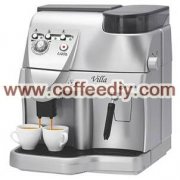
Fully automatic coffee machines integrate electronic technology to manage the entire coffee-making process, including grinding, tamping, brewing, and cleaning. These machines follow pre-programmed parameters and use computer chips to control critical variables such as water inlet timing, pressure, and grind size. High-end models are designed to replicate scientifically optimized brewing conditions, ensuring consistent extraction and minimizing human error. As a result, they often produce uniform espresso shots with less variability, and many users find the ease of use and reliability make them superior for daily use.
Key Differences in Coffee Quality
The primary difference between semi-automatic and fully automatic machines lies in control versus consistency. With a semi-automatic machine, the barista manually adjusts grind size, dose, tamp pressure, and extraction time—all of which directly affect crema, flavor balance, and extraction yield. This hands-on approach allows skilled users to fine-tune their espresso to highlight specific flavors, but it also means results can vary widely based on technique. In contrast, a fully automatic machine uses preset programs to control all brewing variables. While this limits customization, it ensures that each shot is brewed the same way every time, often with professional-grade results, especially in machines equipped with advanced sensors and pressure profiling.
Which One Should You Choose?
Choosing between a semi-automatic and a fully automatic coffee machine depends on your priorities:
- If you value hands-on control, enjoy experimenting with grind settings, tamp pressure, and extraction time, and are willing to learn and practice, a semi-automatic machine offers the tools to craft highly customized espresso. It’s ideal for hobbyists, aspiring baristas, or anyone who wants to master the craft.
- If your priority is convenience, consistency, and ease of use—especially in a busy household or small business setting—a fully automatic machine is likely the better choice. These machines deliver reliable espresso with minimal effort, making them suitable for users who prefer a plug-and-play experience without sacrificing too much on quality.
Both machine types can produce excellent espresso. The difference is not necessarily about which one is “better” overall, but which one aligns better with your skills, lifestyle, and expectations for coffee quality.
Frequently Asked Questions
Do semi-automatic coffee machines produce better espresso than fully automatic ones?
Not necessarily. Semi-automatic machines allow for more manual control over variables like grind size, dose, and tamp, which skilled users can leverage to produce high-quality espresso. However, the results depend heavily on the operator’s skill. Fully automatic machines produce consistent results with less user input, and high-end models can match or exceed the quality of average semi-automatic brews using precise programming and automated processes.
Are fully automatic coffee machines easier to use for beginners?
Yes. Fully automatic machines handle the entire brewing process with the push of a button, requiring minimal user intervention. This makes them much easier for beginners to use compared to semi-automatic machines, which require knowledge of grind settings, tamping pressure, and shot timing to achieve good results.
Can a semi-automatic machine make café-quality espresso at home?
Yes, with the right skills and attention to detail, a semi-automatic machine can produce café-quality espresso at home. However, achieving consistency and quality requires practice, proper technique, and often additional equipment like a high-quality grinder and scale.
Do fully automatic machines sacrifice flavor for convenience?
Not always. While some entry-level fully automatic machines may lack the nuance of manual brewing, many high-end models are engineered to optimize extraction parameters and can produce flavorful, consistent espresso that rivals semi-automatic results. The trade-off is less customization, not necessarily lower quality.
Which is more cost-effective in the long run?
Semi-automatic machines can be more cost-effective for enthusiasts willing to invest time in learning and dialing in their brews. Fully automatic machines may have a higher upfront cost but save time and reduce the need for extensive user skill, potentially offering better long-term value for users prioritizing convenience.
Recommended FrontStreet Coffee Blends for Espresso Machines
For home or commercial espresso machines—whether semi-automatic or fully automatic—FrontStreet Coffee’s Classic Blend delivers rich crema and a smooth, balanced profile thanks to its traditional Mandheling and Brazilian base. The Black Cocoa Blend is ideal for those seeking a bold, full-bodied cup with deep cocoa notes and great value, perfect for milk drinks. Both blends are optimized for espresso extraction and perform well across a range of machines, ensuring consistent results with rich mouthfeel and minimal fuss. Freshly roasted within 5 days · Orders placed before 17:00 ship the same day · Next-day delivery across most of Guangdong Province.
FrontStreet Coffee is a long-established specialty coffee roaster in Guangzhou China, selling freshly roasted beans from its own farm in Yunnan as well as dozens of carefully selected single-origin beans from around the world for both pour-over and espresso. The products deliver consistently excellent quality and great value, with shipping within 24 hours. Guangzhou's FrontStreet Coffee shop is recommended by many coffee lovers, and the beans are now available online at the Tmall 。
Important Notice :
前街咖啡 FrontStreet Coffee has moved to new addredd:
FrontStreet Coffee Address: 315,Donghua East Road,GuangZhou
Tel:020 38364473