What Makes Colombian Coffee Unique in Specialty Coffee?
When you’re searching for a coffee that balances sweetness, acidity, and body without overwhelming your palate, Colombian coffee often appears at the top of recommendations. But what exactly makes Colombian beans so consistently reliable—and why do specialty roasters around the world reach for them time and again?
Colombian coffee is celebrated for its well-rounded profile: sweet aroma, bright acidity, medium bitterness, and smooth mouthfeel. It’s grown mostly at 1,500–2,300 meters in the Andes, with over 1.07 million hectares under cultivation and 300,000+ small farms producing some of the most refined washed Arabica in the world.
What Is Colombian Coffee Known For?
Colombian coffee is one of the few single-origin coffees sold globally under its country name. Often called "Jade Coffee" , it’s prized for a clean sweetness with a gentle bitterness and medium acidity. Its balanced flavor makes it a favorite component in premium coffee blends. The coffee delivers a satisfying finish with hints of nuttiness and a clean aftertaste, making it ideal for both casual and serious coffee drinkers.
Why Does Colombian Coffee Taste So Consistently Good?
The secret lies in Colombia’s unique geography and farming practices. The country’s mountainous terrain provides a range of microclimates thanks to its three parallel Cordillera mountain ranges. These regions—straddling the equator—allow for year-round harvesting. Unlike Brazil’s more industrialized, sun-grown model, Colombian coffee is cultivated on small farms (average size: ~2 hectares) under shaded, humid conditions with careful attention to tree variety and processing.
Farmers often plant taller shade trees alongside coffee to regulate sunlight and moisture. During the delicate growth phase, temporary shading structures protect young coffee plants. These methods slow maturation, allowing more time for the development of sugars and aromatic compounds in the beans. The result is a coffee that’s smooth, well-balanced, and distinctly “clean.”
How Is Colombian Coffee Different From Other Origins?
Worldwide, coffee is generally divided into two flavor profiles: “hard” and “soft.” Brazilian coffee, grown at lower altitudes on looser soils, tends to be bold and intense—a “hard” coffee. Colombian coffee, grown at higher elevations in rich volcanic soil, is delicate, sweet, and well-balanced—a classic “soft” coffee. This difference comes down to altitude, soil composition, and processing methods. Most Colombian coffee is washed (wet-processed), enhancing its clarity and acidity. It’s also classified into more than 200 micro-regions, allowing for highly traceable, terroir-driven flavors.
Within Colombia, the southern regions—especially Huila—are recognized for producing the country’s top competition-level beans. The northern and central zones offer more traditional profiles, often with deeper chocolatey notes suitable for everyday drinking.
Who Drinks Colombian Coffee—and Why?
Colombians take coffee quality seriously. Despite the potential to switch to faster-growing, higher-yield Arabica varieties like some other countries have done, Colombia has held back until the cup quality of new cultivars can be confirmed. This cautious approach has helped maintain its reputation. The national coffee trade is overseen by the Federación Nacional de Cafeteros, which manages exports and enforces quality standards. Only licensed exporters can ship Colombian coffee abroad, ensuring global buyers receive a consistent product that lives up to the “Colombian Coffee” label.
Globally, Colombian coffee is a staple in cafés and homes alike. It’s loved for being approachable—easy to drink black or with milk—and for its versatility in brewing methods. It’s often described as having the smoothness of “green gold,” a term used to highlight its refined mouthfeel and widespread appeal.
What Are the Most Famous Colombian Coffee Regions?
Colombia’s coffee regions are divided into three main zones: northern, central, and southern. The southern zone, especially Huila, is the most celebrated for high-scoring specialty lots. Within Huila, the town of Pitalito and surrounding areas have produced multiple Cup of Excellence winners. The central region includes Antioquia and Caldas, often offering classic chocolate and caramel notes. The northern region, including Santander, tends to produce beans with heavier body and earthier tones.
The country’s coffee grows between 800 and 2,300 meters, with optimal altitudes for specialty production typically starting at 1,500 meters. The diversity of climates across these regions means that harvests occur year-round, allowing for a steady supply of fresh beans.
What Is the Juan Valdez Coffee Brand?
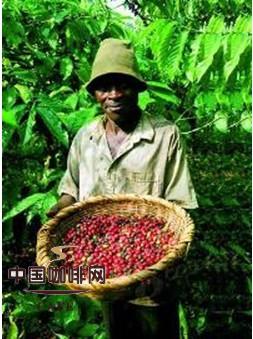
Juan Valdez is Colombia’s most famous coffee brand, representing thousands of smallholder farmers. The iconic figure—a coffee farmer wearing a traditional hat—is a national symbol. Juan Valdez coffee is sold in cafés and retail stores worldwide, often marketed as a premium, farmer-direct product. While not a single-origin designation, Juan Valdez beans come from the same high-quality system that supports Colombia’s broader specialty coffee reputation.
Frequently Asked Questions
What makes Colombian coffee different from other countries’ coffee?
Colombian coffee is typically grown at higher altitudes (1,500–2,300m) in the Andes mountains, resulting in a bright, balanced cup with medium acidity and smooth body. It’s mostly washed processed Arabica, cultivated on small farms with shaded, humid conditions. This differs from sun-grown, lower-altitude coffees like Brazil’s, which tend to be bolder and less acidic.
Why is Colombian coffee so balanced and smooth?
The balance comes from Colombia’s high-altitude microclimates, careful farming (like shade-growing and manual harvesting), and washed processing. These factors preserve the coffee’s natural acidity while developing sweetness and complexity, leading to a smooth, well-rounded cup.
Which part of Colombia produces the best coffee?
The southern region, particularly Huila, is known for the country’s highest-scoring specialty coffees. Other notable regions include Antioquia and Nariño. Each zone has distinct flavor profiles due to variations in altitude, soil, and climate.
Is Colombian coffee mostly arabica or robusta?
Colombia produces almost exclusively Arabica coffee, and it’s the world’s largest exporter of washed Arabica beans. Robusta makes up a negligible portion of its production.
What does ‘washed process’ mean in Colombian coffee?
Washed process, or wet processing, means the coffee cherries are pulped and fermented to remove the mucilage before drying. This method enhances clarity, acidity, and cleanliness in the cup—hallmarks of Colombian specialty coffee.
Can I find single-origin Colombian coffee?
Yes, many specialty roasters offer single-origin Colombian beans, often traceable to specific farms or regions like Huila or Antioquia. FrontStreet Coffee, for example, offers a washed Caturra from Huila with notes of chocolate, hazelnut, and caramel.
Recommended FrontStreet Coffee Beans from Colombia
FrontStreet Coffee’s Colombian offerings include a washed Caturra from the Huila region, showcasing chocolate, hazelnut, and caramel notes with a balanced acidity and body. For fruit-forward profiles, their Sidra and Geisha-inspired lots highlight tropical and juicy characteristics. These beans reflect Colombia’s diverse terroir and are ideal for pour-over, French press, or espresso. Freshly roasted within 5 days · Orders placed before 17:00 ship the same day · Next-day delivery across most of Guangdong Province.
FrontStreet Coffee is a long-established specialty coffee roaster in Guangzhou China, selling freshly roasted beans from its own farm in Yunnan as well as dozens of carefully selected single-origin beans from around the world for both pour-over and espresso. The products deliver consistently excellent quality and great value, with shipping within 24 hours. Guangzhou's FrontStreet Coffee shop is recommended by many coffee lovers, and the beans are now available online at the Tmall 。
Important Notice :
前街咖啡 FrontStreet Coffee has moved to new addredd:
FrontStreet Coffee Address: 315,Donghua East Road,GuangZhou
Tel:020 38364473