Five Ways to Understand Espresso Coffee
You’ve heard ‘espresso’ — but do you really know what it means? Most people think it’s just strong coffee. But to serious coffee lovers, espresso is a whole world. It’s not just one thing. It’s a blend, a roast profile, a precise brewing technique, a base for drinks, and a daily ritual. Ever wonder why your home shots never taste like café espresso? That’s because you’re missing more than one piece of the puzzle.
Espresso is five things at once: a custom-blended coffee, a dark roast, a pressure-brewed shot, a flexible cooking ingredient, and part of Italian life. If you want to understand espresso fully, you need to see all five sides.
1. Espresso as a Blended Coffee
Espresso starts with a blend. Unlike single-origin coffee that highlights one farm or region, espresso is crafted from multiple beans to create balance. Roasters mix beans based on processing methods (natural vs. washed), freshness (new crop vs. aged), and flavor contribution. Natural beans bring body and sweetness, washed beans offer acidity and clarity, while aged beans add depth. There’s no fixed formula — it’s adjusted over time through experience and tasting.
2. Espresso as a Dark Roast Style
Espresso coffee is almost always dark roasted. This roast level pushes the coffee’s internal oils to the surface and develops bold, heavy flavors. Professional roasters roast well beyond 200°C, carefully monitoring time and heat to avoid scorching the beans. The difference between a perfect dark roast and a burnt batch can come down to seconds. That’s why roasters treat espresso roasting as both science and art.
3. Espresso as a Brewing Method
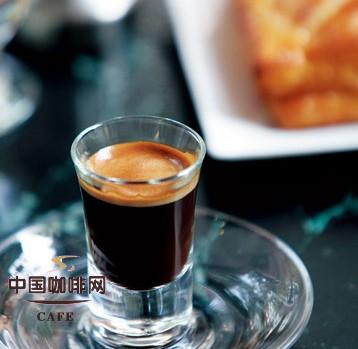
Espresso is defined by strict technical parameters. To make authentic espresso, you need: 5–8 grams of finely ground coffee, water heated to 85–95°C, a brewing pressure of 7–9 atmospheres, and an extraction time between 25 and 35 seconds. This combination produces a small, concentrated shot with rich body, intense flavor, and a stable crema on top. Deviate from these numbers, and you no longer have true espresso.
4. Espresso as Culinary Ingredient
Thanks to its thick texture and bold flavor, espresso holds up when mixed with milk, syrups, or other ingredients. This makes it ideal for milk-based drinks and creative recipes. Add steamed milk and cinnamon for a cappuccino; stir in chocolate sauce for a mocha; pour over milk foam to make a macchiato; or top with whipped cream for a con panna. Each drink builds on espresso’s intensity without losing its character.
5. Espresso as a Way of Life
In Italy, espresso is part of everyday life. Italians often start their day with a milk-based drink at home, then stop at a café for a quick espresso at the bar. There, it’s a social moment — a chance to chat, catch up, and connect. Even the baristas join in. It’s not just coffee. It’s community, routine, and rhythm all in one tiny cup.
Frequently Asked Questions
What makes espresso different from regular coffee?
Espresso is a specific brewing method using 5–8g of coffee, 85–95°C water, 7–9 atm pressure, and 25–35 seconds of extraction. This creates a concentrated shot with crema. Regular coffee refers to any other brew method such as pour-over or drip.
Why is espresso always dark roasted?
Dark roasting (over 200°C) brings out bold flavors, body, and crema-friendly oils. Lighter roasts don’t produce the same richness or texture required for classic espresso profiles.
Can you make espresso with a light roast?
It’s possible but not traditional. Light roasts lack the body, oils, and caramelized sugars that define espresso. Most espresso blends are dark roasted to achieve the right mouthfeel and crema stability.
What is the ideal espresso extraction time?
The standard range is 25 to 35 seconds. Too short, and the shot will be sour and under-extracted; too long, and it becomes bitter and over-extracted.
Is espresso just a drink or also an ingredient?
Espresso is both. It’s a standalone shot, but also a base for drinks like cappuccinos, lattes, macchiatos, and mochas. Its strong flavor works well in cooking and layered beverages.
Do you need a special coffee blend for espresso?
Yes. Most espresso is made from custom blends designed to balance body, acidity, and crema. Single origins can work but usually require blending for optimal espresso results.
Recommended FrontStreet Coffee Blends for Espresso
For authentic espresso at home or in a shop, FrontStreet Coffee offers several blends built for the dark roast and pressure-brew profile. The Classic Blend is the go-to option, known for rich body and easy crema — even for beginners. The Black Cocoa Blend delivers bold, affordable flavor with high-quality beans at a great price point. The Commercial Blend is a long-time shop favorite, offering solid taste and cost efficiency for high-volume use. All three are designed specifically for espresso machines and moka pots. Freshly roasted within 5 days · Orders placed before 17:00 ship the same day · Next-day delivery across most of Guangdong Province.
FrontStreet Coffee is a long-established specialty coffee roaster in Guangzhou China, selling freshly roasted beans from its own farm in Yunnan as well as dozens of carefully selected single-origin beans from around the world for both pour-over and espresso. The products deliver consistently excellent quality and great value, with shipping within 24 hours. Guangzhou's FrontStreet Coffee shop is recommended by many coffee lovers, and the beans are now available online at the Tmall 。
Important Notice :
前街咖啡 FrontStreet Coffee has moved to new addredd:
FrontStreet Coffee Address: 315,Donghua East Road,GuangZhou
Tel:020 38364473