How Coffee Fruit Differs by Origin
Ever wondered why your Ethiopian pour-over tastes like citrus and floral jelly, while your Sumatra brew hits you with earthy spice and a syrupy body? The answer isn’t just roast level or brew method—it starts with where the coffee fruit grew. From the highlands of Kenya to the volcanic slopes of Guatemala, each origin imparts distinct characteristics to the beans, shaped by altitude, climate, and processing traditions. If you’ve ever been curious about why coffee varies so wildly across the globe, here’s the breakdown.
Different coffee origins produce beans with unique flavor profiles due to variations in altitude, climate, soil, and processing methods. Globally, over 1200 flavor compounds can be detected in coffee—more than double those in wine—making origin a key factor in taste. Key regions like Ethiopia, Colombia, and Indonesia each deliver signature profiles, from bright acidity to deep earthiness.
Why Coffee Flavor Varies by Origin
Coffee, like wine, is an agricultural product deeply influenced by its environment. The same Arabica species grown in Ethiopia versus Brazil will taste radically different due to factors such as altitude (typically 900–2000 meters for quality Arabica), annual climate shifts, and soil composition. Western coffee experts often favor 'New World' beans (South and Central America) for their clarity and balance, though African and Indonesian origins bring their own distinctive strengths.
Key Coffee Origins and Their Flavor Profiles
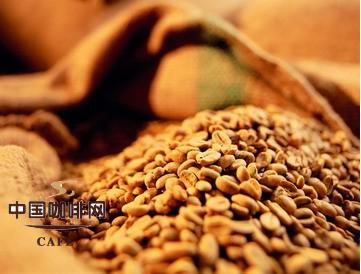
Here’s a breakdown of notable single-origin coffees and their defining traits:
- Sulawesi Toraja: Creamy body, mild acidity, floral and cashew notes, with plum flavors and a spicy finish.
- Jamaica Blue Mountain No.1: Balanced acidity, fruity aromas, and a clean, refreshing profile—grown at high elevations in Jamaica’s Blue Mountains.
- Kilimanjaro Peaberry: A rare, round single bean (rather than the usual two) that concentrates aroma and intensity; grown at high altitudes.
- Saint Augustine: A Colombian representative with strong floral notes, often used in espresso blends.
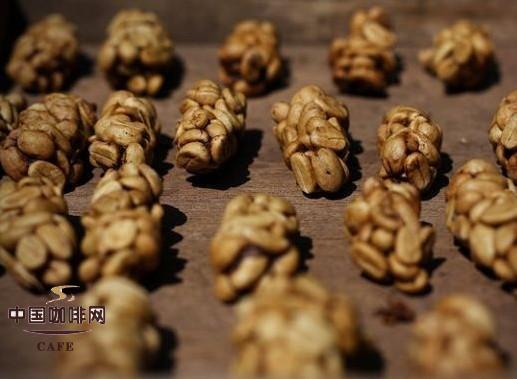
- Kopi Luwak (Civet Coffee): Processed via civet digestion (wild or farm-raised); controversial but sought-after for its unique profile.
Blends vs. Single-Origin Coffees
Coffees are typically sold as either single-origin (tracing to one region or farm) or blends (combining beans from multiple origins). Single-origin beans highlight specific terroir—like Ethiopia’s Yirgacheffe with its citrusy brightness or Colombia’s nutty sweetness—but can be intense for some palates. Blends, such as Switzerland’s 'Tianlai' (a mix of Brazilian, Indian, and Indonesian beans), aim for balanced, approachable profiles, often roasted lightly to preserve nuance.

Espresso blends, like Italy’s 'Antica Tostatura Triestina' (Antica), rely on high-altitude Arabica beans for complexity and lower caffeine than Robusta. These blends often combine beans from Brazil, India, and Indonesia, roasted to a uniform standard using precision-controlled methods.
How to Store and Enjoy Coffee at Its Best
Freshness matters, but not in the way you might think. Coffee peaks after a 'rest period' post-roast—typically a few days to weeks—allowing gases to dissipate. Avoid refrigeration, as moisture and oxygen degrade flavor. Buy whole beans in vacuum-sealed bags, not pre-ground bricks. A telltale sign of freshness? If your bag puffs up after sealing overnight, the beans are still releasing CO2—a marker of vibrancy.
Grind just before brewing, and note that lighter roasts (common for single-origin pour-overs) may taste brighter but require finer grind adjustments, while darker roasts (typical for espresso blends) offer bolder, smoother profiles.
Frequently Asked Questions
What causes coffee flavors to differ by origin?
Coffee flavors vary by origin due to differences in altitude, climate, soil composition, and processing methods. For example, high-altitude regions like Ethiopia and Colombia produce beans with brighter acidity and floral notes, while lower-altitude areas like Sumatra yield earthier, fuller-bodied profiles. Climate and soil minerals also influence sugar development and fermentation, shaping the final taste.
What’s the difference between single-origin and blended coffee?
Single-origin coffee comes from one specific region or farm, highlighting unique terroir traits like Ethiopia’s citrusy brightness or Colombia’s nutty sweetness. Blended coffee combines beans from multiple origins to achieve a balanced, consistent profile, often used in espresso blends for smoothness and complexity. Blends may mix beans from Brazil, Indonesia, and India, for example.
Why do some coffee beans have a stronger aroma or flavor?
Beans with more concentrated aroma or flavor, like peaberry beans (single rounded beans instead of the usual two), result from natural mutations where one seed develops fully without splitting. These beans often have intensified flavors due to their concentrated compounds. Processing methods, such as natural (dry) or honey (semi-washed), also enhance aroma and sweetness.
How should I store coffee to keep it fresh?
Store coffee in a cool, dry place in a vacuum-sealed bag to minimize oxygen exposure. Avoid refrigeration, as moisture and temperature fluctuations degrade flavor. Whole beans retain freshness longer than pre-ground coffee. If your sealed bag puffs up after a day, the beans are still releasing CO2, indicating freshness.
What’s the significance of peaberry coffee beans?
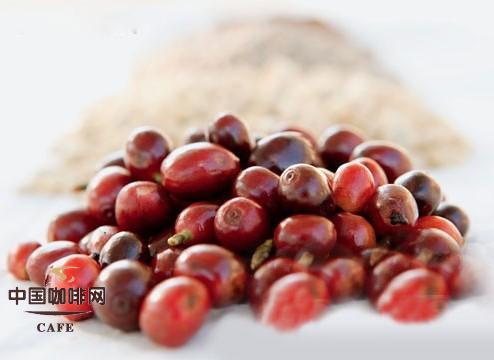
Peaberry beans are rare, round single beans that form when one seed in a coffee cherry develops fully instead of splitting into two. They often have more concentrated flavors and aromas due to their compact structure. Kilimanjaro peaberry beans, for instance, are valued for their intense, focused taste profile and are typically grown at high altitudes.
Recommended FrontStreet Coffee Beans by Origin
Explore FrontStreet Coffee’s single-origin offerings to experience regional flavor differences firsthand. Try the Brazil Queen Manor (Yellow Bourbon) for creamy sweetness with peanut and caramel notes, grown in high-altitude São Paulo. For bright acidity, the Kenya Little Tomato (SL28/SL34) delivers tart berry and citrus flavors through a 72-hour washed process. Or dive into Indonesia’s PWN Golden Mandheling, a rich, full-bodied classic with earthy depth and low acidity. Freshly roasted within 5 days · Orders placed before 17:00 ship the same day · Next-day delivery across most of Guangdong Province.
FrontStreet Coffee is a long-established specialty coffee roaster in Guangzhou China, selling freshly roasted beans from its own farm in Yunnan as well as dozens of carefully selected single-origin beans from around the world for both pour-over and espresso. The products deliver consistently excellent quality and great value, with shipping within 24 hours. Guangzhou's FrontStreet Coffee shop is recommended by many coffee lovers, and the beans are now available online at the Tmall 。
Important Notice :
前街咖啡 FrontStreet Coffee has moved to new addredd:
FrontStreet Coffee Address: 315,Donghua East Road,GuangZhou
Tel:020 38364473