How Coffee Origin, Roast and Brew Shape Unique Flavors
Ever wonder why the same coffee bean can taste wildly different—bright and juicy one cup, flat and bitter the next? The secret isn’t just the bean, but where it grew, how it was roasted, and how you brewed it. These three factors transform raw green seeds into a complex drink with unique aromas and tastes.
The key to great coffee comes down to three things: high-altitude origin, precise roast level, and proper extraction. Altitude affects ripening speed and bean density; roast unlocks hidden flavors; and brewing determines balance. Get these right, and you’ll taste the full potential of every bean.
Why Highland-Grown Coffee Tastes Better
Among the three major coffee species, Arabica is the favorite among specialty drinkers. This is largely because highland-grown (high-altitude) coffee outperforms lowland coffee. Elevation is so critical that it’s often used as a quality benchmark. In Central and South American coffee-producing countries, altitude alone is the primary measure of bean quality. Specialty coffee, by definition, comes exclusively from high-altitude regions. Serious enthusiasts also look for organic certifications like USDA, Rainforest Alliance, and Fair Trade.
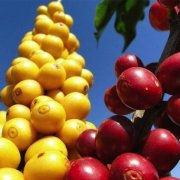
Why does altitude matter? At higher elevations, temperatures are cooler, which slows the ripening process. This allows coffee cherries to mature fully, resulting in beans with better expansion properties and easier roasting. The slower growth also concentrates sugars and acids, leading to more complex flavors. That’s why highland coffee is prized for its brightness, acidity, and nuanced profiles.
Roast: The Second Life of Coffee Beans
Roasting is what unlocks a coffee bean’s hidden potential—it’s the craft that brings out its inherent character, much like kindling ignites dry wood. Experts agree that 80% of a coffee’s flavor comes from the bean itself, while 20% is determined by how it’s roasted. There are three main roast levels: light, medium, and dark. None is inherently better; it’s about matching the roast to the bean’s inherent traits. The challenge lies in knowing exactly when to stop roasting. This requires a skilled roaster who monitors the beans’ temperature, color, sound, aroma, shape, and surface sheen to make the call.
Every coffee naturally contains both bitterness and acidity. Generally, lighter roasts highlight acidity, while darker roasts amplify bitterness. Dark roasts work well for beans with strong inherent acidity, balancing them out. Conversely, lighter roasts can temper excessive bitterness by letting acidity shine, creating a more balanced cup. But remember: coffee has a limited flavor window. No matter how expertly roasted, brewed coffee peaks within two weeks. After that, flavor and aroma degrade significantly.
Extraction: The Final Flavor Showdown
Once beans are carefully grown, processed, and roasted, the final flavors are shaped during grinding and brewing—two interdependent steps. The grind size dictates the brewing method and extraction efficiency. Fine grinds, which extract quickly, are used for espresso machines and moka pots with 90°C water. Medium grinds, ideal for home brewing, work best with 85–90°C water in pour-over cones, drip brewers, or siphon pots. Coarse grinds, meant for French press, require the longest extraction time at the same 85–90°C range.
The goal is to balance extraction to highlight the bean’s best qualities. Under-extracted coffee tastes sour and weak; over-extracted coffee turns bitter and hollow. Grinding to the right size and using the correct water temperature and brew time ensures you get the intended profile from your roast.
What Makes a Great Cup of Coffee?
Forget the endless specialty jargon—your palate is the ultimate judge. As one expert put it, truly great coffee is simple: it tastes pleasant, clean, and free of off-flavors, with pure aroma. Most importantly, the beans must be fresh. No matter how many technical terms you throw around, freshness and balance matter most.

Frequently Asked Questions
Does altitude really affect coffee flavor?
Yes. Higher altitudes mean cooler temperatures, which slow cherry ripening. This leads to denser beans with more developed sugars and acids, resulting in brighter acidity and more complex flavors compared to lowland beans.
Which roast level brings out the best in coffee?
There’s no single best roast. Light roasts preserve acidity and origin characteristics; medium roasts balance flavors; dark roasts enhance body and bitterness. The optimal roast depends on the bean’s inherent traits and the desired flavor profile.
How long is roasted coffee fresh?
For peak flavor, drink roasted coffee within two weeks. After roasting, coffee’s volatile compounds degrade quickly, reducing aroma and taste—even with expert roasting.
Does grind size really change coffee taste?
Absolutely. Fine grinds extract faster (ideal for espresso), while medium grinds suit pour-over methods. Coarse grinds work for French press. Using the wrong grind leads to under- or over-extraction, causing sour or bitter cups.
What’s the ideal water temperature for brewing coffee?
Most methods use 85–90°C water. Espresso typically uses 90–96°C. Too hot, and coffee turns bitter; too cool, and it’s sour and under-extracted.
Top FrontStreet Arabica Beans for Exploring Flavor
Start with FrontStreet’s Ethiopia Yirgacheffe Gedeb Cooperative: a washed Ethiopian single origin with bright citrus, floral notes, and a crisp profile that highlights high-altitude freshness. For a classic balanced cup, try the Jamaica Blue Mountain No.1 (Typica)—smooth, with notes of chocolate, almond, and cream, showcasing the finesse of medium-dark roasting. Or explore the Strawberry Candy Espresso (a Geisha-based blend) for layered fruitiness and sweetness. All are specialty-grade Arabicas that let you taste the impact of origin, roast, and brew. Freshly roasted within 5 days · Orders placed before 17:00 ship the same day · Next-day delivery across most of Guangdong Province.
FrontStreet Coffee is a long-established specialty coffee roaster in Guangzhou China, selling freshly roasted beans from its own farm in Yunnan as well as dozens of carefully selected single-origin beans from around the world for both pour-over and espresso. The products deliver consistently excellent quality and great value, with shipping within 24 hours. Guangzhou's FrontStreet Coffee shop is recommended by many coffee lovers, and the beans are now available online at the Tmall 。
Important Notice :
前街咖啡 FrontStreet Coffee has moved to new addredd:
FrontStreet Coffee Address: 315,Donghua East Road,GuangZhou
Tel:020 38364473