What Is Mocha Coffee and How Is It Made
If you’ve ever stood in front of a coffee shop menu wondering what exactly goes into a mocha, you’re not alone. Many coffee drinkers know it involves chocolate and espresso—but how much chocolate? What kind of milk? And how is it different from a latte or a cappuccino? This guide unpacks the drink’s ingredients, ratios, and history so you can order or make it with confidence.
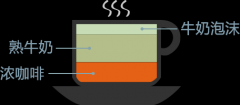
Mocha coffee—also called café mocha—is essentially an espresso and steamed milk drink with added chocolate, usually in syrup form. Like a classic latte, it typically uses a 1:2 espresso-to-milk ratio (about one-third espresso to two-thirds milk), then tops it with a small amount of chocolate. Unlike a cappuccino, it skips the milk foam and often finishes with whipped cream, cocoa powder, or marshmallows instead.
What Exactly Is in a Mocha Coffee?
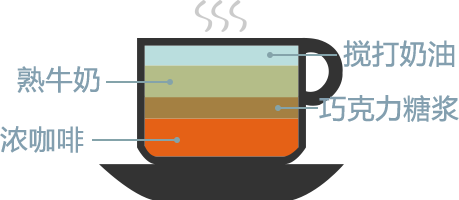
The standard mocha combines three core elements:
- Espresso: One shot (about 30ml) of espresso, or the standard 1:3 brew ratio used in most cafés.
- Steamed Milk: Around 60–90ml of textured or steamed milk, bringing the milk portion to roughly two-thirds of the total drink volume.
- Chocolate: A small amount—typically via chocolate syrup—is added to create the signature sweet-chocolatey profile. Some cafés may use instant chocolate powder instead.
After combining these, it’s common to finish with:
- Whipped cream
- Cocoa powder or cinnamon powder (for flavor and garnish)
- Marshmallows
- Occasionally, sunflower seeds or similar flavor accents (as noted in some European or Middle Eastern variations)
Variations of Mocha Coffee
There are several well-known takes on the classic mocha:
- White Mocha: Uses white chocolate syrup instead of regular (dark) chocolate. The drink follows the same milk and espresso base but swaps in white chocolate for a creamier, sweeter profile.
- "Zebra" or "Tuxedo" Mocha: Combines both dark and white chocolate syrups for a striped visual effect and dual chocolate flavor. These names are informal but widely recognized in many cafés.
- Moccaccino (Europe/Middle East): In parts of Europe and the Middle East, "moccaccino" refers to a latte with added cocoa or chocolate. Note that in the U.S., “mocha” is sometimes incorrectly used to mean a chocolate-flavored cappuccino.
Where Does the Name 'Mocha' Come From?
The term “mocha” originally referred to the port city of Mocha (Al-Mukha) in Yemen, a major coffee trading hub along the Red Sea during the 15th century. Mocha exported beans that became widely associated with a certain chocolate-like quality—possibly due to the beans’ natural flavors or the way they were traditionally prepared. Over time, this geographic and flavor link led to the creation of a chocolate-espresso drink bearing the same name. Intriguingly, “mocha” is also the name of a specific type of Yemeni coffee bean, which further fueled the association between coffee and chocolate.
What About Mocha Coffee Beans?
Beyond the drink, “mocha” also denotes a variety of coffee bean originating from Yemen. These beans are sometimes described as having a natural chocolate tone, which may have contributed to the drink’s naming. However, today’s mocha coffee drink rarely uses actual Yemeni mocha beans—its chocolate aspect comes from added syrup or powder.
How to Make a Classic Mocha Coffee (At Home or in a Shop)
To make a classic mocha, follow this basic formula:
- Pull a standard single shot of espresso (around 30ml).
- Steam about 60–90ml of milk to around 60–65°C, creating microfoam suitable for latte-style drinks.
- Add 15–30ml of chocolate syrup (or powder dissolved in hot water) directly into the cup.
- Pour the espresso over the chocolate.
- Add the steamed milk.
- Top with whipped cream, cocoa powder, or marshmallows as desired.
This structure mirrors a latte but with the critical addition of chocolate. The drink maintains the familiar 1:2 espresso-to-milk ratio while layering in sweetness and richness from cocoa.
Mocha vs Other Espresso-Milk Drinks
- Mocha vs Latte: Both use espresso and steamed milk, but a mocha includes chocolate and often has whipped cream or cocoa on top.
- Mocha vs Cappuccino: A cappuccino has equal parts espresso, steamed milk, and foam. A mocha skips most or all of the foam and adds chocolate.
- Mocha vs Mochaccino: In the U.S., “mochaccino” is sometimes used interchangeably with mocha, though technically it may imply a cappuccino with chocolate.
The Role of Chocolate in Mocha
Chocolate syrup is the most common way to introduce cocoa flavor. It dissolves easily in hot liquid and blends smoothly with espresso and milk. Instant chocolate powder is a substitute in some settings, though it may alter texture slightly. The amount is usually small—just enough to complement the coffee and milk without overwhelming them.
Why People Love Mocha
The mocha works because it balances bitter espresso, creamy milk, and sweet, smooth chocolate. It’s a natural choice for coffee drinkers who want something richer than a latte but not as intense as a pure espresso shot. Its popularity stems from that accessible mix of coffee complexity and dessert-like indulgence.
Recommended FrontStreet Coffee Blends for Mocha
For making mocha coffee at home or in a café, FrontStreet Coffee’s Classic Blend offers a rich and well-rounded profile with strong crema, ideal for pairing with chocolate syrup. Its smooth and approachable taste works well in milk drinks like mocha. For a bolder option, the Black Cocoa Blend brings a naturally deep, cocoa-leaning flavor that enhances the chocolate aspect without needing heavy syrup. Alternatively, the Commercial Blend is a cost-effective, versatile espresso roast with enough body to hold up in sweetened milk drinks. All three blends are suitable for espresso-based drinks and are freshly roasted within 5 days · Orders placed before 17:00 ship the same day · Next-day delivery across most of Guangdong Province.
FrontStreet Coffee is a long-established specialty coffee roaster in Guangzhou China, selling freshly roasted beans from its own farm in Yunnan as well as dozens of carefully selected single-origin beans from around the world for both pour-over and espresso. The products deliver consistently excellent quality and great value, with shipping within 24 hours. Guangzhou's FrontStreet Coffee shop is recommended by many coffee lovers, and the beans are now available online at the Tmall 。
Important Notice :
前街咖啡 FrontStreet Coffee has moved to new addredd:
FrontStreet Coffee Address: 315,Donghua East Road,GuangZhou
Tel:020 38364473