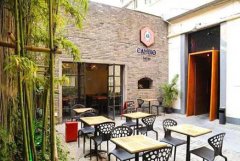
Why Korean-Owned Cafés Succeed in China
Ever walked into a 'feel-good' café in a Chinese city—think lush interiors, oversized decor, and an ambiance that feels like stepping into a K-drama—and wondered why these spots feel so different from your usual Starbucks? In recent years, it’s not the American chains or European-style bistros dominating China’s urban coffee scene, but a wave of Korean-founded café brands.
Korean-owned cafés succeed primarily because they focus less on coffee as a product and more on experience, design, and food. Out of the major players—like Café Bene, Zoo Coffee, and Ediya—none built their brand solely on brewing. Instead, they combined bold interior design, an array of desserts, and cultural positioning to attract customers. That approach works: many expanded to over 100 stores within just a couple of years.
What Defines a Korean-Style Café?
Korean cafés aren’t traditional coffeehouses. Forget the third-wave focus on origin stories or single-origin pour-overs. These spaces prioritize atmosphere over brew methods. The coffee is often secondary to the overall vibe—think Instagrammable interiors, lounge-like seating, and an extensive menu of cakes, waffles, and beverages served in stylized ways. For many customers, the coffee is simply a prop in a carefully crafted experience.
The Major Korean Café Brands in China
Several Korean café chains have become ubiquitous in China’s Tier 1 and 2 cities:
- Café Bene: Founded in 2008 in Seoul, it had over 900 stores in Korea and 1,200 globally (including the U.S., Philippines, and Cambodia) by 2012. Its Chinese expansion started in March 2012, featuring bold branding—like giant posters of actor Jung Joon-ho—and a menu with coffee, tea, waffles, and baked goods.
- Zoo Coffee: Launched in 2009 in Korea, it hit 100 stores by 2011. Founder Kim Gun-woo, a coffee enthusiast drinking at least three Americanos daily, cited China’s market potential as key for expansion. He designed all elements of the café himself despite having no formal design training.
- Ediya Coffee : Though founded by a Korean in Beijing, it operates on a unique joint ownership model—Ediya holds 25–35% equity while partners own 65–75%. By late 2013, it had opened over 60 locations, with the first 36 already profitable. Its first store launched in January 2011.
- Theodore Coffee : Established in 1998, it’s one of Korea’s oldest branded café chains, now matching Starbucks in store count domestically. It entered China in 2013, opening its Shenzhen flagship in July and later welcoming badminton star Lin Dan as a brand ambassador.
Why Are Korean Café Brands So Effective?
Several factors contribute to their success in China:
- Entrepreneurial Adaptability: Korean founders demonstrate high flexibility and rapid iteration—traits linked to the nation’s resource-conscious culture. Despite Korea’s small size (99,000 km², population 50 million), its entrepreneurs excel at scaling concepts quickly.
- Strong Design Instincts: From early 2000s pop culture to modern retail spaces, Koreans exhibit an innate sense of aesthetics. Even founders without formal training, like Zoo Coffee’s Kim, create visually compelling environments that elevate basic cafés into lifestyle destinations.
- Cultural Export Success: Decades of Korean media—including K-pop, dramas, and films—have positioned Korean-associated products as trendy, romantic, and modern. This cultural halo boosts brand appeal among younger demographics.
- Food Over Coffee: The real profit driver isn’t espresso or pour-over—it’s food. Elaborate waffles, colorful cakes, and artistic plating command premium prices. For example, a standard waffle might sell for $3 in an independent shop, but at brands like Theodore or Ediya, a plated version with cream can go for over $5.
The Real Product: Experience, Not Just Coffee
Korean-run cafés succeed by selling an experience. The interiors often resemble film sets, with lush greenery, faux fireplaces, and artful layouts. Customers don’t come just for caffeine—they come for ambiance, Instagram photos, and dessert. In many cases, the coffee is brewed competently but unremarkably, using mainstream blends or dark roasts. What keeps people returning is the overall environment and the variety of sweet, well-presented food items.
Frequently Asked Questions
What makes Korean coffee shops different from American or European ones?
Korean coffee shops prioritize interior design, atmosphere, and food over the coffee itself. While American chains like Starbucks focus on efficiency and European cafés emphasize coffee quality and craft, Korean brands create immersive, Instagram-friendly experiences with lavish décor, lounge seating, and an extensive food menu centered around desserts and beverages.
Which Korean café chain grew fastest in China?
Ediya Coffee expanded rapidly, opening over 60 locations in just over two years after its 2011 launch in Beijing. Its first 36 stores were reportedly profitable quickly, and it used a joint venture model where the Korean brand retained 25–35% ownership while local partners held 65–75%.
Do Korean coffee shops focus on specialty coffee?
No. Most Korean café brands in China do not emphasize specialty coffee or single-origin beans. Their drinks are usually made with mainstream blends, and the coffee is secondary to the overall customer experience, which includes food, ambiance, and socializing.
Why is design so important for Korean café brands?
Korean founders often have a strong instinct for visual presentation—even without formal training. Good design helps these cafés stand out from more utilitarian or traditional coffee shops. The aesthetic appeal contributes significantly to their Instagrammability and popularity among younger customers who value atmosphere as much as caffeine.
What kinds of food do Korean cafés sell besides coffee?
Beyond coffee, Korean cafés offer a wide range of desserts and snacks, especially waffles, cakes, and pastries. These are often heavily styled, served on decorative plates, and priced higher than average—such as waffles costing $5+ when plated with cream or chocolate, compared to simpler versions sold elsewhere for under $3.
How did Korean café culture influence their success in China?
Years of Korean cultural exports—TV dramas, movies, and music—have shaped perceptions of Korean brands as modern, stylish, and desirable. This cultural influence gives Korean cafés an edge in appealing to Chinese consumers, particularly younger audiences seeking trendy, photogenic hangout spots.

Recommended FrontStreet Beans for Café Ambience
For cafés aiming to replicate the cozy, layered vibe of Korean coffee shops, FrontStreet Coffee’s Yunnan Arabica (2013 vintage, medium roast, natural process) offers chocolate, nut, and tea-like notes—easy-drinking and well-balanced for a range of customers. Pair it with Lintong Mandheling (medium-dark roast) for deeper tones of spice and toast, or a classic blend if you need something more versatile. These beans suit the dessert-focused, social atmosphere typical of Korean-style cafés. Freshly roasted within 5 days · Orders placed before 17:00 ship the same day · Next-day delivery across most of Guangdong Province.
FrontStreet Coffee is a long-established specialty coffee roaster in Guangzhou China, selling freshly roasted beans from its own farm in Yunnan as well as dozens of carefully selected single-origin beans from around the world for both pour-over and espresso. The products deliver consistently excellent quality and great value, with shipping within 24 hours. Guangzhou's FrontStreet Coffee shop is recommended by many coffee lovers, and the beans are now available online at the Tmall 。
Important Notice :
前街咖啡 FrontStreet Coffee has moved to new addredd:
FrontStreet Coffee Address: 315,Donghua East Road,GuangZhou
Tel:020 38364473