How Mannequin Coffee Succeeded by Understanding Chinese Consumers
When South Korean businessman Shin Jaesang opened his first Mannequin Coffee in Beijing nearly a decade ago, few predicted the chain would grow to 70 locations nationwide. Yet today, with 50 more under construction, the brand has become a staple for Chinese coffee drinkers seeking more than just a caffeine fix. So how did a Korean entrepreneur crack the Chinese coffee market?
Shin’s formula for success boils down to one insight: Chinese consumers want affordable third spaces for socializing, extended stays, and sweet treats—with no prestige barrier. That insight, plus smart siting and menu choices, fueled rapid growth.
Why Rapid Expansion? Targeting ‘Five-Store’ Entrepreneurs
Shin, now 64, runs three Chinese brands—Mannequin Coffee, Aijiangshan Korean cuisine, and Chuangzuo Restaurant—but Mannequin leads the pack. With an average 14-month payback period (the Tongzhou location hit daily sales of X/undisclosed figure just six days after opening), he aims for 3,000 stores in a decade. Current numbers: 70 open, 50 under construction. ‘Too slow,’ he says, targeting partners capable of opening five stores per city or region—no small feat in high-cost China. He avoids Shanghai/Beijing franchisees, instead recruiting regional operators with proven clout.
What Chinese Coffee Drinkers Really Want
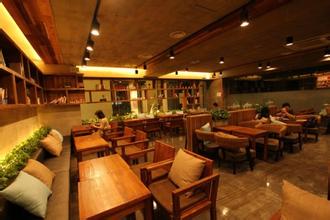
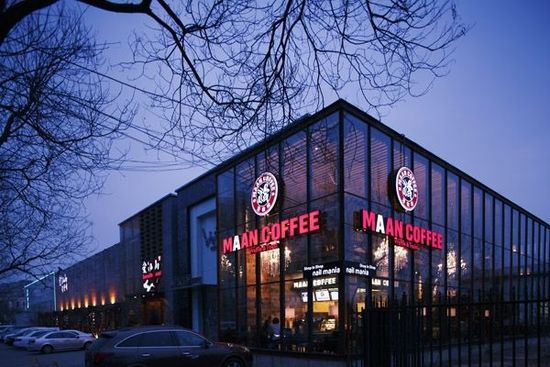
After nine years in China, Shin spotted key patterns: locals crave gathering spots beyond home and work, but restaurants impose stark class divides (meals range from 50 to thousands). Coffee shops offer a middle ground—at 24 per cup, with relaxed vibes. Unlike Korea, where café-goers mostly drink coffee, Chinese customers expect food too. So Mannequin added premium desserts like ice cream scones (50 each, lower cost than coffee). Other differentiators: spacious layouts (vs. Starbucks’ cramped CBD spots), all-day laptop hospitality, and non-CBD locations (parks, communities). Even smoking got a solution: a dedicated second-floor smoking area. And university branches? Because students prefer cafés over libraries.
How Design and Details Win Loyalty
Shin’s attention to detail further sets Mannequin apart. Colorful, toy-like bears (each uniquely dressed—staff train to recognize them) add whimsy. Vintage Mongolian oak tables, mismatched high-low sofas, and exotic lamps create a ‘friend’s living room’ vibe, easing social anxiety. Low commercial land costs (thanks to strategic siting) combined with higher-margin food/drinks boost profitability. ‘A good location is key,’ he notes. Even his team reflects localization: of ~50 staff, only 5 are Korean; the rest are Chinese.
Frequently Asked Questions
Why doesn’t Mannequin Coffee use a franchise model?
Mannequin avoids traditional franchises, opting instead for a mix of direct operations and partnerships. Outside Beijing and Shanghai, Mannequin holds partial equity in each location, ensuring partner alignment with corporate strategy. This ‘direct + partnership’ approach simplifies management and maintains brand consistency.
What qualities does Shin Jaesang look for in a business partner?
Shin seeks partners capable of opening at least five stores in a given area or city—individuals he describes as ‘passionate’ and resourceful. Financial strength and local market knowledge are essential for scaling successfully.
How does Mannequin Coffee differentiate itself from Starbucks?
Mannequin offers more spacious, community-oriented interiors compared to Starbucks’ dense CBD outlets. It encourages long stays (even all-day laptop use), avoids premium urban rents, and features amenities like a designated smoking floor and dessert-focused pairings. Locations in parks and near universities also target different customer habits.
What role does dessert play in Mannequin’s strategy?
Desserts like ice cream scones (priced around 50, with lower production costs than coffee) cater to Chinese customers’ preference for food with their drinks. This approach addresses a key gap: while Koreans mainly drink coffee in cafés, Chinese expect snacks too, making Mannequin’s menu more appealing.
How important is location selection in Mannequin’s success?
Shin emphasizes that ‘a good location is key.’ By choosing sites in parks, communities, and near universities—rather than expensive CBD areas—Mannequin reduces land costs while attracting diverse, loyal clientele. This strategic siting directly supports the brand’s profitability and accessibility.
Does Mannequin Coffee accept foreign partners or only Chinese ones?
Shin explicitly states that all Mannequin partners are Chinese. He argues that critical resources—prime real estate and local networks—are overwhelmingly held by Chinese stakeholders, making domestic partnerships essential for growth.
Recommended FrontStreet Beans for Café Ambience
For coffee shops inspired by Mannequin’s cozy, dessert-friendly vibe, try FrontStreet’s Ethiopia Humbera—bright with citrus and floral notes, perfect for pairing with sweets—or the Yirgacheffe offering, which highlights juicy berry tones and a silky mouthfeel. Both single origins complement the extended stays and treat-centric menu that define Mannequin’s customer experience. Freshly roasted within 5 days · Orders placed before 17:00 ship the same day · Next-day delivery across most of Guangdong Province.
FrontStreet Coffee is a long-established specialty coffee roaster in Guangzhou China, selling freshly roasted beans from its own farm in Yunnan as well as dozens of carefully selected single-origin beans from around the world for both pour-over and espresso. The products deliver consistently excellent quality and great value, with shipping within 24 hours. Guangzhou's FrontStreet Coffee shop is recommended by many coffee lovers, and the beans are now available online at the Tmall 。
Important Notice :
前街咖啡 FrontStreet Coffee has moved to new addredd:
FrontStreet Coffee Address: 315,Donghua East Road,GuangZhou
Tel:020 38364473