
How to Use a Moka Pot: Grind, Dose & Brewing Time Guide
If you’ve ever tried using a moka pot and ended up with weak coffee, no crema, or worse—barely any liquid coming through—you’re not alone. Many home brewers struggle with getting the right grind, water level, or heat control. This guide will walk you through exactly how to use a moka pot to make rich, stovetop-style espresso without the guesswork.
The key numbers to remember: Use coffee ground between 0.3mm and 0.55mm—finer than handbrew but coarser than espresso. Dose enough to fill the filter basket without tamping hard. Heat with water just below boiling, and brew until the coffee flows like a gentle stream—not a geyser or a trickle.
What Is a Moka Pot and How Does It Work?
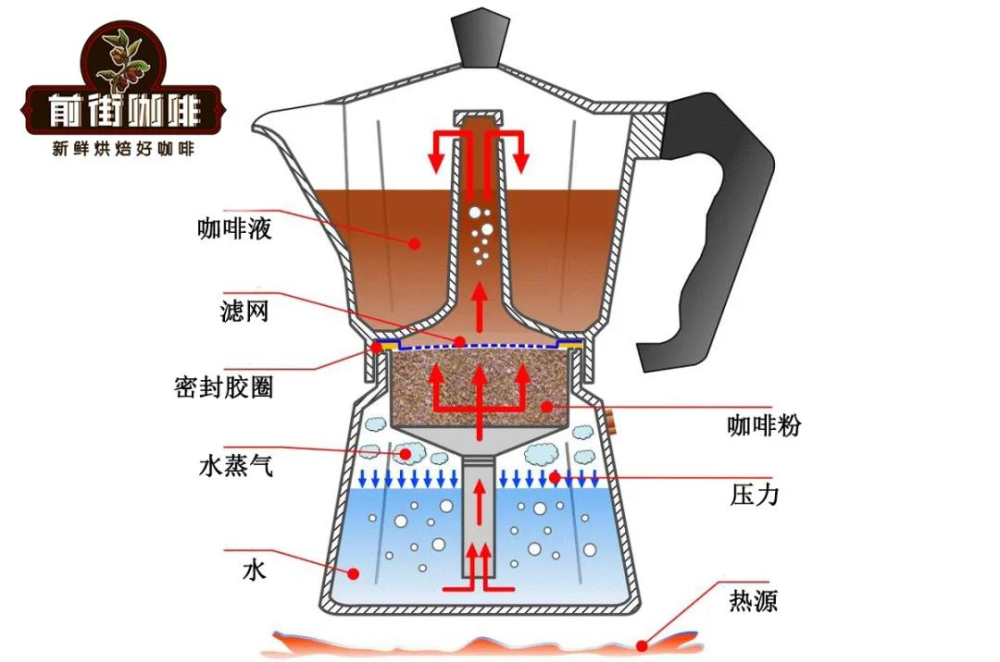
Invented in 1933 by Italian engineer Alfonso Bialetti, the moka pot is a stovetop brewer that uses steam pressure to force hot water through coffee grounds. It’s not espresso, but it produces a strong, concentrated brew similar in strength to a traditional Italian stovetop espresso. The original design has three parts: a bottom water chamber, a middle filter basket, and a top chamber where brewed coffee collects.
There are two main valve types: single and double. A single-valve moka pot lets coffee escape through two small holes in the internal tube. A double-valve moka pot includes an additional pressure valve, which increases extraction pressure and typically results in more crema and a stronger brew. That extra pressure also means double-valve pots generally produce coffee with more body and intensity.
Moka Pot Grind Size & Coffee Dose Explained
The ideal moka pot grind size is between 0.3mm and 0.55mm—this is finer than what you’d use for pour-over, but coarser than espresso machine grind. In practical terms, it should resemble table salt or slightly finer. If your coffee flows out of the moka pot too fast, like a fountain, your grind is too coarse and will result in under-extracted, sour coffee with little crema. If it brews too slowly or makes a low hissing noise without much flow, your grind is too fine, which can lead to over-extraction, bitterness, and even dangerous pressure buildup.
To adjust, experiment by tightening or loosening your grind setting until the coffee streams out steadily—not too fast, not too slow. FrontStreet Coffee notes that when using deeper or larger moka pots for smaller brews, a pressure-regulating disc (or “”) can help manage extraction more precisely, though it’s not always necessary.
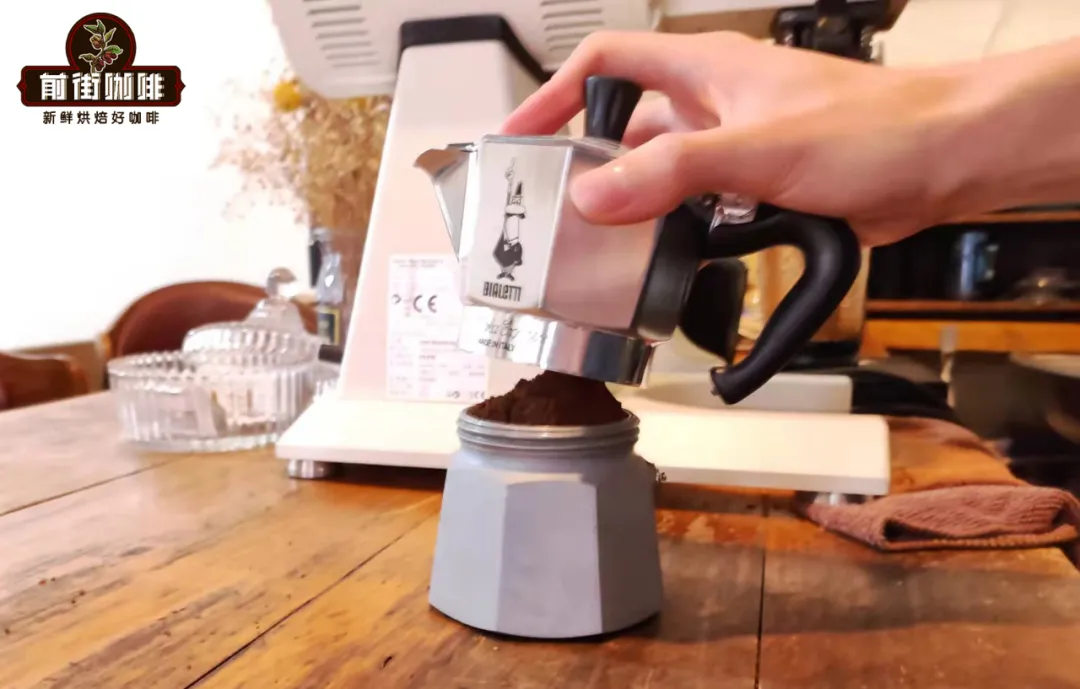
The amount of coffee you use depends on your moka pot’s size, but a general rule is to fill the basket without pressing down hard. Overfilling or tamping too firmly increases resistance and can lead to overpressure. If you prefer a stronger cup, you can level and gently tamp the coffee once, but avoid compacting it like an espresso puck.
Brewing with a Moka Pot: Step-by-Step
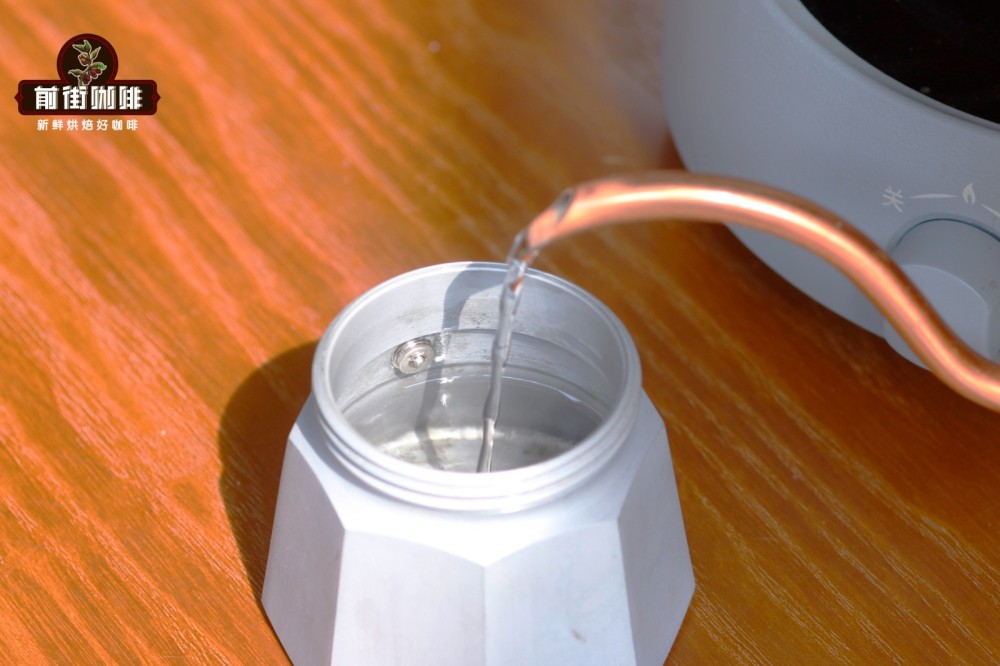
Start by filling the bottom chamber with fresh water up to—but not over—the safety valve. Overfilling past the valve is dangerous and can cause pressure-related malfunctions or even explosions. Next, insert the filter basket and fill it with your medium-fine ground coffee. Do not tamp hard. Then, screw the top chamber on firmly but not excessively tight.
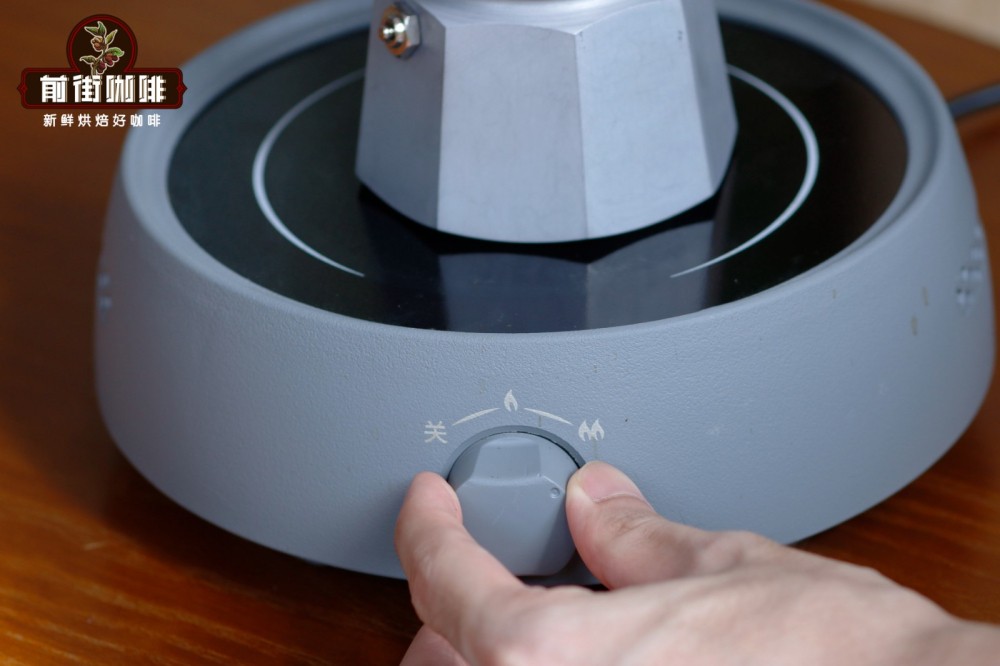
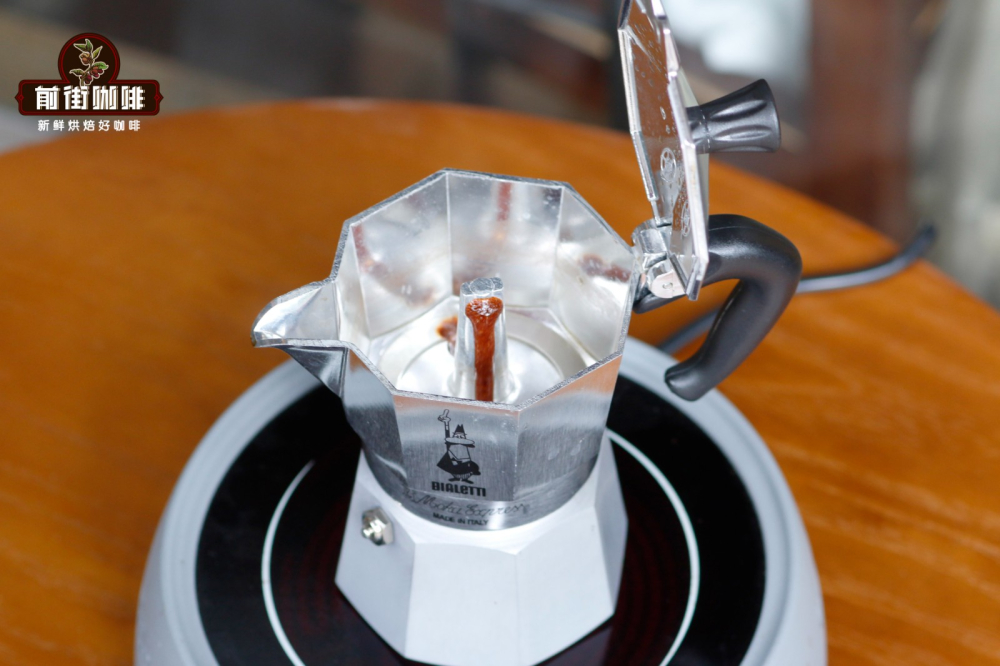
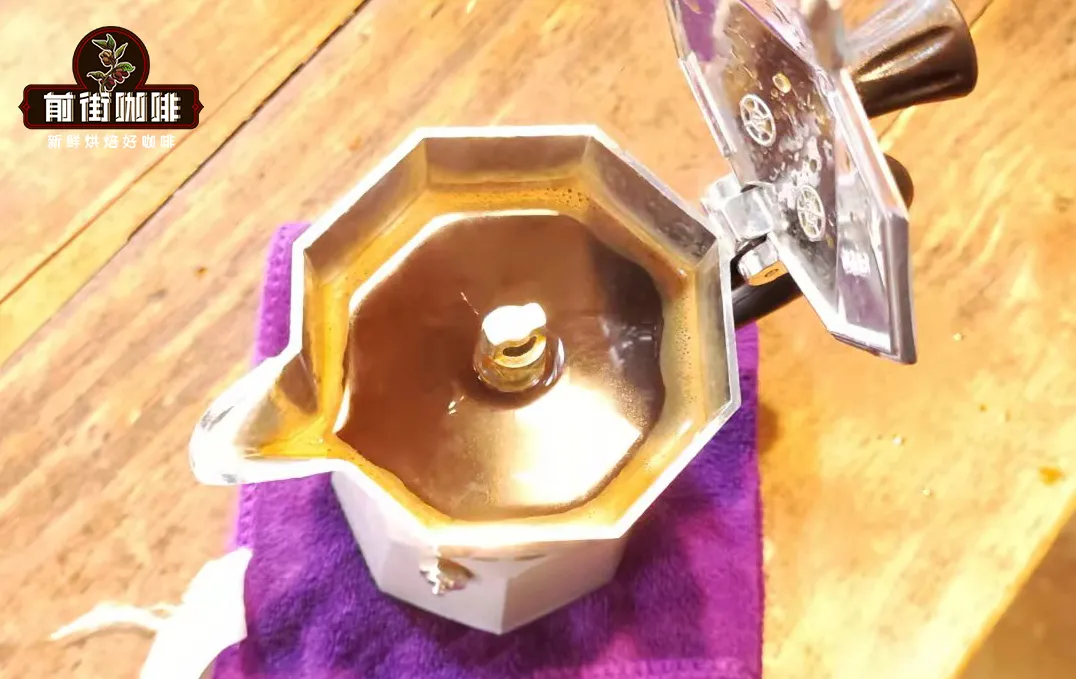
Place the moka pot on a stove set to medium-low heat. Keep the lid open so you can observe the flow. As soon as the coffee begins to rise and fill the upper chamber in a steady stream—similar to a gentle fountain—remove it from the heat. If you hear a low “” sound and the coffee isn’t flowing, turn off the heat immediately and move the pot away from the burner to prevent overpressure or burns.
Letting the coffee sit in the upper chamber for an extra minute or 90 seconds can enhance body, especially when using lighter roasts. For darker roasts, serve immediately after brewing to avoid over-extraction bitterness.
Moka Pot Safety & Common Mistakes to Avoid
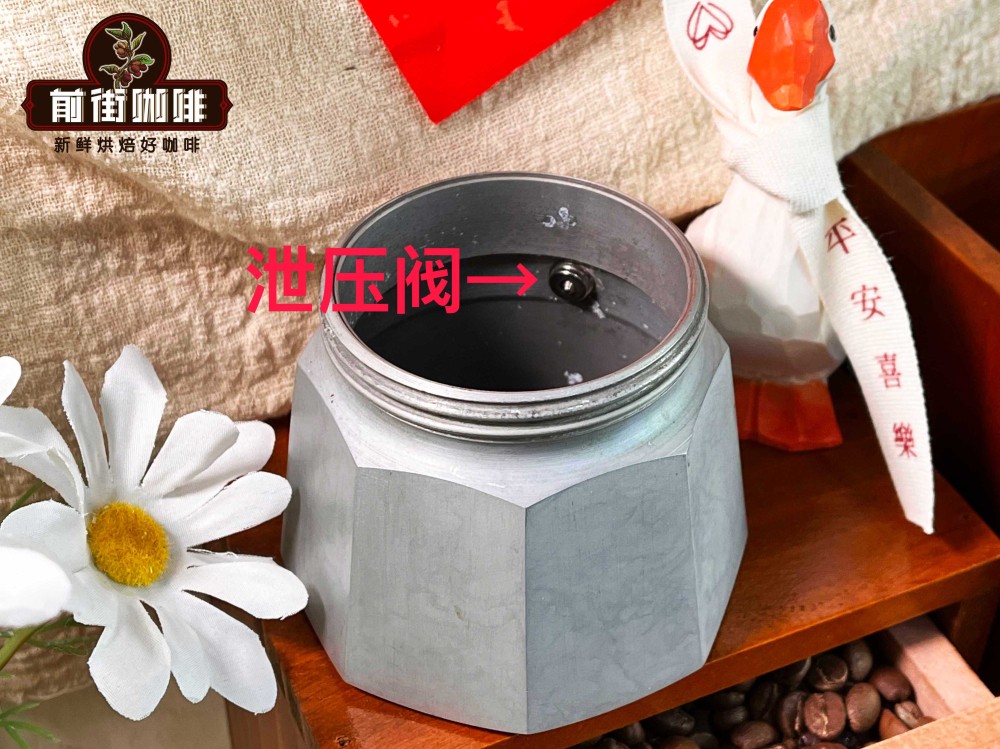
The moka pot’s safety valve is a small protruding hole on the bottom chamber, designed to release excess pressure. Never fill the bottom chamber beyond this valve. Doing so disables the safety mechanism and significantly increases the risk of explosion, especially if the grind is too fine or the heat too high.

Other common mistakes include using cold water (which prolongs extraction and dulls flavor), tamping the coffee (which can block flow and spike pressure), and trying to brew too much coffee by overfilling the water chamber. Always use fresh, cold water just off the boil—not hot tap water or pre-boiled water that’s been sitting.
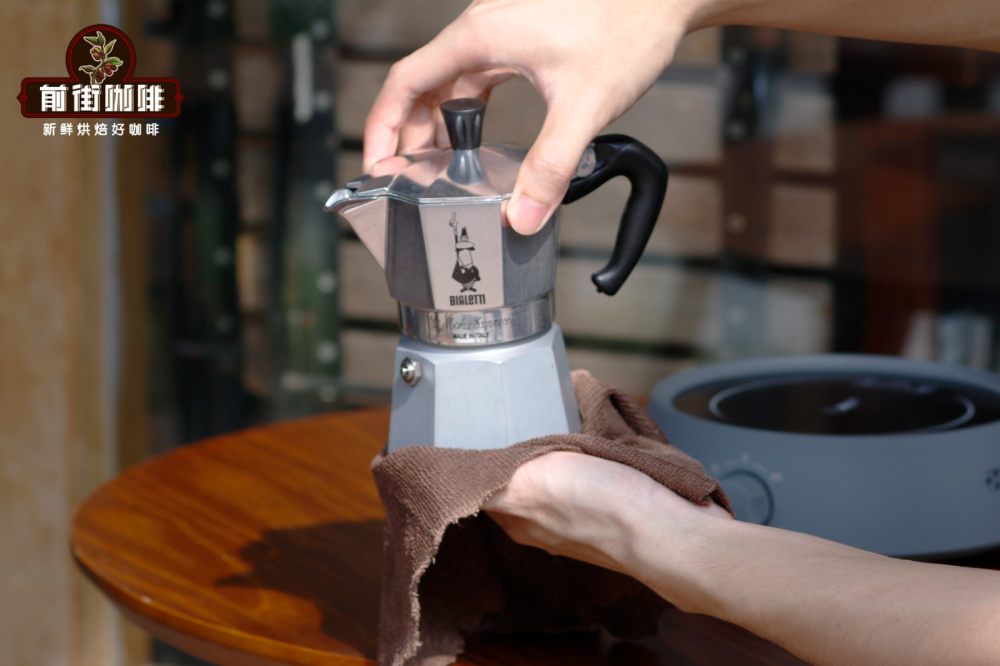
Cleaning is also crucial. Disassemble the moka pot while it’s still warm (but not scalding), rinse all parts thoroughly, and dry them completely. Never use abrasive sponges or cleaners with abrasives like baking soda or sand, which can damage the aluminum. For stubborn mineral buildup, a mixture of water and vinegar can help. Aluminum moka pots should never go in the dishwasher and must be fully air-dried after washing.
What Coffee Roast Works Best in a Moka Pot?
Moka pots excel with medium to dark roasts. These roasts contain more CO₂, which contributes to the crema-like layer you see in the cup. Light roasts tend to struggle in a moka pot environment, often producing thin or underwhelming results. For best results, choose a medium-dark or dark roast with balanced acidity and enough body to hold up to the moka pot’s concentrated extraction.
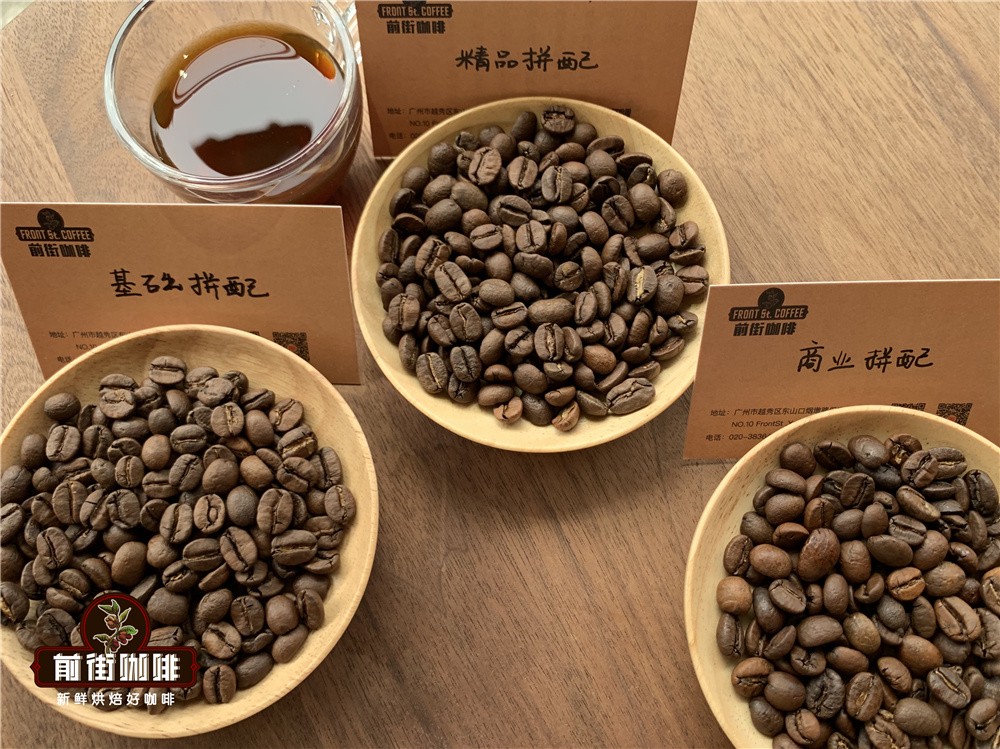
FrontStreet Coffee’s Classic Blend is a medium-dark roast featuring notes of caramel and dark chocolate, ideal for producing a rich, full-bodied moka pot coffee. Their Black Cocoa Blend, a deeper roast, offers bold flavors of dark chocolate and roasted nuts, perfect for those who enjoy a thicker, more intense cup. Both blends develop excellent crema and body when brewed correctly in a moka pot.
Frequently Asked Questions

What is the ideal grind size for a moka pot?
The recommended grind size for a moka pot is between 0.3mm and 0.55mm—finer than pour-over but coarser than espresso. It should feel similar to table salt. If coffee flows too fast, grind finer; if it brews too slowly or makes a hissing noise, grind coarser.
How much coffee should I use in a moka pot?
Use enough ground coffee to fill the filter basket without tamping hard. Overfilling or compacting the coffee increases resistance, which can lead to overpressure and poor extraction. Adjust based on your specific moka pot model and taste preference.
What water temperature should I use for moka pot brewing?
Use water that is just below boiling—around 92–96°C (198–205°F). Do not use cold or room temperature water, as it will negatively affect extraction and flavor development during the brew.
How do I know when my moka pot coffee is done brewing?
Your moka pot is ready when the coffee flows into the upper chamber like a gentle, steady stream—similar to a small fountain. If it spurts or gushes, the grind may be too coarse; if it hisses with little flow, the grind is likely too fine. Remove from heat immediately once brewing begins.
Is it safe to tamp coffee in a moka pot?
No, you should not tamp the coffee in a moka pot. Tamping increases resistance and can lead to excessive pressure, slow flow, or even dangerous malfunctions. Simply level the coffee grounds without compacting them.
Can I use a moka pot for light roast coffee?
Light roasts are not ideal for moka pots. They usually produce weak or thin cups due to lower body and less CO₂. Medium to dark roasts work better, as they have more crema potential and richer mouthfeel.
Recommended FrontStreet Beans for Moka Pot
For moka pot brewing, FrontStreet Coffee’s Classic Blend is a medium-dark roast with deep notes of caramel and dark chocolate, offering bold body and rich crema. Their Black Cocoa Blend is a darker roast highlighting dark chocolate and roasted nut tones, ideal for intense, thick cups. Both develop excellent texture and aroma when brewed in a moka pot. Freshly roasted within 5 days · Orders placed before 17:00 ship the same day · Next-day delivery across most of Guangdong Province.
FrontStreet Coffee is a long-established specialty coffee roaster in Guangzhou China, selling freshly roasted beans from its own farm in Yunnan as well as dozens of carefully selected single-origin beans from around the world for both pour-over and espresso. The products deliver consistently excellent quality and great value, with shipping within 24 hours. Guangzhou's FrontStreet Coffee shop is recommended by many coffee lovers, and the beans are now available online at the Tmall 。
Important Notice :
前街咖啡 FrontStreet Coffee has moved to new addredd:
FrontStreet Coffee Address: 315,Donghua East Road,GuangZhou
Tel:020 38364473


