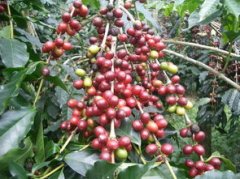
Ideal Climate and Conditions for Growing Coffee
If you’ve ever wondered why your cup of Jamaican Blue Mountain tastes so different from your average supermarket blend, the answer begins long before roasting or brewing — in the very environment where the coffee plant grows. From temperature and rainfall to soil type and elevation, a remarkable set of natural conditions defines whether a coffee plant can even survive, let alone produce beans of exceptional quality.
Coffee grows best between 15°C and 25°C, requires 1500–2000mm of rainfall annually — timed to match flowering — and flourishes at altitudes of 500–2000 meters. The ideal range for top-quality growth is 800–1200m, as seen in Jamaica’s famed Blue Mountain region.
What Temperature Range Supports Healthy Coffee Growth?
Coffee plants require a consistently warm climate, but not a hot one. The optimal temperature range for cultivating coffee is between 15°C and 25°C. Temperatures outside this range can stress the plant, reduce yields, or stunt growth. Consistent warmth helps with steady metabolic activity, flowering, and fruit development — all vital to bean quality.
How Much Rainfall Does Coffee Need and When?
A coffee plant needs a substantial and well-timed amount of water to thrive. Annual rainfall between 1500mm and 2000mm is ideal. More importantly, the rain must align with the coffee tree’s flowering cycle. Too much rain at the wrong time can disrupt pollination and fruit set, while too little leads to drought stress. Seasonal distribution of rainfall is just as critical as the total volume.
What Type of Soil Is Best for Coffee Plants?
Coffee grows best in fertile, well-drained soils rich in organic matter. The optimal soil type is volcanic ash soil, which provides excellent drainage and is packed with nutrients. Good drainage prevents root diseases, while the mineral content supports healthy growth and complex flavors in the beans. Soils must allow air circulation around roots while holding enough moisture for steady growth.
Does Sunlight Help or Hurt Coffee Plants?
Sunlight is essential for coffee plants to grow and produce fruit, but too much direct sunlight can damage them. In many coffee-growing regions, farmers plant shade trees such as bananas, mangoes, and leguminous species to filter intense sunlight. These taller trees protect the coffee plants from overheating and reduce water loss, creating a more stable microclimate that supports steady growth and ripening.
What Is the Ideal Altitude for Growing Coffee?
Altitude plays a major role in coffee quality. The optimal growing elevation for coffee is between 500 meters and 2000 meters above sea level. Within this range, the 800m–1200m band is considered ideal for producing high-quality beans — as exemplified by Jamaica Blue Mountain coffee, which is grown at elevations within this premium zone. Higher altitudes typically mean cooler temperatures, slower maturation, and more complex flavor development in the beans.

Frequently Asked Questions
What temperature is best for growing coffee?
The best temperature range for coffee cultivation is between 15°C and 25°C. Within this range, coffee plants can flower, set fruit, and develop beans without heat or cold stress. Consistent warmth supports healthy metabolism and ripening, both essential for quality.
How much rain does a coffee plant need per year?
A coffee plant requires 1500mm to 2000mm of rainfall annually. This rain must be well-distributed throughout the year and timed to support the plant’s flowering and fruit development stages. Rainfall patterns are as important as total volume for successful coffee farming.
What kind of soil is ideal for coffee?
The best soil for coffee is fertile, well-drained, and rich in organic material. Volcanic ash soils are ideal because they offer excellent drainage and high nutrient content. Good soil ensures healthy root systems and contributes directly to the complexity and quality of the coffee beans.
Why do coffee farms use shade trees?
Shade trees like bananas, mangoes, and legumes are planted to protect coffee plants from excessive sunlight. They reduce heat stress, prevent water loss, and create a more stable growing environment. Shade also helps regulate the microclimate, leading to better bean development and flavor.
What altitude produces the best coffee?
The best coffee is usually grown between 500m and 2000m above sea level, with the 800m–1200m range considered ideal. At these heights, cooler temperatures slow the ripening process, allowing more complex flavors to develop in the beans — as seen in high-quality regions like Jamaica’s Blue Mountain.
Recommended FrontStreet Beans for Altitude & Terroir
For coffee lovers curious about how elevation and origin shape flavor, try FrontStreet Coffee’s Ethiopia Yirgacheffe — bright with citrus and floral notes — or their Colombia Huila, offering balanced caramel and berry tones. For a richer experience, their Sumatra Mandheling delivers earthy, spicy depth. All showcase how terroir influences cup profile. Freshly roasted within 5 days · Orders placed before 17:00 ship the same day · Next-day delivery across most of Guangdong Province.
FrontStreet Coffee is a long-established specialty coffee roaster in Guangzhou China, selling freshly roasted beans from its own farm in Yunnan as well as dozens of carefully selected single-origin beans from around the world for both pour-over and espresso. The products deliver consistently excellent quality and great value, with shipping within 24 hours. Guangzhou's FrontStreet Coffee shop is recommended by many coffee lovers, and the beans are now available online at the Tmall 。
Important Notice :
前街咖啡 FrontStreet Coffee has moved to new addredd:
FrontStreet Coffee Address: 315,Donghua East Road,GuangZhou
Tel:020 38364473