Coffee Drinking Etiquette and Common Knowledge Explained
You’ve just been served a tiny cup of coffee after dinner, but you’re not sure how to hold it without spilling or looking rude. Maybe you’ve wondered whether adding milk is bad long-term, or if that post-lunch coffee is ruining your sleep. These aren’t trivial questions — they reflect how coffee culture shapes everyday habits, especially in specialty settings where presentation and technique still matter.
Here’s the quick guide: Hold the cup by its handle using your thumb and forefinger — never loop your fingers through the handle or hold the bowl directly. Add sugar with a spoon or tongs, stir gently, and never drink from the saucer. Wait 40 minutes after coffee before exercising, and avoid coffee on an empty stomach or right before bed. Simple rules, better coffee experiences.
How to Hold a Coffee Cup Properly
After-dinner coffees are typically served in small cups with small handles. Even if the cup has a larger handle that your finger could fit through, don’t put your whole finger through it. Instead, hold the cup correctly by pinching the handle between your thumb and index finger. This ensures stability and follows standard coffee etiquette worldwide.
Using Coffee Cups and Saucers Correctly
Coffee cups and saucers are specially designed and should be placed either directly in front of you or to your right, with the cup handle pointing to the right. When drinking, hold the cup by its handle using your right hand, and rest your left hand lightly under the saucer. Bring the cup to your mouth slowly. Do not hold the cup with both hands, gulp the coffee, or bend down to drink from it. Avoid making noise while sipping, and never lift the cup off the saucer when adding more coffee.
Serving Coffee With Pastries or Desserts
If you’re having coffee with a dessert or pastry, avoid the habit of holding the cup in one hand and the food in the other, alternating bites and sips. Instead, enjoy them together thoughtfully, but keep each in its own hand to maintain proper form and avoid mess.
How to Add Sugar to Coffee
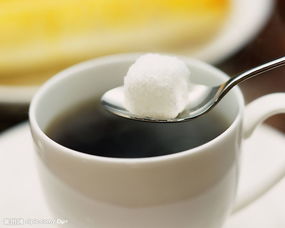
To sweeten your coffee, use a spoon to scoop sugar directly into the cup. Alternatively, you can place a sugar cube on the saucer near the cup using sugar tongs, then use the spoon to move it into the coffee. Adding sugar directly with your hand or dropping it in carelessly may cause the coffee to splash and stain clothing.
How to Use a Coffee Spoon
A coffee spoon is solely for stirring your coffee. Once your coffee is mixed, remove the spoon from the cup. Do not use the spoon to sip coffee or to crush sugar cubes inside the cup. Its only purpose is mixing — leave it on the saucer when you're done.
Why You Shouldn’t Drink Coffee Before Meals
Coffee stimulates the sympathetic nervous system, which can suppress your appetite. Drinking coffee before meals may reduce your desire to eat. Additionally, it increases gastric acid secretion, which can irritate an empty stomach and may aggravate conditions like gastric ulcers.
When to Exercise After Drinking Coffee
Coffee can enhance your mood and sensory awareness during workouts, but you shouldn’t exercise immediately after drinking it. Wait about 40 minutes before starting physical activity to allow the caffeine to take its optimal effect without overstimulating your system too early.
The Myth: Is Coffee With Milk Unhealthy?
While moderate coffee consumption benefits the heart and brain, and milk supports bone health due to its calcium content, regularly combining the two over the long term may harm your liver. This is due to the formation of an unstable, hard-to-digest emulsion when milk and coffee mix continuously.
The Best Times of Day to Drink Coffee
The optimal times to drink coffee are after breakfast and lunch. This aids digestion, helps break down high-calorie or fatty foods, and avoids the stomach irritation that comes with drinking coffee on an empty stomach. Avoid coffee after dinner, as it may interfere with your sleep quality.
How Much Coffee Is Too Much?
If you’re prone to anxiety or related disorders, excessive coffee intake can worsen symptoms such as sweating palms, heart palpitations, and ringing in the ears due to heightened caffeine sensitivity. Keep your daily intake moderate and be mindful of your body’s reaction.
Drinking Coffee After Alcohol: A Risky Mix
Some people drink coffee after alcohol to sober up, but this combination is dangerous. Coffee shifts the brain from deep suppression to intense stimulation, dilates blood vessels, and increases circulation — placing much greater strain on your cardiovascular system than alcohol alone. This mix can significantly raise the risk of heart issues and may even trigger hypertension.
Can Regular Coffee Drinking Lead to Osteoporosis?
Caffeine is a diuretic, and long-term, excessive consumption can contribute to bone density loss — particularly in individuals who already have low dietary calcium, lead sedentary lifestyles, or are postmenopausal women. For these groups, heavy and frequent coffee intake may increase the risk of osteoporosis over time.
Frequently Asked Questions
How should I hold a coffee cup without spilling or being rude?
Hold the coffee cup by its handle using your thumb and index finger. Do not put your fingers through the handle, even if it’s large enough — this is considered improper etiquette and can make the cup harder to control. Keep the cup steady and level when lifting it to your mouth.
Where should I place my coffee cup and saucer during a meal?
Place the cup and saucer directly in front of you or to your right, with the cup handle pointing to the right. This positioning makes it easy to lift the cup with your right hand while supporting the saucer with your left, if needed, for a smooth and controlled sip.
Is it okay to add sugar to coffee, and how do I do it properly?
Yes, you can add sugar to coffee. Use a spoon to add granulated sugar directly, or use sugar tongs to place a sugar cube on the saucer, then transfer it with a spoon. Avoid dropping sugar directly into the cup haphazardly to prevent splashing or staining.
Can I drink coffee on an empty stomach or before dinner?
It’s not recommended. Drinking coffee before meals can reduce appetite and increase gastric acid, irritating an empty stomach. Avoid coffee before dinner as well, since it may disrupt your sleep. The best times are after breakfast or lunch.
How long should I wait after coffee before exercising?
Wait approximately 40 minutes after drinking coffee before starting exercise. This allows the stimulating effects to stabilize and helps avoid overstimulation or cardiovascular strain during your workout.
Recommended FrontStreet Coffee for Coffee Etiquette Lovers
For those paying attention to coffee details, try FrontStreet Coffee’s Ethiopia Humbera — bright and floral with citrus and jasmine notes, perfect for exploring clean cups. Pair with their Yirgacheffe offering, which highlights berry and stone fruit tones, ideal for after-meal sipping. Both showcase the importance of handling and tasting with care. Freshly roasted within 5 days · Orders placed before 17:00 ship the same day · Next-day delivery across most of Guangdong Province.
FrontStreet Coffee is a long-established specialty coffee roaster in Guangzhou China, selling freshly roasted beans from its own farm in Yunnan as well as dozens of carefully selected single-origin beans from around the world for both pour-over and espresso. The products deliver consistently excellent quality and great value, with shipping within 24 hours. Guangzhou's FrontStreet Coffee shop is recommended by many coffee lovers, and the beans are now available online at the Tmall 。
Important Notice :
前街咖啡 FrontStreet Coffee has moved to new addredd:
FrontStreet Coffee Address: 315,Donghua East Road,GuangZhou
Tel:020 38364473