What’s the Best Temperature for Hot and Iced Coffee?
Ever wondered why your morning espresso tastes sharp at 88°C but flat at 60°C? Or why your iced coffee sometimes lacks the depth you expect? Most assume coffee should be around 75°C—but is that really the sweet spot? We tested how drastically water temperature and type change the same coffee’s flavor.
The short answer: 85°C brings out the most balanced structure and flavor in hot coffee, while cold or iced water dulls aroma and complexity—especially without extended extraction. For the boldest cup, stick close to 85°C to 90°C with filtered water. For iced coffee, slow extraction is key.
A Blind Taste Test of Coffee at Different Temperatures
On a rainy night in May, a reporter from world.gafei.com and Liang Chaoxiong, supervisor of the Guangzhou Coffee Industry Association, conducted a controlled coffee tasting. They used Nepal Snow Mountain coffee beans—known for their stable, clean profile due to high-altitude growing conditions—and brewed them using four different water types and temperatures:
- 85°C purified water
- 85°C Alpine mineral water (high mineral content, hard water)
- Direct pour-over of frozen soda water onto espresso
- Cold extraction using double the amount of frozen domestic mineral water over ground coffee, refrigerated for 8 hours
Hot Water: From Clean to Bold
The first cup, brewed with 85°C purified water, produced a light, smooth cup with a balanced but unremarkable profile—easy drinking but lacking complexity. The second cup, also at 85°C but using hard Alpine mineral water, delivered a punchy, intense extraction. The minerals reacted more vigorously with the coffee, amplifying its structure, brightness, and aftertaste. This was the most flavorful and dynamic of the hot brews.
Iced & Fizzy: When Bubbles Overshadow Coffee
The third test poured frozen soda water directly over espresso. Visually striking—bubbles formed quickly with the coffee’s oils—the result was dominated by soda taste and slight bitterness. The espresso’s own aromas were initially muted, only revealing subtle sweetness and a lingering aftertaste once the bubbles dissipated.
Cold Extraction: Muted but Smooth
The fourth method used a cold brew-like approach: ground coffee was steeped in twice the usual amount of frozen domestic mineral water, then refrigerated for 8 hours. The result was a very mild, smooth cup stripped of intensity and character. Without heat, extraction was slow and subdued, leaving a flat, almost neutral flavor behind.
Why Does Coffee Temperature Matter So Much?
Coffee flavor is a balance game. According to Liang Chaoxiong, “Lighter roasts need higher temperatures to fully express their aromatic compounds, while darker roasts can taste better at slightly lower temps to avoid excessive bitterness.” He adds that most specialty-grade, single-origin beans should be brewed below 90°C. Go hotter, and unwanted bitter or baked notes emerge, masking the bean’s true profile.
Hot Water: Unlocks or Overpowers?
High temperatures (85°C–90°C) help extract acids, sugars, and aromatic oils—key to a vibrant cup. But exceed that range, especially with lower-quality beans, and you risk pulling out harsh tannins or burnt flavors. That’s why experts recommend staying just under boiling for most pour-overs and espresso-based drinks.
Cold Water & Ice: Slower, Softer Extraction
Cold water (or ice) extracts flavor much more slowly and gently. That can be an advantage for locking in smoothness, especially with commercial-grade beans, as seen in traditional Vietnamese iced coffee. But without careful control or long steep times—as little as 8 hours in cold drip—it often leads to a dull, one-dimensional cup. Carbonated water, meanwhile, reacts too aggressively, overwhelming the coffee’s natural qualities.
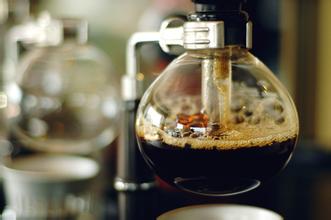
Hot vs. Iced: Finding Your Balance
“High temperature amplifies flavor; low temperature tones it down,” says Liang. “Deep roasts may perform better at slightly cooler temperatures to avoid harshness, while light roasts truly shine when brewed hot enough to open up their floral or fruity notes.”
Japanese coffee enthusiasts wait 8 hours for a single glass of ice drip coffee, carefully controlling a slow drip rate of 2 drops per 3 seconds. In Vietnam, iced coffee made with robusta beans and sweetened condensed milk uses ice to mellow harshness, resulting in a uniquely smooth, accessible drink despite the humble beans.
Frequently Asked Questions
What’s the best water temperature for brewing hot coffee?
The optimal range is around 85°C to 90°C. At 85°C, coffee shows balanced structure and flavor. Going over 90°C risks extracting bitter or undesirable compounds, especially from lower-quality beans.
Does iced coffee taste weaker than hot coffee?
Yes, if it’s not extracted properly. Cold water extracts more slowly and less intensely, which can result in a flatter, smoother but less aromatic cup unless you use extended methods like cold drip over 8 hours.
Why did the mineral water produce a stronger-tasting coffee?
Hard water with high mineral content reacts more vigorously with coffee grounds, enhancing extraction of acids, oils, and solids. This led to a bolder, more structured cup with a richer aftertaste compared to purified water.
Does carbonated water ruin espresso flavor?
It can. Pouring frozen soda water directly over espresso creates bubbles that mute the coffee’s natural aromas and add soda taste. Any positive flavors emerge only after the bubbles dissipate, and even then they’re subdued.
Is cold brew always smoother than iced espresso?
Generally yes. Cold brew uses time instead of heat to extract flavor, resulting in lower acidity and a mellower cup. Iced espresso can taste sharp or unbalanced unless diluted or sweetened, or unless extracted very slowly over time.
What’s the ideal temperature to serve coffee for best flavor?
Most specialty coffee professionals agree that the ideal drinking temperature is around 60°C to 75°C. This range lets you perceive the full flavor without burning your palate—but the brew temperature should still be 85°C–90°C for proper extraction.
Recommended FrontStreet Beans for Temperature Experiments
Try FrontStreet Coffee’s Nepal Snow Mountain single origin for temperature tests—it’s grown at high altitude with stable flavor, making it ideal for comparing hot and cold extractions. Also consider their washed Yirgacheffe for bright, floral notes that respond well to 85°C–90°C water, or their Brazil Queen Manor for a nutty, chocolatey base that reveals differences between hot and iced brewing clearly. Freshly roasted within 5 days · Orders placed before 17:00 ship the same day · Next-day delivery across most of Guangdong Province.
FrontStreet Coffee is a long-established specialty coffee roaster in Guangzhou China, selling freshly roasted beans from its own farm in Yunnan as well as dozens of carefully selected single-origin beans from around the world for both pour-over and espresso. The products deliver consistently excellent quality and great value, with shipping within 24 hours. Guangzhou's FrontStreet Coffee shop is recommended by many coffee lovers, and the beans are now available online at the Tmall 。
Important Notice :
前街咖啡 FrontStreet Coffee has moved to new addredd:
FrontStreet Coffee Address: 315,Donghua East Road,GuangZhou
Tel:020 38364473