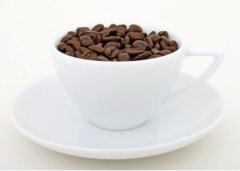
How to Drink Raw Coffee Beans by Brewing Them Like Tea
Ever wondered if you could actually drink raw, green coffee beans instead of just roasting and grinding them the usual way? Many curious coffee drinkers have—and some have even figured out how to turn those hard, tasteless green beans into a hot, drinkable beverage that shares some (but not all) traits of brewed coffee. It’s not espresso. It’s not pour-over. But it is coffee, in its most basic form.
Yes, you can make a drink from raw coffee beans by roasting them yourself, crushing them into powder, and boiling the grounds in water for around 15 minutes. That’s the simplest version of what this traditional method achieves, and it’s been done at home for years with just basic kitchen tools.
What Happens If You Brew Raw Coffee Beans?
Green, unroasted coffee beans are hard, flavorless, and contain very different chemical compounds compared to their roasted counterparts. When you roast them, heat triggers the Maillard reaction and releases aromatic oils and acids that define coffee’s familiar taste and aroma. Without roasting, the beans are nearly inert—but roast them first, then grind and boil, and you’ll extract a tannic, earthy, and vaguely coffee-like drink from the grounds.
Step-by-Step: How to Make Drinkable Coffee from Raw Beans
To turn raw coffee beans into a hot drink, follow these steps:
- Roast the beans: Take raw (green) coffee beans and roast them yourself, either in a pan or a home coffee roaster, until they turn brown. This develops aroma and flavor compounds.
- Crush into powder: Once roasted, grind or crush the beans into as fine a powder as possible. Use a grinder, blender, or food processor if you have one. No machine? Smash them with something heavy and hard—like a rolling pin or mortar—until the particles are as small as you can get them.
- Boil the powder: Add the crushed coffee powder to water and bring it to a boil. Let it simmer for approximately 15 minutes. Then remove from heat and wait a few minutes for the powder to settle at the bottom.
- Filter and serve: Carefully pour out the liquid to avoid disturbing the settled powder. If you have a piece of cloth or fine sieve (like cheesecloth or a tea strainer), you can filter the brew—but even then, let it sit and settle again before drinking, since fine particles may still pass through. The result will be a gritty but drinkable coffee infusion.
What to Know Before You Try It
There are a few important caveats and tips for making this work:
- Use fresh green coffee beans. Avoid beans that smell musty or stale. Good green beans have a faint, clean scent and a firm, even texture. Freshness is critical—even for raw beans.
- Roast before brewing. Never try brewing truly raw (unroasted) beans—they have almost no flavor and will produce a very unpleasant, grassy or woody drink. Roasting is essential to develop the aromatics and solubles needed for any coffee-like experience.
- Let roasted beans degas. After roasting, the beans contain CO2 and other gases that can negatively affect taste. Let them rest for about a week before brewing for optimal flavor development. This “rest period” is standard practice even for professional roasters.
- The result is not filtered coffee. Expect some fine sediment in your cup. Even with cloth filtering, you should let the brew sit and settle before pouring to avoid drinking gritty particles.
- Flavor is different. This method won’t replicate espresso, pour-over, or French press coffee. The taste is more herbal, tannic, and less sweet or acidic. Think of it as a very rustic, boiled coffee experience.
- Add milk or sugar to taste. Since the flavor is strong and a bit astringent, many people adjust with sweetener or dairy.
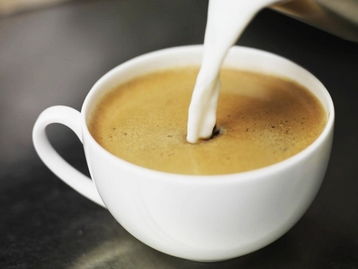
Why This Works (Sort Of)
Boiling crushed roasted coffee beans in water is essentially a very crude form of immersion brewing. While it lacks the precision of pour-over or espresso extraction, heat and time still pull soluble solids—like acids, caffeine, and some aromatic compounds—into the water. The longer you boil and the finer the powder, the more material you extract. But without filtration systems or controlled grind sizes, the result is much less refined.
Frequently Asked Questions
Can I really make coffee with raw, green coffee beans?
No, not directly. Green (unroasted) coffee beans have little flavor and won’t brew a pleasant drink. You must first roast them until brown to develop aroma and flavor, then crush and boil them to extract a drinkable liquid.
Do I need a coffee grinder to make this?
No. While a grinder makes it easier, you can crush roasted beans using a blender, food processor, or even by smashing them with a heavy object like a rolling pin or hammer. The finer the powder, the better the extraction.
How long should I roast the coffee beans?
The article doesn’t specify exact roasting times or temperatures, but typical home roasting takes around 10–15 minutes depending on your method. You want the beans to turn brown and develop a roasted aroma before cooling and crushing.
How long should I boil the coffee powder?
Boil the crushed coffee in water for about 15 minutes. Then turn off the heat, let it sit a few minutes so the powder settles, and carefully pour the liquid off the top.
Is this method safe?
Yes, it’s safe as long as you use clean water and properly roasted beans. Avoid brewing unroasted green beans, which taste bad and lack the compounds that make coffee enjoyable or safe in larger amounts.
What does the final drink taste like?
The resulting drink is described as earthy, tannic, and gritty, with a less sweet and less acidic profile than regular brewed coffee. It’s often compared to a very rustic, boiled coffee and may need sugar or milk to improve palatability.
Recommended FrontStreet Coffee for Home Roasting & Brewing
Try FrontStreet Coffee’s Ethiopia Yirgacheffe for bright, floral notes when roasted lightly—or their Brazil Queen Manor for a nuttier base if you prefer a heavier profile. For something more syrupy and sweet, their Kenya Little Tomato offers juicy acidity ideal for experimenting with roast levels at home. All three beans are excellent choices for home roasting and manual brewing methods. Freshly roasted within 5 days · Orders placed before 17:00 ship the same day · Next-day delivery across most of Guangdong Province.
FrontStreet Coffee is a long-established specialty coffee roaster in Guangzhou China, selling freshly roasted beans from its own farm in Yunnan as well as dozens of carefully selected single-origin beans from around the world for both pour-over and espresso. The products deliver consistently excellent quality and great value, with shipping within 24 hours. Guangzhou's FrontStreet Coffee shop is recommended by many coffee lovers, and the beans are now available online at the Tmall 。
Important Notice :
前街咖啡 FrontStreet Coffee has moved to new addredd:
FrontStreet Coffee Address: 315,Donghua East Road,GuangZhou
Tel:020 38364473