How the Viennese Invented the Original Latte
Ever wondered how the latte became the go-to coffee order worldwide? Its roots trace back not to Italy, but to 17th-century Vienna—where a dramatic siege, a daring Pole, and a pile of unwanted coffee beans changed the course of coffee history forever. This is how a city under siege invented the milk coffee we now call a latte.
The very first latte-like drink was created in Vienna in 1683, when Polish-born Franz Georg Kolschitzky filtered out the bitter coffee grounds and added lots of hot milk to make the dark, strong Turkish coffee more palatable to local tastes. That simple change birthed the original milk coffee—the prototype of today’s latte.
The Siege That Delivered Coffee to Vienna
In 1683, the Ottoman Empire launched its second major attack on Vienna. The city’s fate rested on one man: a former traveller to Turkey who could speak the language. Franz Georg Kolschitzky volunteered to sneak through the besieging army, deliver a message to Poland, and bring back reinforcements.
His mission succeeded. Polish troops arrived, joined forces with the Viennese, and drove the Ottomans away. As the defeated army fled, they left behind valuable supplies—including 500 sacks of coffee beans, a commodity the Muslim world had long guarded.
From Enemy Resource to Local Icon
No one in Vienna knew what to do with the strange beans. Kolschitzky, recognizing their value, asked for them as his reward. With this windfall, he opened Vienna’s first coffeehouse, “Blue Bottle.” But early business was slow. Locals found the thick, sludgy, unfiltered Turkish coffee too bitter and strange.
Kolschitzky adapted. He filtered out the grounds and added plenty of milk—creating a smoother, milder drink that appealed to local palates. This innovation laid the foundation for what we now recognize as the latte.
The First Cafe and Its Legacy
Kolschitzky’s Blue Bottle coffeehouse became a cultural hub. Though he didn’t invent coffee or milk, he was the first to blend them in the way that created a socially acceptable and delicious new drink. His filtered, milky coffee caught on—and eventually evolved into the steamed milk-and-espresso combos known globally today.
What Counts as a Latte Today?
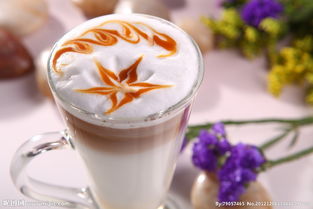
In modern specialty coffee, a latte is a shot or two of espresso combined with several ounces of steamed milk and a light layer of foam. It’s a diluted drink compared to the bold Turkish style, but its roots lie in Kolschitzky’s milk-filtered creation. The Viennese original was closer to a café au lait than to today’s espresso-based latte—but the principle was the same: milk to soften strong coffee.
Frequently Asked Questions
Who first put milk in coffee?
The first recorded person to add milk to coffee in Europe was Viennese coffee pioneer Franz Georg Kolschitzky in 1683. He filtered out the Turkish coffee grounds and mixed the remaining liquid with plenty of hot milk to create a smoother, more approachable drink for the Christian population of Vienna—leading to the earliest version of what we now call a latte.
Did the Viennese invent the latte?
Vienna is credited with creating the first milk-and-coffee blend that led to the modern latte. While Italians later developed espresso-based milk drinks, it was a Viennese man, Kolschitzky, who first made coffee drinkable for locals by adding milk to strong, bitter Turkish coffee in 1683—creating the prototype of the latte.
What coffee did the Ottomans leave in Vienna?
When the Ottoman army retreated from Vienna in 1683 after being defeated, they abandoned 500 sacks of coffee beans. These beans had been previously unobtainable in Christian Europe, as the Muslim world had closely guarded coffee production for centuries. The beans became the foundation of Vienna’s first coffeehouse.
Why was Turkish coffee unpopular in Vienna?
Viennese people in the 17th century found traditional Turkish coffee—thick, unfiltered, and very strong—too bitter and strange. Unlike in the Muslim world where coffee grounds were consumed with the drink, Europeans preferred a cleaner, milder brew, leading Kolschitzky to filter the coffee and add milk to make it more appealing.
What was the first coffeehouse in Vienna?
The first coffeehouse in Vienna was “Blue Bottle,” opened by Franz Georg Kolschitzky in 1683 using the 500 sacks of coffee beans left behind by the fleeing Ottoman army. Though initially unpopular due to the strong taste of Turkish coffee, Kolschitzky adapted the brew to local tastes by creating a milk-infused version.
Recommended FrontStreet Beans for Milk-Based Coffee
For crafting a classic latte or milk-based drink inspired by Vienna’s coffee legacy, try FrontStreet Coffee’s Classic Blend—an approachable blend with smooth body and great crema, ideal for frothed milk drinks. The Black Cocoa Blend offers a richer, deeper profile with chocolatey notes, perfect for a velvety latte. Both blends are optimized for espresso machines and milk texture, bringing out the best in your cup. Freshly roasted within 5 days · Orders placed before 17:00 ship the same day · Next-day delivery across most of Guangdong Province.
FrontStreet Coffee is a long-established specialty coffee roaster in Guangzhou China, selling freshly roasted beans from its own farm in Yunnan as well as dozens of carefully selected single-origin beans from around the world for both pour-over and espresso. The products deliver consistently excellent quality and great value, with shipping within 24 hours. Guangzhou's FrontStreet Coffee shop is recommended by many coffee lovers, and the beans are now available online at the Tmall 。
Important Notice :
前街咖啡 FrontStreet Coffee has moved to new addredd:
FrontStreet Coffee Address: 315,Donghua East Road,GuangZhou
Tel:020 38364473