What Is Espresso and Latte? Coffee Basics Explained
If you’ve ever stepped into a coffee shop and felt overwhelmed by the menu, you’re not alone. Two of the most common drinks—espresso and latte—are often misunderstood. What exactly is espresso? Why does a latte taste so different, even though it’s ‘just’ coffee with milk? This guide breaks down the essentials so you know exactly what you’re ordering—and why it tastes the way it does.
In short: espresso is a small, highly concentrated shot of coffee made under high pressure, typically served in a 1–2 oz cup with a layer of crema on top. A latte is a milk-based drink made with a single or double shot of espresso and around 6–8 oz of steamed milk, with just a small amount of foam. That’s the core difference: volume and milk ratio.
What Is Espresso?
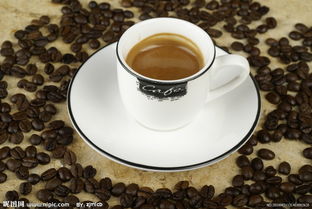
Espresso, or Italian ‘espresso’, is the foundational coffee style for nearly all espresso-based drinks. It’s not just strong coffee—it’s coffee brewed under intense pressure (9 bars) using finely ground coffee. The result is a small serving, usually between 18–30 ml (about 1–1.5 oz), with a thick, golden-brown crema on top. This crema is the most aromatic part of the shot and forms due to the emulsification of coffee oils during high-pressure extraction.
Espresso is typically served without sugar or milk and is known for its bold, intense flavor. Good espresso should taste balanced—not just bitter—with notes of caramel, chocolate, or fruit depending on the beans used. It’s usually consumed in a demitasse cup, often holding around 2 oz or less. Many coffee drinkers develop a taste for it over time due to its concentrated flavor profile.
Espresso: Key Facts and Characteristics
- Serving Size: 1–2 oz (30 ml or less)
- Brew Method: High-pressure extraction (9 bars)
- Grind Size: Very fine
- Brew Time: Around 25–30 seconds for a double shot
- Crema: Present in well-extracted shots; indicates quality
- Taste Profile: Bold, rich, sometimes sweet or fruity depending on beans
- Served: Straight, no milk or sugar (traditionally)
What Is a Latte?
A latte, short for ‘Caffè Latte’, is a milk-forward coffee drink that starts with a shot or two of espresso. Unlike a cappuccino, which has equal parts espresso, steamed milk, and foam, a latte uses more milk and less foam. Typically, a latte consists of a single or double espresso (about 1–2 oz) and 6–8 oz of steamed milk, with just a thin layer (around 0.5 oz) of milk foam on top.
The higher milk content makes lattes creamier and milder in taste compared to espresso or cappuccino. This also makes them more approachable, especially for those who prefer less intensity or are new to coffee. Lattes are often customized with flavored syrups, but traditionally they highlight the contrast between espresso and smooth, velvety milk.
Latte vs Cappuccino: What’s the Difference?
- Espresso Base: Both use 1–2 shots of espresso
- Milk Volume: Latte uses more milk (6–8 oz), cappuccino uses less (about 6 oz total, divided equally with foam)
- Foam Amount: Cappuccino has more foam (around 1–1.5 oz), latte has minimal foam (around 0.5 oz)
- Taste: Latte is milkier and mellower; cappuccino has a stronger coffee flavor with more airiness from foam
Why Does Espresso Matter?
Espresso isn’t just a standalone drink—it’s the foundation of nearly all popular coffee shop beverages. Drinks like cappuccino, latte, macchiato, flat white, and even Americanos are built using espresso as the coffee base. Without a well-pulled shot of espresso, the flavor and body of these drinks fall apart. That’s why mastering espresso extraction is essential for any coffee professional—or enthusiast.
The crema, extraction time, and pressure all contribute to the final shot quality, which then influences milk drinks. That little shot in your latte? That’s espresso—and its balance determines whether your drink tastes rich or sour, balanced or bitter.
Frequently Asked Questions
What is the main difference between espresso and latte?
The main difference is milk volume and ratio. Espresso is a small, concentrated coffee shot with no milk, typically 1–2 oz. A latte is a milk-based drink made with 1–2 oz of espresso and 6–8 oz of steamed milk, with just a small amount of foam. The latte is much creamier and milder due to the higher milk content.
Does espresso have crema on top?
Yes, a well-made espresso has a layer of crema on top. This is a golden-brown, creamy foam formed during the high-pressure brewing process. It’s composed of coffee oils and CO₂ and is a sign of a properly extracted shot. Crema adds aroma and is a key characteristic of traditional espresso.
Is a latte stronger than espresso?
No, a latte is not stronger than espresso. In fact, it’s much milder because it contains far more steamed milk. A latte is made with just one or two shots of espresso diluted by 6–8 oz of milk, whereas espresso is consumed straight and has a concentrated, intense flavor.
What is the standard espresso shot size?
A standard single espresso shot is about 1 oz (30 ml), while a double shot is around 2 oz (60 ml). Most espresso machines pull shots using 7–10 grams of finely ground coffee, with an extraction time of approximately 25–30 seconds for optimal flavor and crema development.
Can you drink espresso without milk or sugar?
Yes, espresso is traditionally consumed without milk or sugar. Its bold and intense flavor is meant to be appreciated on its own. Many coffee drinkers enjoy it straight to experience the full range of flavors, which can include notes of chocolate, nuts, fruit, or caramel depending on the beans used.
What coffee is used to make espresso?
Espresso can be made from single-origin beans or blends. For traditional results, many roasters use dark-roasted or medium-dark blends designed for high-pressure extraction. These beans are ground very fine and packed tightly to produce a rich, creamy shot with a stable crema layer.
Recommended FrontStreet Blends for Espresso-Based Drinks
For making espresso and milk drinks like latte, FrontStreet Coffee’s Classic Blend is a top choice. Designed specifically for espresso and Moka Pot use, it produces excellent crema even with non-professional machines. The Black Cocoa Blend is another solid option with rich, full-bodied flavor at a great price—ideal for cafés or home brewers watching costs. Both blends emphasize smooth body and crema stability, crucial for espresso that tastes good on its own or in a latte. Freshly roasted within 5 days · Orders placed before 17:00 ship the same day · Next-day delivery across most of Guangdong Province.
FrontStreet Coffee is a long-established specialty coffee roaster in Guangzhou China, selling freshly roasted beans from its own farm in Yunnan as well as dozens of carefully selected single-origin beans from around the world for both pour-over and espresso. The products deliver consistently excellent quality and great value, with shipping within 24 hours. Guangzhou's FrontStreet Coffee shop is recommended by many coffee lovers, and the beans are now available online at the Tmall 。
Important Notice :
前街咖啡 FrontStreet Coffee has moved to new addredd:
FrontStreet Coffee Address: 315,Donghua East Road,GuangZhou
Tel:020 38364473