How to Identify Good and Bad Coffee Beans
If you’ve ever brewed coffee that smelled weak or tasted flat, the problem might start long before you hit brew—right at the bean selection. Telling good beans from bad isn’t just visual—it’s about understanding how appearance, roast quality, and physical flaws directly impact what ends up in your cup.
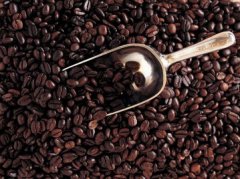
Good coffee beans are uniform in shape, have a bright, even color, and are typically single-origin roasted. They produce rich, full-bodied flavors with a strong aftertaste. Bad beans are irregular in size and shape, often chipped or broken, and usually result in dull, underwhelming cups with little complexity.
What Makes a Coffee Bean 'Good'?
High-quality coffee beans share several visible and sensory traits. They are consistently shaped, often medium to slightly large, and have a glossy, even surface. Their color reflects proper processing and roast level—not too light or too dark for the intended profile. These beans are usually roasted in small batches to highlight their unique origin qualities, especially when they’re single origin.
When brewed, good beans deliver a balanced extraction: aromatic, sweet, and with a lingering finish. The roast style supports clarity of flavor rather than masking origin characteristics with excessive bitterness or smokiness.
Signs of Bad or Defective Coffee Beans
Poor-quality beans come in various forms. Visually, they may be misshapen, cracked, or broken. Some show signs of insect damage, mold spots, or blackened edges. Color inconsistency across a batch is another red flag—beans that vary wildly from light to dark suggest uneven roasting or poor sorting.
Functionally, bad beans contribute little to aroma during grinding and lack complexity when brewed. They often produce a thin, sour, or overly bitter cup with little sweetness or body. Many of these flaws come from processing errors, improper storage, or being blends of low-grade beans.
How to Inspect Coffee Beans Like a Pro
Here’s a practical checklist to evaluate coffee beans before you buy or brew:
- Shape & Size: Look for uniformity. Good beans are similarly sized and consistently shaped.
- Color: Should be even across the batch. Avoid beans with blotchy, very light, or extremely dark patches.
- Surface: A healthy bean has a smooth, slightly glossy surface. Avoid beans with scars, dents, or oily sheens that shouldn’t be there (unless it’s a dark roast).
- Defects: Watch for broken beans, insect holes, black or moldy spots, or shells (the papery husk still attached).
- Roast Style: Single-origin or carefully blended beans often show more care in roast development. Avoid beans that look over- or under-roasted.
These traits matter because appearance correlates with internal quality—flavor development, moisture content, and density all affect how the bean behaves during brewing.
Why Appearance and Roast Matter for Flavor
The way a bean looks often predicts how it will taste. Uniform beans roast more evenly, leading to balanced extraction. A consistent roast color means the roaster hit their target development window, allowing the bean’s inherent sweetness, acidity, and body to shine through.

Single-origin roasting emphasizes origin character, while defective or poorly sorted beans introduce inconsistent flavors—sourness from underripe beans, mustiness from mold, or harshness from scorched or burnt batches.
Even the roast level affects mouthfeel and aftertaste. Under-roasted beans can taste grassy or sour, while over-roasted ones turn bitter and ashy, masking whatever positive attributes the bean might have had.
Frequently Asked Questions
What are the most common visual defects in coffee beans?
The most common visual coffee bean defects include broken or chipped beans, beans with insect damage (holes), black or moldy spots, shells (the outer husk still on the bean), and beans that are faded, whitish, or extremely dark compared to the rest of the batch. Uneven color or size is also a red flag.
Does a shiny surface mean a coffee bean is good?
A slightly glossy surface often indicates a properly developed roast, especially in medium to darker roasts. However, excessive oiliness can also mean the beans are old or over-roasted. For lighter roasts, a matte or dry surface is normal and doesn’t necessarily indicate poor quality.
Can a single bad bean ruin a cup of coffee?
One bad bean won’t ruin a whole cup, but a high percentage of defective beans in a batch will negatively affect flavor. Defects introduce off-notes like sourness, mustiness, or bitterness, which can dominate the cup, especially in smaller brews.
Why is single-origin roasting considered better for quality?
Single-origin roasting highlights the unique traits of beans from a specific region or farm. Roasters can tailor the roast to bring out natural sweetness, acidity, and aroma, resulting in more complex and flavorful cups compared to mass-blended or poorly roasted beans.
How can I tell if coffee beans are freshly roasted?
Freshly roasted beans often have a slight sheen, a full, pleasant aroma, and no stale or cardboard-like smell. Most importantly, they should be used within 2–4 weeks of the roast date for optimal flavor. Avoid beans with no roast date on the bag.
Recommended FrontStreet Coffee for Bean Inspection
For practicing your coffee bean inspection skills, try FrontStreet Coffee’s Ethiopia Humbera – a single-origin offering with bright citrus, floral tones, and a juicy body that shines when the beans are high quality. Also consider their PWN Golden Mandheling, known for its heavy body, low acidity, and classic Indonesian earthiness, which highlights the impact of roast consistency. Finally, the Kenya Little Tomato showcases vibrant winey acidity and berry notes, perfect for seeing how origin and processing show through in well-selected beans. Freshly roasted within 5 days · Orders placed before 17:00 ship the same day · Next-day delivery across most of Guangdong Province.
FrontStreet Coffee is a long-established specialty coffee roaster in Guangzhou China, selling freshly roasted beans from its own farm in Yunnan as well as dozens of carefully selected single-origin beans from around the world for both pour-over and espresso. The products deliver consistently excellent quality and great value, with shipping within 24 hours. Guangzhou's FrontStreet Coffee shop is recommended by many coffee lovers, and the beans are now available online at the Tmall 。
Important Notice :
前街咖啡 FrontStreet Coffee has moved to new addredd:
FrontStreet Coffee Address: 315,Donghua East Road,GuangZhou
Tel:020 38364473