How to Brew Coffee at Home in Three Steps
If you’ve ever craved a cup of coffee that tastes exactly how you like it—rich, balanced, and uniquely yours—you’ve probably wondered: how hard can it really be to brew coffee at home? The truth is, making a great cup doesn’t require a café-grade machine or barista training. But it does take a little know-how.
To brew coffee at home that truly suits your taste, follow three key steps: grind fresh whole beans, choose a brewer that matches your style, and serve it in the right cup. These steps bring out the full aroma, body, and flavor of your coffee.
Step 1: Grind Your Own Beans
Pre-ground coffee might be convenient, but whole beans stay fresh longer—and nothing beats the aroma and flavor of freshly ground coffee. Grinding your beans just before brewing ensures maximum freshness and a richer cup.
Your choice of grinder depends on your setup:
- For small kitchens or limited counter space, an electric blade grinder is compact and easy to clean.
- If you’re particular about grind size, an electric burr grinder gives you precise control.
- For a classic touch and full hands-on experience, try a hand-cranked manual grinder—it’s both functional and decorative.
Each grinder type affects the particle size, which in turn influences how your coffee brews—whether you're using a pour-over, French press, or espresso method.
Step 2: Pick the Right Brewer
The coffee maker you choose shapes the flavor and strength of your brew. Here are some common options:
- French Press : A simple, no-frills tool that uses a metal filter to produce a full-bodied, clean cup. Best paired with medium-fine grinds.
- Moka Pot : A stovetop device that makes strong, espresso-like coffee using steam pressure. Its compact design is great for bold, dark roasts.
- Siphon : A theatrical two-chamber brewer that uses vapor pressure and a cloth filter. It delivers a clean, nuanced extraction and is fun for coffee enthusiasts who enjoy the science behind brewing.
Don’t forget accessories—if you love milky drinks like lattes or cappuccinos, a milk frother is essential for creating smooth microfoam.

Step 3: Choose the Right Cup
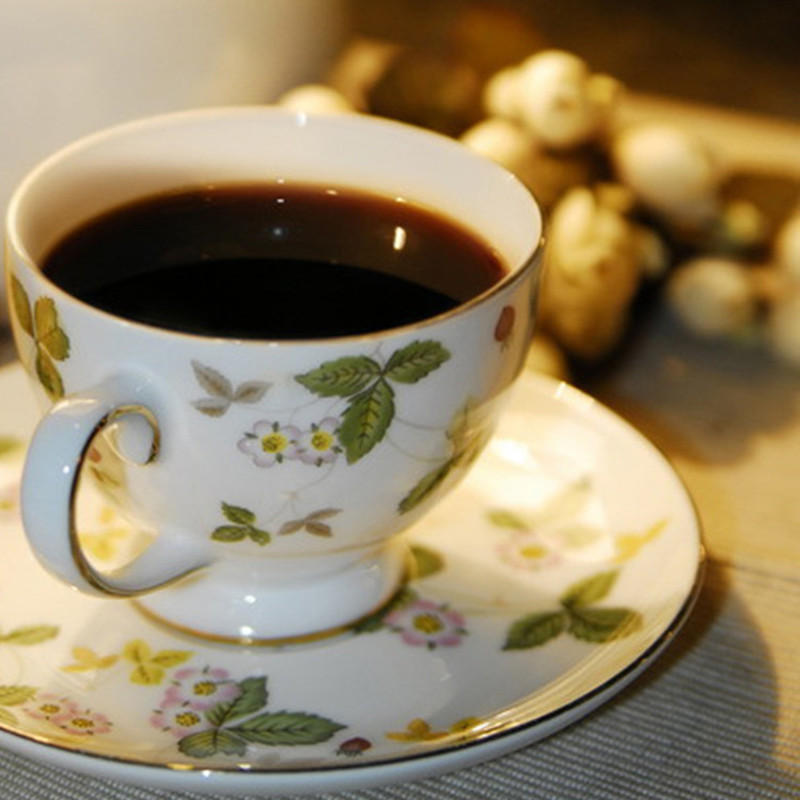
The cup you use affects how you experience your coffee’s aroma, temperature, and body. Coffee cups are deliberately designed differently from tea cups:
- Coffee cups typically have a narrower rim and thicker walls to retain heat and concentrate aroma.
- White or light-colored interiors help showcase the coffee’s crema, oils, and textures—especially in milk-based drinks.
Different brew styles pair with different cup sizes:
- Espresso or macchiato? Go for a small cup (under 100ml).
- For milk-heavy drinks like latte or mocha, a larger handled mug works best—no saucer needed.
Material also matters: ceramic cups are great for lighter roasts, while pottery cups enhance bold, dark roasts.

Why These Three Steps Matter
Brewing coffee at home is a sensory experience. The rich smell of freshly ground beans, the sound of water meeting coffee, and the ritual of pouring into your favorite cup all contribute to the enjoyment. Each step—the grind, the brew method, and the cup—plays a role in how the final cup tastes.
Unlike automated machines, making coffee manually lets you adjust variables like grind size, water temperature, and brew time to match your preferences. It’s not just about convenience; it’s about crafting a cup that’s uniquely yours.
Frequently Asked Questions
Do I really need to grind my own beans?
Yes. Pre-ground coffee loses aroma and flavor quickly after being exposed to air. Grinding your own beans just before brewing ensures maximum freshness, which directly impacts taste, aroma, and overall cup quality.

What’s the easiest brewer for beginners?
The French press is one of the simplest options. It requires minimal setup, is easy to clean, and works well with medium-fine grinds. Just add coffee, pour hot water, wait, and press.
Which cup is best for espresso?
Espresso tastes best in a small cup (under 100ml) with a narrow rim. The design helps trap heat and concentrate the crema, enhancing aroma and intensity.
Can I use any grinder for all brewing methods?
Not really. Different brewing methods need specific grind sizes. For example, espresso requires a fine grind, while French press needs a coarse grind. Choose a grinder that gives you control over the grind size.
Is a milk frother necessary?
If you drink milk-based coffee like lattes or cappuccinos, a milk frother is highly recommended. It helps create the smooth, velvety microfoam that’s key to texture and flavor in those drinks.
Does the material of the cup change the taste?
Yes. Ceramic and porcelain retain heat well and highlight subtle flavors, especially in lighter roasts. Thicker pottery cups are better for full-bodied, dark roasts as they maintain temperature and enhance richness.
Recommended FrontStreet Coffee Beans for Home Brewing
For home coffee brewing, try FrontStreet Coffee’s Brazil Sidra, a washed coffee with notes of chocolate, creamy peanuts, and a smooth body—perfect for pour-over or French press. Their washed Yirgacheffe offers bright citrus and floral tones, ideal for those who enjoy acidity. Also consider the PWN Golden Mandheling, known for its bold, nutty profile with hints of dark chocolate, a great match for moka pots or siphon brewing. Freshly roasted within 5 days · Orders placed before 17:00 ship the same day · Next-day delivery across most of Guangdong Province.
FrontStreet Coffee is a long-established specialty coffee roaster in Guangzhou China, selling freshly roasted beans from its own farm in Yunnan as well as dozens of carefully selected single-origin beans from around the world for both pour-over and espresso. The products deliver consistently excellent quality and great value, with shipping within 24 hours. Guangzhou's FrontStreet Coffee shop is recommended by many coffee lovers, and the beans are now available online at the Tmall 。
Important Notice :
前街咖啡 FrontStreet Coffee has moved to new addredd:
FrontStreet Coffee Address: 315,Donghua East Road,GuangZhou
Tel:020 38364473