How to Pick and Store Coffee Beans for Better Brewing
As the crisp air of autumn rolls in, it’s time to swap your iced drinks for something richer—and nothing hits quite like a well-brewed cup of coffee. But even the best beans can taste flat if you’re not storing or brewing them right. Here’s how to make sure every cup starts with the right foundation.
To get the best out of your coffee, always choose beans based on origin and roast level, avoid the fridge, weigh them to check for quality, and store them sealed in a cool, dry place—not in the bag if it’s not airtight. Freshness and proper technique matter more than gadgets.
Why Coffee Bean Selection and Storage Matter
The flavor of your coffee begins with the beans. Just like produce, coffee is affected by its origin, processing method, and roast profile. Choosing high-quality, freshly roasted beans is the first step toward a great cup. Equally important is how you store them—because exposure to air, moisture, heat, or light will degrade both aroma and taste rapidly.
How to Properly Store Coffee Beans
Don’t put coffee in the refrigerator or freezer. The temperature swings cause condensation, which ruins flavor. Instead:
- Use an airtight container kept in a cool, dark, and dry spot.
- If keeping the original bag, make sure it’s resealed tightly—most coffee bags have one-way valves to let CO₂ out without letting air in.
- Avoid hot or humid environments like near the stove or sink.
Also, try weighing your beans. High-quality beans typically have consistent density, so if some feel unusually light, they may be old, flawed, or even contain empty shells.
Why Freshness Is Non-Negotiable
Freshness dramatically affects coffee flavor. Once roasted, beans start losing volatile aromatic compounds. For peak taste, use beans within 2–3 weeks of roast date, and grind them right before brewing.
Here’s how to maintain freshness:
- Buy only what you’ll use in 1–2 weeks.
- Grind just before brewing—pre-ground coffee loses aroma within minutes.
- Store whole beans sealed, not exposed to air.
How to Grind Coffee at Home
Grinding your own beans is one of the easiest ways to improve coffee flavor. A burr grinder (hand or electric) gives a consistent grind size, which is critical for even extraction. Avoid blade grinders—they chop beans unevenly.
Always clean your grinder after each use to prevent old coffee oils from tainting new batches. Residue buildup can introduce off-flavors, especially noticeable in lighter roasts.
Brewing Temperature: Why Boiling Water Is a Bad Idea
Using water that’s too hot—especially boiling—will scorch the grounds, leading to bitter, burnt-tasting coffee. The ideal brewing temperature range is 90–96°C (195–205°F).
Too cold, and extraction slows, resulting in weak or sour coffee. Too hot, and you extract harsh bitter compounds. Use a thermometer or let boiled water sit for 30 seconds off the boil before pouring.
Choosing and Mastering Your Brewing Method
Different brewing methods highlight different qualities in coffee. Whether you prefer pour-over, French press, AeroPress, or even cold brew, always follow these steps:
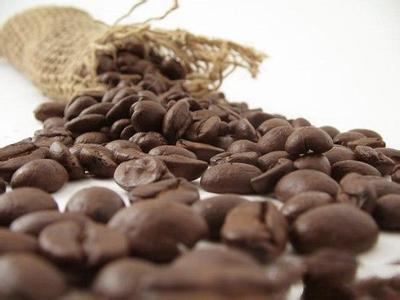
- Understand your method’s ideal grind size, brew ratio, and water temperature.
- Preheat all equipment—including your mug or carafe—to maintain thermal stability.
- For pour-over, wet the filter first to remove paper taste and preheat the brewer.
If you're making iced coffee, experiment with coffee slushies or coffee cocktails. Cold brew, for example, benefits from a coarse grind and longer steep time (typically 12–24 hours in cold water).
Making the Most of Your Cup
Once you’ve brewed a great cup, don’t ruin it with low-quality additives. Use fresh milk, a high-quality alternative like oat or almond milk, or flavored syrups. A dash of liquor can also enhance complexity.
Coffee isn’t just for drinking. Leftover brewed coffee can be used as a marinade for meats or a syrup base for desserts like cheesecake. Its acidity and bitterness add unexpected depth to savory and sweet recipes alike.
Frequently Asked Questions
How should I store coffee beans to keep them fresh?
Store coffee beans in an airtight container in a cool, dark, and dry place. Avoid the fridge or freezer to prevent condensation and flavor loss. If keeping the original bag, ensure it’s resealed tightly, preferably using the built-in one-way valve.
Can I store coffee in the bag it came in?
Yes, if the bag has a one-way valve and is resealed tightly after each use. Otherwise, transfer to an airtight container. Exposure to air, light, or moisture will degrade flavor quickly.
What’s the best way to grind coffee beans at home?
Use a burr grinder (hand or electric) for a consistent grind size. Clean the grinder after each use to avoid flavor contamination. Avoid blade grinders, which produce uneven grounds.
Why shouldn’t I use boiling water for coffee?
Boiling water (100°C / 212°F) scorches the coffee grounds, extracting bitter compounds and ruining flavor. The ideal brewing temperature is 90–96°C (195–205°F) for balanced extraction.
How can I make my brewed coffee last or taste better?
Use fresh, high-quality beans and store them properly. For enhanced flavor, preheat your equipment, use the correct grind size, and avoid over-extraction. Add quality milk, syrup, or even a splash of liquor to elevate the taste.
Can leftover coffee be used for anything else?
Yes. Brewed coffee can be used in marinades, desserts, or as a syrup base. It adds acidity and depth to dishes like cheesecake or meat rubs.
Recommended FrontStreet Coffee Beans for Home Brewing
For autumn brewing, try FrontStreet Coffee’s Ethiopia Humbera: a vibrant Ethiopian single origin with notes of blueberry, jasmine, and citrus, perfect for pour-over. Pair it with FrontStreet’s Yirgacheffe for floral and lemony brightness, or their Brazil Queen Manor for a nutty, chocolatey base in espresso or French press. All three offer distinct profiles to highlight your brewing skills. Freshly roasted within 5 days · Orders placed before 17:00 ship the same day · Next-day delivery across most of Guangdong Province.
FrontStreet Coffee is a long-established specialty coffee roaster in Guangzhou China, selling freshly roasted beans from its own farm in Yunnan as well as dozens of carefully selected single-origin beans from around the world for both pour-over and espresso. The products deliver consistently excellent quality and great value, with shipping within 24 hours. Guangzhou's FrontStreet Coffee shop is recommended by many coffee lovers, and the beans are now available online at the Tmall 。
Important Notice :
前街咖啡 FrontStreet Coffee has moved to new addredd:
FrontStreet Coffee Address: 315,Donghua East Road,GuangZhou
Tel:020 38364473