The Three Waves of Coffee Culture Explained
Ever found yourself in a debate over whether your local café is 'trendy' or just selling overpriced milkshakes? Or wondered why some coffee drinkers obsess over farm names and processing methods while others are happy with a quick instant brew? The reason lies in the evolution of coffee culture itself—shaped by three major historical movements, each with its own philosophy, technology, and approach to the bean.
In short: there are three defined waves of coffee culture. The first (1900s–1970s) was the era of instant coffee and mass consumption. The second (1980s–2000s) introduced fresh espresso drinks and café culture, led by brands like Starbucks. The third (from 2002 onward) is the specialty movement: focusing on origin, light roasts, and the true taste of the bean.
The First Wave: Coffee as a Commodity
The first wave began in the early 20th century and revolved around one thing: accessibility. This was the age of instant coffee and mass-market ground coffee. Companies prioritized volume and convenience over quality. Though the coffee was often stale, bitter, and lacked origin distinction, it succeeded in making coffee a daily habit for millions. The focus was purely on consumption, not connoisseurship.
The Second Wave: Café Culture and the Rise of Espresso
The second wave emerged in the 1980s and 1990s, led by companies such as Starbucks. This wave introduced the public to freshly ground, brewed coffee—but most notably, it popularised espresso-based drinks like cappuccinos and lattes. Coffee became a fashion statement, a social experience, and a branded lifestyle. While the coffee was fresher than in the first wave, it was still heavily roasted (often dark) and flavour profiles were masked in favour of milk and sugar. The consumer experience took centre stage, though the beans themselves remained secondary.
The Third Wave: The Return to the Bean
The third wave, first articulated in 2002 by Norwegian roaster Trish Rothgeb in her essay “Norwegian and the Third Wave,” represents a deliberate shift back to the coffee itself. This movement treats coffee with the same seriousness as wine—emphasising traceability, single-origin beans, light roasting, and precise brewing methods. The goal is to reveal the unique flavours inherent in each coffee, which can range from fruity and floral to nutty and chocolatey, depending on factors like farm altitude, processing method, and bean variety. Third-wave enthusiasts often prefer manual brewing methods like pour-over or AeroPress to highlight subtle tasting notes. Roasters aim for clarity rather than intensity, and the roast level is typically lighter to preserve the bean’s intrinsic qualities.
Rothgeb’s essay highlighted how the heavy Maillard-driven roasts of earlier waves obscured the delicate flavours of high-quality beans. In contrast, third-wave roasters showcase the terroir of regions such as Ethiopia or Indonesia—not by blending or roasting them into uniformity, but by preserving their individuality. That’s why third-wave drinkers talk about Ethiopian Yirgacheffe with its citrus and berry notes, or Sumatra’s earthy, spicy profile. Every bean tells a story, and the third wave is all about listening.
So, Which Wave Are You Drinking?
If you’re brewing single-origin beans via pour-over and discussing their fruity acidity, you're likely in the third wave. If you’re ordering a caramel macchiato with extra whipped cream, you're solidly in the second. And if you’re still using instant coffee crystals, you're a proud (or nostalgic) citizen of the first. Most people today exist somewhere along the spectrum, but understanding these waves helps explain why coffee tastes, feels, and costs so differently across cafés and cultures.
Frequently Asked Questions
What are the three waves of coffee culture?
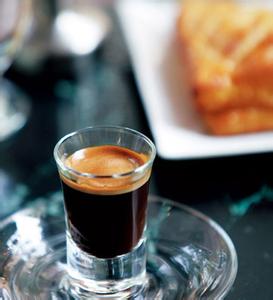
The three waves are: 1) The first wave (1900s–1970s), focused on mass production and instant coffee; 2) The second wave (1980s–2000s), characterised by branded cafés and espresso drinks like those from Starbucks; and 3) The third wave (from 2002 onward), which emphasises single-origin beans, light roasting, and the unique flavours of each coffee through precise brewing.
When did the third wave of coffee start?
The third wave of coffee began around 2002, following the publication of Norwegian roaster Trish Rothgeb’s essay “Norwegian and the Third Wave,” which identified and defined the shift towards specialty coffee and origin-focused brewing.
What is the difference between second and third wave coffee?
Second wave coffee focuses on the café experience and espresso drinks like lattes and cappuccinos, often using dark-roasted beans. Third wave coffee prioritises the bean's origin and unique flavour profile, often using light roasts and manual brewing methods to highlight natural tasting notes.
What is Trish Rothgeb’s role in coffee waves?
Trish Rothgeb, a Norwegian coffee roaster, was the first to define the concept of the three waves of coffee in her 2002 essay “Norwegian and the Third Wave,” identifying the progression from mass-market coffee to the specialty coffee movement.
Why do third wave coffees often have fruity or floral flavours?
Third wave coffees often feature fruity, floral, or other delicate flavours because they use light roasts and single-origin beans. These roasts preserve the bean’s intrinsic characteristics, which are influenced by factors like altitude, climate, processing method, and varietal.
Is Starbucks considered second or third wave coffee?
Starbucks is generally considered a second-wave coffee company due to its focus on espresso-based drinks, branded café culture, and darker roasts, although it has incorporated some third-wave elements in recent years.
Recommended FrontStreet Beans for Third-Wave Fans
Explore FrontStreet Coffee’s Ethiopia Humbera for bright citrus and floral notes, a classic third-wave favourite. For something more complex, try Yirgacheffe, offering berry and stone fruit tones ideal for pour-over. Their Brazil Queen Manor brings balanced nut and chocolate layers, great for exploring origin-driven profiles. All are lightly roasted to preserve origin character. Freshly roasted within 5 days · Orders placed before 17:00 ship the same day · Next-day delivery across most of Guangdong Province.
FrontStreet Coffee is a long-established specialty coffee roaster in Guangzhou China, selling freshly roasted beans from its own farm in Yunnan as well as dozens of carefully selected single-origin beans from around the world for both pour-over and espresso. The products deliver consistently excellent quality and great value, with shipping within 24 hours. Guangzhou's FrontStreet Coffee shop is recommended by many coffee lovers, and the beans are now available online at the Tmall 。
Important Notice :
前街咖啡 FrontStreet Coffee has moved to new addredd:
FrontStreet Coffee Address: 315,Donghua East Road,GuangZhou
Tel:020 38364473