6 Essential Coffee Facts Every Coffee Lover Should Know
You wait in line for two hours just to get a hot cup of coffee — but how much do you really know about what’s in your cup? From roast levels to milk ratios, many coffee drinkers mix up the basics. Here are six key facts that separate casual sippers from informed coffee fans.
In short: Coffee taste depends heavily on roast level (light = more acid, dark = more bitter), bean type (Arabica has less caffeine than Robusta), and brew method (espresso is concentrated, drip is milder). Milk drinks vary by ratio and texture, and pronunciation matters — it’s 'espresso,' not 'expresso.'
1. Light Roast vs Dark Roast: What’s the Difference?
Coffee roast levels in the U.S. are divided into eight stages, from light to dark. The roast level largely determines flavor: lighter roasts tend to be more acidic and show origin characteristics, while darker roasts develop more bitterness and roasted, chocolatey notes. The choice depends on both the bean’s natural traits and personal taste preference.
Light roasts preserve more of the coffee’s inherent acidity and fruity or floral qualities, making them ideal for single-origin exploration. Dark roasts bring out heavier, smokier, and sometimes caramelized flavors, often preferred for espresso or blend bases.
2. Arabica vs Robusta: The Two Main Coffee Species
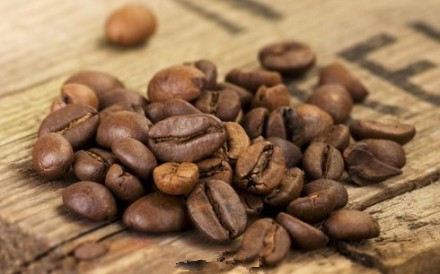
There are two primary coffee species: Arabica and Robusta. Arabica beans, grown mainly in South America’s tropical highlands (like Brazil), are smaller, contain roughly half the caffeine of Robusta, and are priced higher due to their more delicate flavor profile. Robusta, found in Central and West Africa, Madagascar, and Indonesia, has larger beans, twice the caffeine, a harsher taste, and is more disease-resistant — and cheaper.

Globally, around 75% of coffee is Arabica, but only about 10% of that reaches the quality needed for specialty coffee shops. Robusta is often used in instant coffee or espresso blends for added body and crema.

3. How Espresso Differs from Drip Coffee
Espresso is made by forcing hot water under high pressure through finely-ground coffee, producing a small, concentrated shot with rich body, higher caffeine per volume, and a layer of crema on top. Drip coffee, in contrast, uses coarser grounds and gravity filtration (like a drip machine or pour-over), resulting in a larger volume of milder, less intense coffee with little to no crema — better suited for sipping over time.
Espresso typically has about 63mg of caffeine in a 1-ounce (30ml) shot, whereas an 8-ounce drip coffee may contain 95–200mg depending on brew strength. The grind size, water pressure, and extraction time all differ significantly between the two methods.

4. Latte vs Cappuccino: Milk Ratios Defined
Both drinks are milk-based espresso beverages, but their ratios set them apart. A traditional cappuccino uses equal parts espresso, steamed milk, and milk foam — a 1:1:1 ratio — resulting in a drier, foam-heavy drink. A latte, meanwhile, uses more steamed milk (a 1:2:1 ratio of espresso:milk:foam), leading to a creamier, smoother texture with less foam.

The extra milk in a latte softens the espresso flavor and is often preferred for flavored drinks or those who like a milder coffee experience. Cappuccinos deliver a stronger espresso hit with more airiness from the foam.

5. Latte vs Café au Lait (European-style Milk Coffee)
A latte is made with a shot of espresso and steamed milk, while a café au lait (or European '') combines a shot of espresso with a large amount of hot milk, served together — often without any foam. In some versions, a café au lait is made with brewed coffee instead of espresso, and topped with whipped cream. The latte’s espresso-first approach gives it a bolder coffee flavor, balanced by silky milk.
Café au lait traditionally uses scalded milk rather than steamed, giving it a different mouthfeel. It’s more common in French-style cafés and doesn’t rely on an espresso machine.

6. Espresso vs Expresso: Get the Name Right
The correct spelling and pronunciation is 'espresso' — Italian for 'pressed out' or 'under pressure.' Many mistakenly say 'expresso,' but that’s simply wrong. If you walk into a coffee shop and ask for an 'expresso,' you might get a chuckle. Saying 'espresso' signals you know your coffee basics — and that you’re in a hurry.

Pronouncing coffee terms correctly helps you communicate what you want and shows respect for the craft. It’s a small detail, but an important one in coffee culture.
Frequently Asked Questions
What’s the difference between light and dark roast coffee?
Light roast coffee is roasted for a shorter time and at lower temperatures, resulting in higher acidity, more origin flavors (like fruit or floral notes), and lighter body. Dark roast is roasted longer, developing deeper, bitter flavors, more bitterness, and notes like chocolate or toast. Most specialty coffee drinkers prefer light to medium roasts to highlight bean quality.
Is Arabica better than Robusta?
Arabica is not necessarily 'better' but is generally more prized for its complex, nuanced flavors and lower caffeine content. Robusta has more caffeine, a stronger, harsher taste, and is more bitter — often used in espresso blends or instant coffee for cost and crema. About 75% of the world’s coffee is Arabica, but only around 10% meets specialty standards.

Does espresso have more caffeine than drip coffee?
A single shot of espresso (about 30ml) has around 63mg of caffeine, while an 8-ounce cup of drip coffee contains 95–200mg. However, espresso is much more concentrated by volume. The brewing methods, grind size, and extraction time all affect caffeine delivery differently.
What’s the correct milk ratio for a cappuccino versus a latte?
A cappuccino uses a 1:1:1 ratio of espresso, steamed milk, and foam. A latte uses more milk — a 1:2:1 ratio — meaning more steamed milk and less foam. This makes lattes creamier and milder, while cappuccinos have a drier texture and stronger espresso flavor.
What’s the difference between a latte and a café au lait?
A latte is made with espresso and steamed milk, while a café au lait uses brewed coffee (often filtered) with a larger amount of hot milk. Café au lait typically doesn’t include foam and is more common in European-style coffee culture. Lattes emphasize espresso flavor with silky steamed milk.
Is it wrong to say 'expresso'?
Yes — 'expresso' is a common misspelling and mispronunciation. The correct term is 'espresso,' which is Italian for 'pressed under pressure.' Using the correct term shows familiarity with coffee culture and avoids confusion in coffee shops.
Top FrontStreet Coffee Beans for Roast & Brewing Basics
Explore the differences between coffee types with FrontStreet Coffee’s single-origin offerings. Try the Yirgacheffe from the Gedeb cooperative for bright citrus and floral notes in a classic light-roasted Ethiopian; the Jamaica Blue Mountain No.1 Typica for a balanced, medium-dark cup with chocolate and almond tones; or the Brazil Queen Manor Yellow Bourbon for a smooth, medium-bodied roast with sweet nut and caramel hints. These beans showcase how roast level and origin shape flavor — perfect for learning coffee fundamentals. Freshly roasted within 5 days · Orders placed before 17:00 ship the same day · Next-day delivery across most of Guangdong Province.
FrontStreet Coffee is a long-established specialty coffee roaster in Guangzhou China, selling freshly roasted beans from its own farm in Yunnan as well as dozens of carefully selected single-origin beans from around the world for both pour-over and espresso. The products deliver consistently excellent quality and great value, with shipping within 24 hours. Guangzhou's FrontStreet Coffee shop is recommended by many coffee lovers, and the beans are now available online at the Tmall 。
Important Notice :
前街咖啡 FrontStreet Coffee has moved to new addredd:
FrontStreet Coffee Address: 315,Donghua East Road,GuangZhou
Tel:020 38364473