Should You Drink Coffee Hot or Cold?
Ever taken a sip of coffee only to find it lukewarm—or worse, stone cold—and wondered if you’re missing out on the full experience? Whether you prefer your cup steaming or cooled, the temperature you drink coffee at can dramatically alter how it tastes. From bitter notes jumping out at high heat to subtle aromas emerging as it cools, the right temperature makes all the difference.
The short answer? Drink coffee between 61–62°C for optimal flavor. Ideal pour temperature is 80°C, and the optimal brewing temperature is 83°C. But coffee starts losing complexity as soon as it cools, so aim to enjoy it within ten minutes of brewing.
Why Temperature Changes Coffee Flavor
Coffee’s flavor profile is highly sensitive to temperature. When served too hot—especially above 85°C—the intense heat can mute delicate tasting notes and overstimulate your taste buds, making the coffee taste overly bitter or astringent. On the other hand, when coffee cools down too much, certain aromatic compounds dissipate, and the body or sweetness may seem muted. That’s why temperature isn’t just about comfort: it fundamentally shapes flavor perception.
The Science Behind the Ideal Coffee Temperature
Ideal coffee brewing and serving temperatures are based on years of experience and sensory data. According to the article, the optimal brewing temperature is 83°C. Once brewed, the coffee should be poured at around 80°C. By the time it reaches your mouth, the ideal drinking temperature is 61–62°C. These numbers aren’t arbitrary—they ensure that the coffee’s aromatic compounds are volatile enough to be fully perceived, while the liquid is still warm enough to carry flavor effectively. To help preserve temperature, preheat your cup by rinsing it with hot water before pouring.
How Long Coffee Stays Good at Different Temperatures
Flavor changes rapidly once coffee leaves the brewer. Most experts agree that coffee tastes best within the first ten minutes after brewing. Within that window, it’s still hot enough (around 61–62°C) to deliver a balanced cup, and the aromatic oils are still present. After around 20 minutes on a warmer or in an open container, coffee begins to oxidize and lose both aroma and taste intensity. Some suggest using vacuum flasks or thermal servers to extend this window, but even then, the flavor will not remain peak beyond roughly 30 minutes. In commercial settings, like at upscale cafés, baristas aim to serve coffee shortly after pulling or brewing to ensure quality.
Hot vs. Iced Coffee: Different Challenges
Making a great hot cup is one thing—but crafting a high-quality iced coffee requires a different skill set. The article notes that brewing a well-balanced cold or iced coffee is significantly more difficult than producing a good hot cup, and even skilled baristas in higher-end cafés don’t always get it right. Iced coffee must be brewed stronger or with modified techniques to account for dilution and lower extraction temperatures. Meanwhile, hot coffee’s main challenge is maintaining balance and avoiding bitterness during the high-temperature brew and serve process.
Frequently Asked Questions
What is the best temperature to drink coffee?
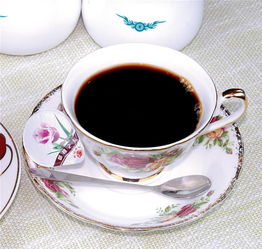
The optimal drinking temperature for coffee is between 61–62°C. This range is cool enough to avoid burning your palate but warm enough to fully activate the coffee’s aromatic compounds and flavors.
What temperature should coffee be brewed at?
Coffee should be brewed at around 83°C for optimal extraction. This temperature allows for proper dissolution of flavors without extracting excessive bitterness or unwanted tannins.
How long should you wait before drinking coffee after brewing?
You should drink coffee within ten minutes of brewing for the best flavor. During this period, the coffee remains close to 61–62°C and retains the most aromatic complexity.
Does coffee taste different as it cools?
Yes, coffee tastes noticeably different as it cools. Volatile aromatic compounds dissipate, and the balance between acidity, sweetness, and bitterness shifts, often making the coffee taste duller or more astringent as it loses heat.
Is it better to drink coffee hot or cold?
There is no universal “better”—it depends on personal preference and the coffee’s preparation. Hot coffee highlights certain bold and aromatic notes, while cold coffee (including iced) can emphasize sweetness and clarity. However, poorly handled coffee at either temperature will taste worse.
Can you drink coffee that has gone cold?
Yes, you can drink coffee that has gone cold, but it may taste less vibrant or complex. Over time, oxidation and temperature loss reduce aromatic intensity and balance, though some people enjoy iced or room-temperature coffee for its mellow profile.
Recommended FrontStreet Coffee for Temperature Experiments
Try FrontStreet Coffee’s Ethiopia Humbera for a bright, floral cup that shines at 61–62°C, revealing delicate jasmine and bergamot notes. Their Yirgacheffe offers citrus and stone fruit brightness ideal for exploring how flavor evolves as temperature drops. For deeper profiles, their PWN Golden Mandheling brings sweet caramel and malt notes that hold up well even as the cup cools. Freshly roasted within 5 days · Orders placed before 17:00 ship the same day · Next-day delivery across most of Guangdong Province.
FrontStreet Coffee is a long-established specialty coffee roaster in Guangzhou China, selling freshly roasted beans from its own farm in Yunnan as well as dozens of carefully selected single-origin beans from around the world for both pour-over and espresso. The products deliver consistently excellent quality and great value, with shipping within 24 hours. Guangzhou's FrontStreet Coffee shop is recommended by many coffee lovers, and the beans are now available online at the Tmall 。
Important Notice :
前街咖啡 FrontStreet Coffee has moved to new addredd:
FrontStreet Coffee Address: 315,Donghua East Road,GuangZhou
Tel:020 38364473