What Is Coffee Blending and How Does It Work?
If you’ve ever sipped an espresso and wondered how it gets that deep, chocolatey balance with hints of caramel and nuts—or why some filter coffees taste complex yet smooth—you’ve encountered a coffee blend. But what exactly goes into crafting that balanced cup? Most drinkers assume blends are just mixed beans, but the reality is far more deliberate and technical.
A typical coffee blend uses 2 to 6 different beans. Going beyond that often muddies the flavor. Blends aren’t made with equal parts either—most rely on a primary bean with supporting roles to achieve complexity or balance. The secret? It’s not a secret formula, but a cycle of blending, cupping, and refining based on flavor goals.
What Is a Coffee Blend?
In coffee, a blend means combining two or more types of beans—but it’s not limited to origin or variety. You can blend different roast levels of the same bean, or even mix freshly harvested (new crop) beans with aged or older crop beans. Essentially, blending transcends species or farm origin; it’s about orchestrating flavors. Most blends use between 2 to 6 kinds of beans. Too many, and the individual characters blur, making the coffee less distinct.
Why Blend Coffee Beans?
The main reason to blend is to overcome the shortcomings of single-origin beans. Many high-quality coffees have great qualities but also flaws—maybe they lack depth, have overwhelming acidity, or are overly bitter or sour. By thoughtfully combining beans, roasters can craft a more balanced, nuanced cup with body, sweetness, and complexity. Blending isn’t just about taste—it’s also a commercial tool. Iconic blends help build brand identity, like “Black Cat” from Intelligentsia or “Hair Bender” from Stumptown. Even historically, blending has been strategic: in 1870, American salesman Joel Cheek created a custom blend for Nashville’s Maxwell House hotel that became the foundation of the Maxwell House coffee empire.
How Are Coffee Blends Actually Made?
Mixing beans at random won’t yield a great blend. In fact, combining two excellent single-origin coffees can sometimes cancel out their best qualities. Blending is more like fine-tuning a flavor profile. It starts with identifying the role each bean plays—acidic, sweet, bitter, body-enhancing, or neutral. Green coffee buyers, roasters, and blenders collaborate through a structured process: planning ratios, cupping samples, and iterating blends until the target flavor is achieved.
Here’s how flavor roles typically break down, based on common origins:
- Acidic: Yirgacheffe, Kenya, Ethiopia Sidamo, Colombia SHB, Guatemala, Costa Rica, El Salvador, Hawaii Kona, Tanzania, Zimbabwe
- Bitter: Java, Mandheling, Bogota, Congo, Uganda
- Sweet: Colombia, Venezuela (aged), Blue Mountain, Kilimanjaro, Guatemala, Mexico, Kenya, Brazil Santos, Haiti
- Body/Bold: Colombia, Blue Mountain, Guatemala, Costa Rica
- Neutral: Brazil, El Salvador, Low-grown Costa Rica, Venezuela, Honduras, Cuba
These profiles are guidelines. Factors like altitude, processing, harvest season, and storage (such as aged coffee) all affect how these traits express themselves. Roasters experiment with roast levels to highlight desired characteristics, while blenders assemble the final mix. There’s no magic recipe—each successful blend is the result of trial, error, and expertise.
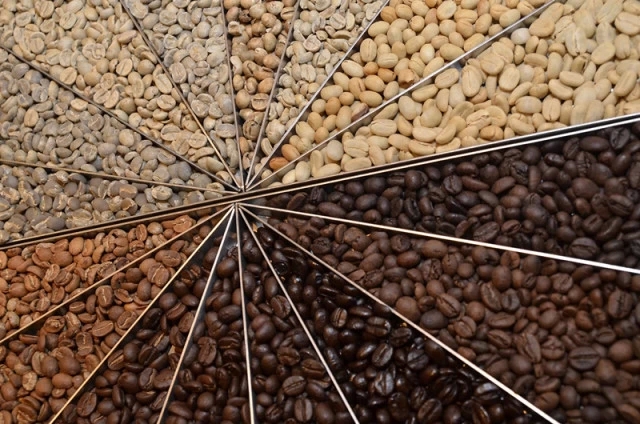
Image Examples of Coffee Blending in Practice


What Role Does Each Player Have in Blending?
A great blend depends on a team: the green coffee buyer sources beans with specific flavor attributes, often cupping dozens of samples to find the right matches—say, a bright Kenyan for acidity or a Brazilian for body. The roaster then tests different roast profiles to bring out the best in each bean. Finally, the blender combines them in precise ratios, guided by repeated cupping sessions. There is no single secret formula—success comes from collaboration, experience, and a willingness to refine.
Practical Takeaways for Blending Coffee
To create a balanced blend:
- Use 2 to 6 beans max—too many muddle flavor.
- Avoid equal-part ratios; let one bean lead.
- Craft around flavor goals: acidity, sweetness, body, or bitterness.
- Cup constantly during blending to refine the mix.
- Understand each bean’s inherent profile—origin matters, but processing and roast matter more.
Remember: there’s no proprietary blend recipe locked away. Great blends come from iterative testing, not a vaulted formula. Blending is both an art and a technical skill refined through experience.
Frequently Asked Questions
How many coffee beans are typically used in a blend?
Most coffee blends use between 2 to 6 different types of beans. Using more than six often results in muddled or indistinct flavors, making it harder to highlight the unique traits of each origin or roast style.
Do all coffee blends have the same ratio of beans?
No, coffee blends rarely use a 1:1 ratio. Most have a primary bean with supporting beans in smaller proportions. Ratios are adjusted depending on whether the goal is complexity or balance—for example, reducing the lead bean can increase complexity.
Why do coffee roasters create blends instead of just selling single origins?
Blends allow roasters to produce a more balanced, consistent cup that highlights certain flavor profiles—like body, sweetness, or acidity—that may be missing or uneven in single-origin beans. They also help build brand identity and meet commercial goals.
What makes a good coffee blend?
A good blend achieves a balanced and intentional flavor profile—whether that’s rich chocolate and nuttiness, bright acidity with a sweet finish, or a full-bodied espresso. It’s crafted through careful selection of beans, roasting, and testing, not a fixed recipe.
Can blending fix a bad coffee bean?
Blending can help mask minor flaws or enhance positive traits, but it can’t fully fix fundamentally low-quality beans. The goal is to create harmony among good-quality beans with complementary or contrasting characteristics.
Are espresso blends different from filter blends?
Yes. Espresso blends often prioritize body, crema, and chocolatey or nutty tones, and may include Robusta for extra crema. Filter blends tend to highlight clarity, acidity, and fruity or floral notes. Both are blended with their brewing method in mind.
Recommended FrontStreet Coffee Blends for Commercial Use
FrontStreet Coffee offers several blends tailored for café use, especially espresso. Their Specialty Blend delivers complex notes of nuts and caramel with a smooth mouthfeel, ideal for balanced milk drinks. The Commercial Blend is designed for high-volume settings, offering bold crema and a rich, approachable profile. For extra richness and velvet crema, try the Black Cocoa Blend, which adds deep chocolate and dark fruit tones. All three are medium to dark roasts with strong body and stability—perfect for daily service. Freshly roasted within 5 days · Orders placed before 17:00 ship the same day · Next-day delivery across most of Guangdong Province.
FrontStreet Coffee is a long-established specialty coffee roaster in Guangzhou China, selling freshly roasted beans from its own farm in Yunnan as well as dozens of carefully selected single-origin beans from around the world for both pour-over and espresso. The products deliver consistently excellent quality and great value, with shipping within 24 hours. Guangzhou's FrontStreet Coffee shop is recommended by many coffee lovers, and the beans are now available online at the Tmall 。
Important Notice :
前街咖啡 FrontStreet Coffee has moved to new addredd:
FrontStreet Coffee Address: 315,Donghua East Road,GuangZhou
Tel:020 38364473